
Scientists Discover How to 'Cut the Power' to Superbugs That Don't Respond to Antibiotics
Researchers found a breakthrough method to neutralize antibiotic-resistant bacteria by targeting their electron transport system, potentially revolutionizing treatment for chronic wounds that affect millions worldwide.
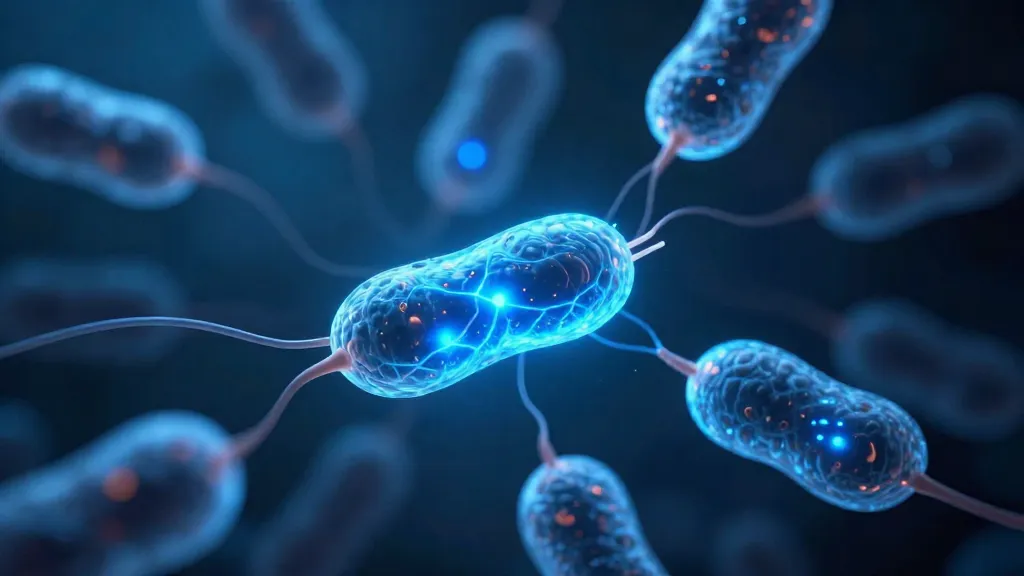
Imagine being trapped in a battle where your strongest weapons have become useless—that’s exactly what doctors face when treating chronic wounds infected with antibiotic-resistant bacteria. But now, scientists have found a brilliant new strategy: instead of attacking these superbugs head-on, they’re cutting off their power supply.
An international research team led by Nanyang Technological University, Singapore (NTU Singapore) has discovered a groundbreaking method to neutralize these stubborn bacteria by targeting something called extracellular electron transport—essentially the electrical system that keeps these microorganisms running. This approach could revolutionize treatment for millions of patients worldwide who suffer from chronic wounds that refuse to heal.
The Growing Threat of Superbugs
Antibiotic-resistant bacteria have become one of modern medicine’s most formidable challenges. These microscopic adversaries have evolved defenses against our most powerful drugs, turning what should be routine treatments into prolonged medical battles.
Chronic wounds, which affect millions of people globally, become particularly dangerous when infected with these resistant strains. Traditional antibiotics that once cleared infections quickly now often prove ineffective, leaving patients trapped in cycles of poor healing and mounting medical complications.
A Revolutionary Approach: Cutting the Power Lines
Rather than developing yet another antibiotic that bacteria might eventually resist, the NTU Singapore-led team took a completely different approach. They discovered how to disrupt the bacteria’s electron transport system—the cellular machinery that generates energy for these organisms to survive and thrive.
Think of it like cutting the power lines to an enemy fortress instead of trying to break down the walls. Without their energy source, even the most resistant bacteria become vulnerable and lose their ability to maintain infections.
What Makes This Discovery Special
The research team’s method specifically targets extracellular electron transport, a process that many antibiotic-resistant bacteria rely on for survival. By neutralizing this system, researchers found they could:
- Restore normal healing processes in infected chronic wounds
- Reduce dependence on traditional antibiotics that are losing effectiveness
- Potentially improve outcomes for patients who have run out of treatment options
Hope for Chronic Wound Patients
This breakthrough could be particularly transformative for people dealing with chronic wounds—injuries that fail to heal properly over extended periods. These conditions often become infected with resistant bacteria, creating a vicious cycle where poor healing creates ideal conditions for more infection.
Reports suggest that by disrupting the bacteria’s power source, the new method allows the body’s natural healing mechanisms to regain control. This represents a fundamental shift from trying to kill bacteria directly to simply disabling their ability to interfere with recovery.
What to Watch For
As this research progresses, several key developments will indicate its potential for real-world application:
- Clinical trial announcements and timelines for human testing
- Regulatory approval processes for new treatments based on this method
- Collaboration with pharmaceutical companies for development
- Results from expanded studies on different types of resistant bacteria
- Integration with existing wound care protocols
The Bigger Picture
This discovery represents more than just another scientific advancement—it’s a new paradigm in the fight against antibiotic resistance. Instead of engaging in an arms race where we develop new drugs and bacteria develop new defenses, scientists are finding ways to outmaneuver these organisms entirely.
The implications extend beyond chronic wounds. If successful, this approach could potentially be applied to other infections caused by resistant bacteria, offering hope across multiple areas of medicine where traditional antibiotics have lost their effectiveness.
Looking Ahead
While observers note that more research is needed before this method reaches patients, the initial findings offer genuine reason for optimism. The international scope of the research team also suggests strong scientific collaboration that could accelerate development and application.
For the millions of people currently struggling with chronic wounds and the healthcare providers treating them, this discovery represents something that’s been in short supply: hope that science can still outsmart even the most challenging medical problems. Sometimes the best way to win a battle isn’t to fight harder—it’s to fight smarter.