
Scientists Discover Natural Longevity Molecule That Restores Memory in Alzheimer's Models
Researchers have identified a natural metabolite found in long-lived people that successfully restored memory processes in Alzheimer's disease models. This breakthrough highlights aging biology as a promising new therapeutic target for dementia treatment.
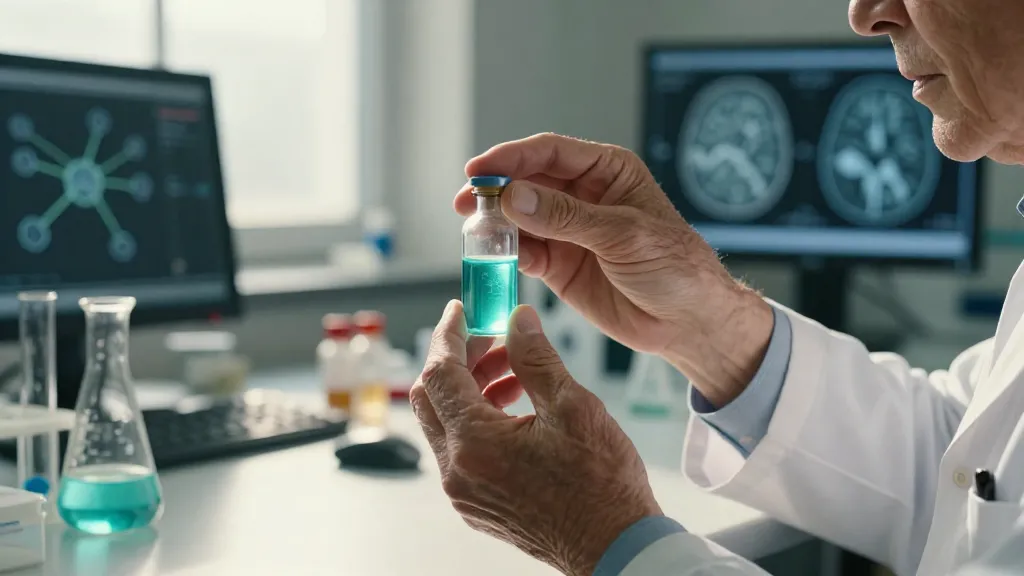
A molecule naturally found in people who live exceptionally long lives has shown remarkable promise in restoring memory function in laboratory models of Alzheimer’s disease. This groundbreaking discovery bridges two critical areas of medical research—longevity science and dementia treatment—potentially opening entirely new therapeutic pathways for millions facing cognitive decline.
The finding represents a significant shift in how researchers approach Alzheimer’s treatment, moving beyond traditional targets to explore the fundamental biology of aging itself. While the research remains in early experimental stages, the results suggest that compounds associated with healthy aging might hold keys to protecting and even restoring brain function.
The Longevity Connection
Scientists have long been fascinated by individuals who maintain sharp cognitive function well into their 90s and beyond. These exceptional cases have led researchers to investigate what biological factors might protect the brain from age-related decline.
The newly identified metabolite appears to be one such protective factor. Reports suggest this naturally occurring compound is found at higher levels in people with exceptional longevity, raising intriguing questions about whether it contributes to their cognitive resilience.
This discovery adds to growing evidence that the mechanisms underlying healthy aging and disease resistance may be more interconnected than previously understood.
Memory Restoration in Disease Models
In laboratory studies, researchers tested the longevity-linked molecule in Alzheimer’s disease models and observed significant improvements in memory processes. The compound appeared to restore key cognitive functions that had been impaired by the disease.
What the Research Showed
- Memory processes were successfully restored in Alzheimer’s models
- The molecule demonstrated protective effects on brain function
- Results highlight aging biology as a promising therapeutic target
- Findings suggest new approaches beyond conventional Alzheimer’s treatments
The restoration of memory function in these models represents a particularly encouraging outcome, as memory loss remains one of the most devastating aspects of Alzheimer’s disease for patients and families.
A New Therapeutic Frontier
This research opens compelling possibilities for dementia treatment by focusing on aging biology rather than solely targeting disease-specific pathways. The approach represents a fundamental shift in thinking about neurodegenerative diseases.
Traditional Alzheimer’s research has primarily focused on removing harmful protein plaques and tangles from the brain. While these approaches remain important, the new findings suggest that enhancing natural longevity mechanisms might offer an alternative or complementary strategy.
The fact that this molecule occurs naturally in long-lived individuals adds particular appeal to the discovery, potentially offering a more gentle approach to intervention compared to synthetic drugs.
The Broader Context
Singapore, noted for ranking among countries with the longest life expectancy, provides an interesting backdrop for longevity research. However, observers note that even in populations with exceptional lifespans, many people spend nearly a decade of their later years dealing with health challenges including cognitive decline.
This reality underscores the importance of not just extending lifespan, but ensuring those additional years are lived with maintained cognitive function and quality of life.
Important Limitations and Next Steps
While these results are encouraging, it’s crucial to understand that this research involved laboratory models rather than human trials. The path from promising laboratory findings to approved treatments typically requires years of additional research and clinical testing.
Key questions that remain include how the molecule works at the cellular level, whether it would be safe and effective in humans, and how it might be developed into a practical treatment approach.
Researchers will need to conduct extensive safety studies and clinical trials before any potential therapy could become available to patients. The timeline for such development typically spans many years and involves multiple phases of rigorous testing.
The discovery nonetheless represents an important step forward in understanding how aging biology might be harnessed to protect cognitive function, offering hope for new approaches to one of medicine’s most challenging problems.