
Scientists Discover Ovaries May Produce Hormones After Menopause—Here's What It Means
New research challenges decades of medical understanding about post-menopausal physiology, revealing ovaries may continue hormonal activity with surprising long-term health implications for millions of women.
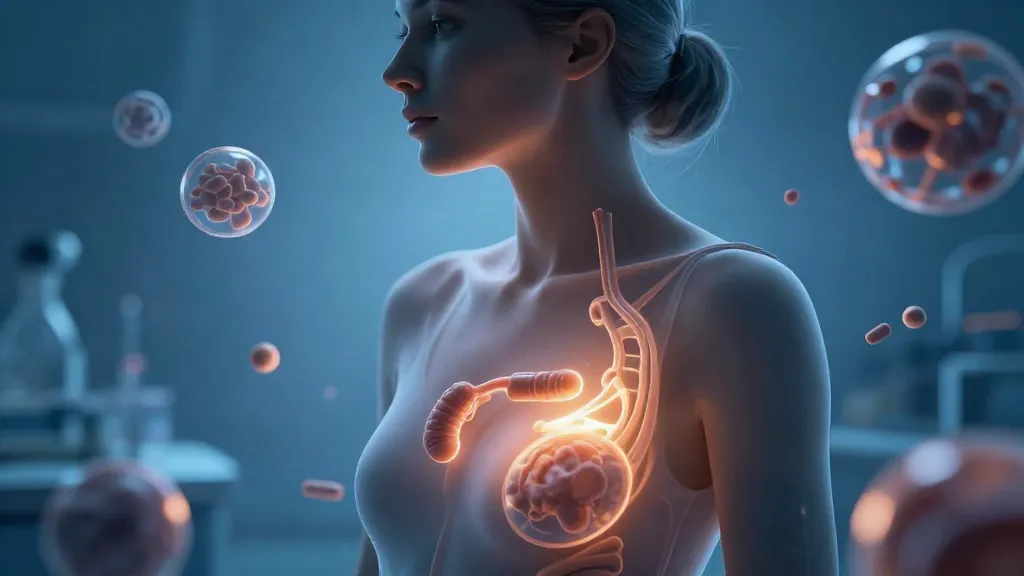
For decades, medical textbooks have taught us the same story: menopause marks the end of ovarian function. Once a woman’s periods stop, her ovaries essentially retire, producing virtually no hormones. Case closed. Except new research suggests that story may be incomplete—and the plot twist has serious implications for women’s health.
Scientists have discovered that ovaries may actually undergo a surprising change after menopause, one that contradicts our fundamental understanding of post-menopausal physiology. The finding challenges assumptions that have guided hormone therapy decisions, health monitoring, and treatment protocols for generations.
What the Research Found
Recent studies indicate that the reproductive system doesn’t simply shut down at menopause. Instead, ovaries appear to shift into a different mode—one that researchers describe as detrimental to women’s long-term health. This discovery overturns the conventional wisdom that post-menopausal ovaries become hormonally inert.
The exact mechanisms and long-term health implications are still being investigated, but the core finding is clear: menopause is more complex than we thought.
Why This Matters for Millions of Women
This isn’t an abstract scientific curiosity. Menopause affects hundreds of millions of women worldwide. If ovaries continue hormonal activity after menopause in ways we didn’t previously recognize, it could reshape how doctors approach:
- Hormone replacement therapy decisions
- Long-term health monitoring in aging women
- Treatment strategies for post-menopausal symptoms
- Understanding of age-related health risks
What to Watch For
As this research develops, keep an eye on:
- Peer-reviewed validation from endocrinology journals
- Guidance updates from women’s health organizations
- Clinical applications and new treatment approaches
- Long-term studies tracking post-menopausal health outcomes
The Bigger Picture
This discovery is part of a broader reckoning in medicine: how much of what we “know” about women’s bodies is actually incomplete rather than incorrect? For too long, women’s health research has taken a backseat to other areas. Findings like this one suggest there’s still fundamental biology we’re only beginning to understand.
The implications extend beyond hormone levels. If ovarian function persists in unexpected ways after menopause, it could influence everything from cardiovascular health to bone density to metabolic changes in aging women.
What Comes Next
The medical community will need to verify these findings through additional research and peer review. Women’s health organizations will likely begin reassessing current guidelines. And doctors may need to reconsider how they counsel women approaching or navigating menopause.
For now, the takeaway is this: menopause isn’t the simple off-switch we thought it was. And that realization opens up new questions—and new possibilities—for understanding and supporting women’s health through midlife and beyond.