
Scientists Discover Shingles Virus May Be Secretly Aging Your Brain Faster
New research reveals that shingles outbreaks may accelerate biological aging and increase dementia risk, sparking investigation into protective vaccines and treatments.
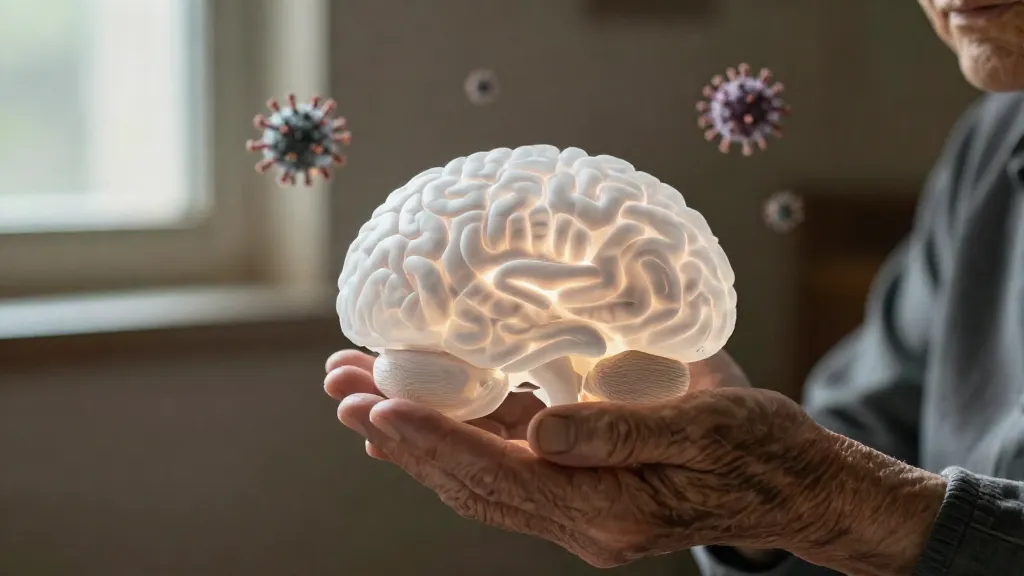
That painful, blistering rash that appears out of nowhere might be doing more than just making your skin miserable. New research is uncovering a disturbing connection between shingles outbreaks and accelerated aging, suggesting that the varicella-zoster virus lurking in your nervous system could be quietly speeding up the biological clock in ways scientists are only beginning to understand.
The Hidden Connection Between Shingles and Aging
Most people know shingles as that excruciating skin condition that strikes older adults, causing burning pain and unsightly blisters along nerve pathways. But emerging evidence suggests that each time this virus reactivates, it may be doing something far more sinister than causing temporary discomfort—it could be accelerating the aging process itself.
The varicella-zoster virus, which causes chickenpox in childhood and lies dormant in nerve cells afterward, doesn’t just wake up to cause skin problems. Scientists are discovering that these viral reactivations may be linked to increased dementia risk and faster biological aging, raising urgent questions about how we protect ourselves from this common but potentially devastating health threat.
What Makes This Virus So Dangerous
Unlike many infections that come and go, the varicella-zoster virus establishes permanent residence in your nervous system after that initial bout of chickenpox. It sits quietly in nerve ganglia, waiting for the right moment to strike again—typically when your immune system weakens with age, stress, or illness.
But here’s what researchers are finding troubling: each reactivation episode may leave lasting damage beyond the obvious skin symptoms. The virus appears to trigger inflammatory processes that could be accelerating cellular aging and contributing to cognitive decline.
Key Warning Signs to Watch For:
- Burning, tingling, or shooting pain along one side of the body
- Red rash that develops into fluid-filled blisters
- Fever, headache, or general malaise
- Sensitivity to light or touch in affected areas
The Brain Connection That Has Scientists Worried
The link between shingles and dementia risk represents one of the most concerning aspects of this research. While scientists are still working to understand the exact mechanisms involved, the connection appears strong enough to warrant serious investigation into protective measures.
Reports suggest that people who experience shingles outbreaks may face elevated risks of cognitive decline later in life. This finding has sparked intense interest in whether preventing viral reactivations could help preserve brain function as we age.
The Race for Protective Solutions
The potential connection between shingles and accelerated aging has researchers scrambling to test whether existing interventions could offer protection. Scientists are particularly interested in studying vaccines and antiviral medications as potential shields against both viral reactivation and its possible aging effects.
The shingles vaccine, already recommended for adults over 50, is receiving renewed attention as researchers investigate whether its protective effects extend beyond preventing painful outbreaks to potentially slowing aging processes.
What This Means for Your Health Strategy
While research into the aging connection continues, the implications are already shifting how health experts think about shingles prevention. Rather than viewing it as simply a painful but temporary condition, there’s growing recognition that preventing viral reactivations could be crucial for long-term health and cognitive preservation.
Antiviral treatments, typically used to reduce outbreak severity and duration, are also being examined for their potential to minimize any aging-related damage from viral reactivations.
Looking Ahead: The Prevention Imperative
As scientists work to unravel the complex relationship between viral reactivations and aging, one thing is becoming clear: prevention may be more important than previously understood. The possibility that a common virus could be secretly accelerating aging and increasing dementia risk adds new urgency to discussions about vaccination and early intervention strategies.
While researchers continue investigating the exact mechanisms behind these connections, the emerging evidence suggests that protecting yourself from shingles may be about much more than avoiding a painful rash—it could be about preserving your brain and slowing the aging process itself.
The race is now on to determine whether vaccines and antivirals can serve as powerful tools not just against viral outbreaks, but against accelerated aging and cognitive decline. For millions of people carrying this dormant virus, the stakes have never been higher.