
Scientists Discover Sleep Loss Physically Damages Brain Cells by Destroying Protective Coating
Italian researchers reveal that chronic sleep deprivation literally harms the fatty insulation protecting your neurons, directly compromising mental processing and cognitive function. Your brain cells are being damaged every night you skip sleep.
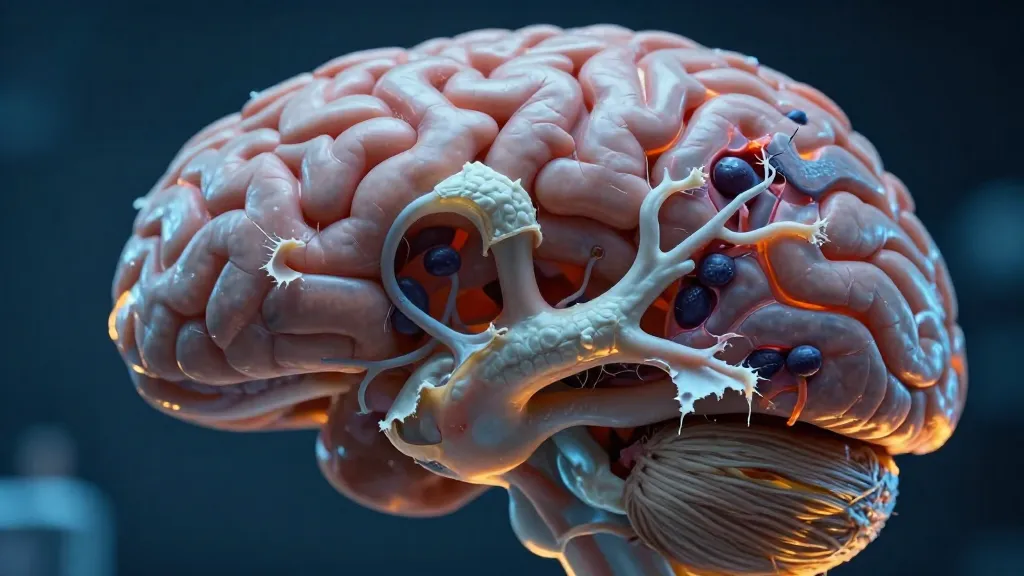
That splitting headache after a sleepless night isn’t just in your head—it’s your brain cells literally crying for help. New research from Italian scientists reveals that when you skimp on sleep, you’re not just feeling groggy the next day; you’re actually damaging the protective coating around your neurons, compromising your brain’s ability to function properly.
The Shocking Discovery That Changes Everything About Sleep
Researchers at the University of Camerino in Italy have uncovered something that should make every chronic insomniac pay attention. Their study reveals that sleep deprivation doesn’t just make you tired—it physically harms the myelin, the fatty insulation that wraps around your neurons like protective coating on electrical wires.
Think of myelin as your brain’s version of the rubber coating around electrical cables. When this protective layer gets damaged, the signals between your brain cells become compromised, directly affecting your mental processing and cognitive performance. It’s not just about feeling foggy anymore; it’s about actual structural damage to your brain.
What Exactly Happens to Your Brain When You Don’t Sleep
The fatty insulation protecting your neurons serves a crucial purpose. Just like the insulation around electrical wires prevents short circuits and ensures smooth power transmission, myelin ensures that nerve impulses travel efficiently between brain cells. When sleep loss damages this protective coating, your brain’s communication network starts to break down.
This isn’t some abstract concept that might affect you someday—this is happening in real-time every night you choose Netflix over sleep. Your neurons are losing their protective armor, making them vulnerable and less efficient at the very job that keeps your mind sharp.
The Red Flags Your Brain Is Sending
When myelin damage occurs, your brain tries to tell you something’s wrong. Watch for these warning signs:
- Difficulty concentrating even on simple tasks
- Memory problems that seem to worsen over time
- Slower mental processing than usual
- Increased mental fatigue throughout the day
- Trouble making decisions that used to come easily
Why This Research Changes the Sleep Conversation
Previous studies have shown correlations between poor sleep and cognitive decline, but this Italian research provides concrete evidence of the physical mechanism behind the damage. It’s no longer just about feeling tired or having a bad day—it’s about preventing literal brain damage.
The implications are staggering. Every all-nighter, every night spent scrolling social media until 3 AM, every period of chronic sleep deprivation could be contributing to measurable harm to your brain’s infrastructure. This isn’t reversible damage we’re talking about, but actual physical changes to the protective systems your neurons depend on.
The Science Behind Your Brain’s Protective System
Myelin isn’t just any ordinary brain tissue—it’s specialized fatty material that can take years to fully develop and maintain. When this protective coating gets compromised, the effects ripple through your entire cognitive system. Mental processing slows down, memory formation becomes less efficient, and your brain has to work harder to accomplish the same tasks.
The University of Camerino researchers have provided the first direct evidence that sleep loss specifically targets this crucial protective system, making their findings particularly significant for anyone who regularly sacrifices sleep for work, entertainment, or other activities.
What This Means for Your Daily Life
This research transforms sleep from a luxury into a non-negotiable health requirement. Every hour of sleep you skip isn’t just borrowing against tomorrow’s energy—you’re potentially damaging the very infrastructure your brain depends on to function properly.
The study suggests that protecting your sleep schedule isn’t just about feeling better the next day; it’s about preserving your brain’s long-term ability to process information, form memories, and maintain cognitive sharpness as you age.
While researchers continue to investigate the full implications of these findings, one thing is clear: your brain cells are counting on you to prioritize sleep, and the consequences of ignoring their needs are more serious than anyone previously imagined.