
Scientists Discover the Cellular 'Switch' That Makes You Age Faster—And It's Fixable
Researchers have identified how a malfunctioning DNA repair mechanism accelerates aging at the cellular level, potentially opening new pathways for longevity treatments. This breakthrough could revolutionize how we understand and combat the aging process.
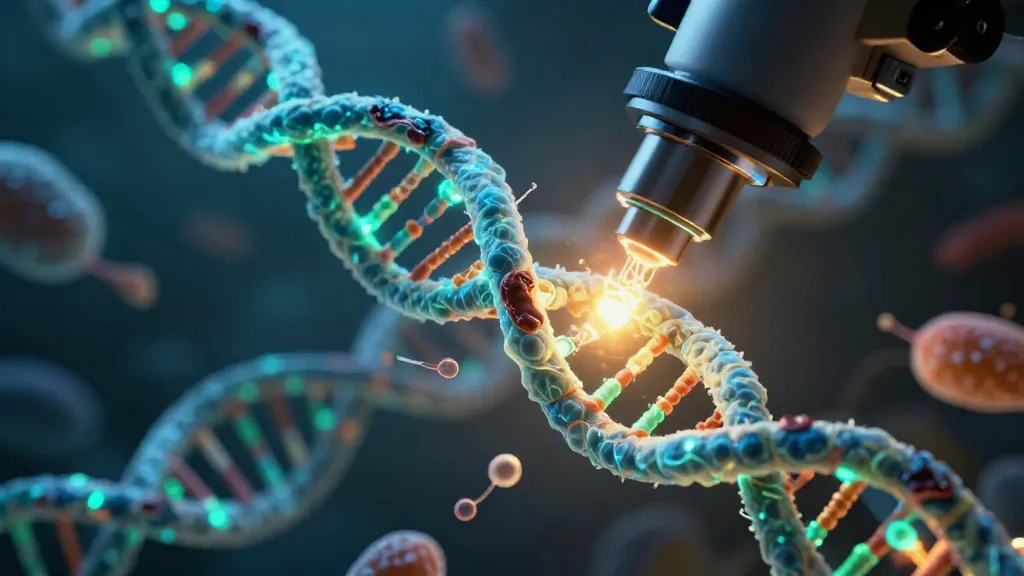
The secret to why some people age faster than others might have just been unlocked in the most unexpected place: a tiny molecular machine inside every cell in your body. Scientists have discovered that when this crucial DNA repair mechanism breaks down, it doesn’t just fail to fix damage—it actively accelerates the aging process at the cellular level.
This groundbreaking research reveals how our cells’ built-in protection system can turn against us, transforming from a shield into a catalyst for aging. The implications are staggering: if we can understand and fix this cellular “switch,” we might finally have a real weapon in the fight against aging.
The DNA Repair Army Under Attack
Your DNA faces a relentless assault every single day. Normal metabolic processes—the very act of being alive—constantly threaten the genetic code that keeps your cells functioning. Add external stressors like radiation and chemical substances, and it’s remarkable that our cells survive at all.
Fortunately, evolution equipped us with an elaborate network of DNA repair tools. These molecular machines work around the clock, scanning for damage and fixing it before it can cause problems. Think of them as a highly trained maintenance crew, constantly patrolling and repairing the most important infrastructure in your body.
But what happens when the maintenance crew itself becomes the problem?
When Protectors Become Destroyers
The recent research reveals a disturbing truth: when DNA repair mechanisms malfunction, they don’t simply stop working. Instead, they actively contribute to cellular aging, creating a cascade of damage that speeds up the aging process throughout the body.
This discovery fundamentally changes how scientists understand aging. Rather than viewing it as a simple accumulation of damage over time, researchers now see aging as potentially driven by the very systems designed to prevent it.
The broken repair tools create a vicious cycle. As they fail to fix existing damage and potentially cause additional harm, cells begin to deteriorate more rapidly. This cellular breakdown manifests as the visible and invisible signs of aging we all experience.
The Fixable Factor
Perhaps the most exciting aspect of this discovery is what it means for the future of longevity treatments. Unlike genetic factors we can’t change, these DNA repair mechanisms represent a potentially modifiable target for intervention.
Researchers suggest this finding could lead to entirely new approaches to combating aging:
- Targeted therapies to restore proper DNA repair function
- Preventive treatments to maintain repair mechanisms before they break down
- Diagnostic tools to identify when repair systems are beginning to fail
- Personalized interventions based on individual repair system status
What This Means for You
While practical applications of this research are still in development, the discovery offers something precious in the realm of aging science: concrete hope. For the first time, scientists have identified a specific, potentially fixable mechanism that directly controls how fast we age at the cellular level.
This isn’t about finding a fountain of youth or promising eternal life. Instead, it’s about understanding aging as a process that might be slowed, controlled, or even partially reversed through targeted interventions.
The Road Ahead
The research opens up fascinating questions about aging that scientists are now racing to answer. How exactly do these repair mechanisms break down? Can we predict when they’ll fail? Most importantly, can we develop treatments to fix them before significant damage occurs?
Observers note that this discovery could revolutionize not just our understanding of aging, but our entire approach to age-related diseases. If cellular aging can be slowed or controlled, it might impact everything from cancer risk to neurodegeneration.
While we wait for these potential treatments to move from laboratory to clinic, this research offers something equally valuable: a new way to think about aging not as an inevitable decline, but as a process we’re finally beginning to understand—and potentially control.
The cellular switch that makes you age faster has been found. Now the real work begins: learning how to flip it back.