
Scientists Discover the Genetic Secret to Living Past 100 Hidden in Ice Age DNA
Groundbreaking DNA analysis of Ice Age hunter-gatherers reveals genetic markers that explain why some people become centenarians. The ancient genetic secrets could unlock the mystery of extreme human longevity.
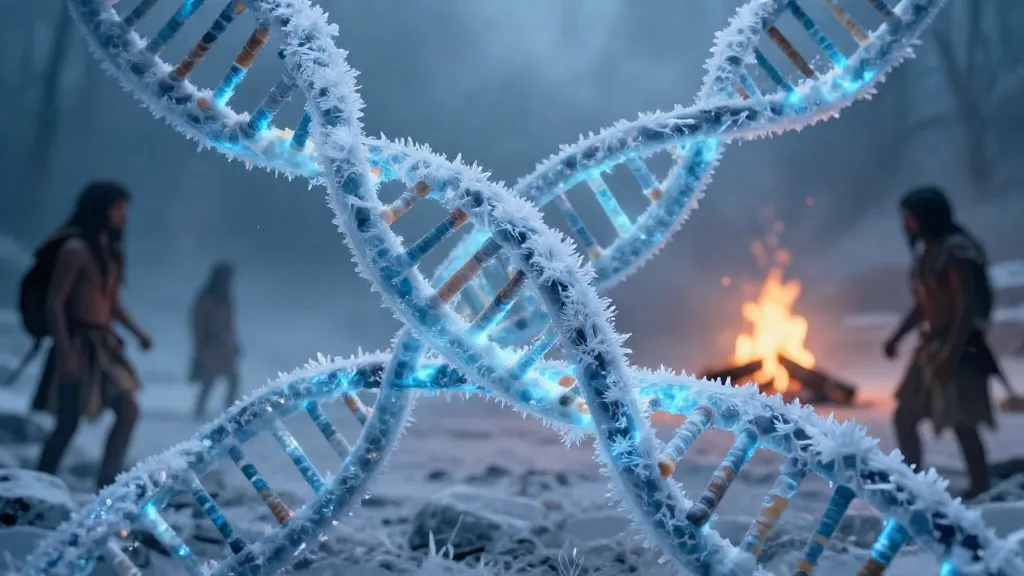
The secret to living past 100 might be written in your DNA—and scientists have just traced it back 20,000 years to our Ice Age ancestors. In a groundbreaking study that bridges ancient archaeology with cutting-edge genetics, researchers have discovered that the genetic keys to extreme longevity may have been forged during humanity’s most challenging era.
Ancient Hunters Hold Modern Secrets
Scientists analyzing DNA from Ice Age hunter-gatherer populations across Europe have uncovered remarkable genetic markers that appear to be linked to super-ager longevity in modern humans. This research represents a fascinating intersection of paleogenomics and gerontology, suggesting that the traits allowing some people to reach 100 years and beyond may have evolutionary roots stretching back to our prehistoric past.
The study focuses on genetic material extracted from ancient European populations who lived during the last Ice Age—a period when survival required extraordinary resilience and adaptability. These hunter-gatherer societies faced extreme environmental challenges, from harsh climates to scarce resources, conditions that may have naturally selected for genetic variants promoting longevity and robust health.
The Centenarian Connection
Reports suggest that specific genetic markers identified in these ancient populations show striking similarities to DNA patterns found in modern centenarians—those rare individuals who live to 100 or beyond. While the exact mechanisms remain under investigation, the research indicates that certain genetic variants may have been preserved and passed down through thousands of generations.
What Researchers Are Looking For
The study appears to focus on several key genetic indicators:
- DNA variants linked to cellular repair mechanisms
- Genetic markers associated with disease resistance
- Ancient mutations that may protect against age-related decline
- Evolutionary adaptations to environmental stress
This discovery could help explain why longevity seems to run in families and why some populations have higher rates of centenarians than others. The genetic lottery that determines lifespan may have been shaped by the survival pressures our ancestors faced during one of humanity’s most challenging periods.
Bridging Past and Present
The implications of this research extend far beyond academic curiosity. By understanding which genetic factors contributed to survival and longevity in our ancient ancestors, scientists may be able to better identify individuals at risk for age-related diseases or those with genetic advantages for healthy aging.
However, observers note that genetics represents only part of the longevity equation. Environmental factors, lifestyle choices, and access to healthcare continue to play crucial roles in determining lifespan. The Ice Age genetic markers may provide a foundation for longevity, but they don’t guarantee a ticket to 100.
The Future of Longevity Research
This breakthrough opens new avenues for understanding human aging and could influence everything from personalized medicine to public health strategies. As researchers continue to decode the genetic legacy left by our Ice Age ancestors, we may be on the verge of unlocking secrets that could help more people join the exclusive centenarian club.
The study represents a remarkable example of how looking backward in time can illuminate our future, proving that sometimes the oldest secrets hold the newest answers to humanity’s greatest challenges.