
Scientists Discover Why Some People Get Drunk Just From Eating Food
The largest study of its kind reveals that bacteria, not fungi, cause auto-brewery syndrome—a rare condition where people become intoxicated from food alone. Scientists have finally cracked the mystery behind this bizarre medical phenomenon.
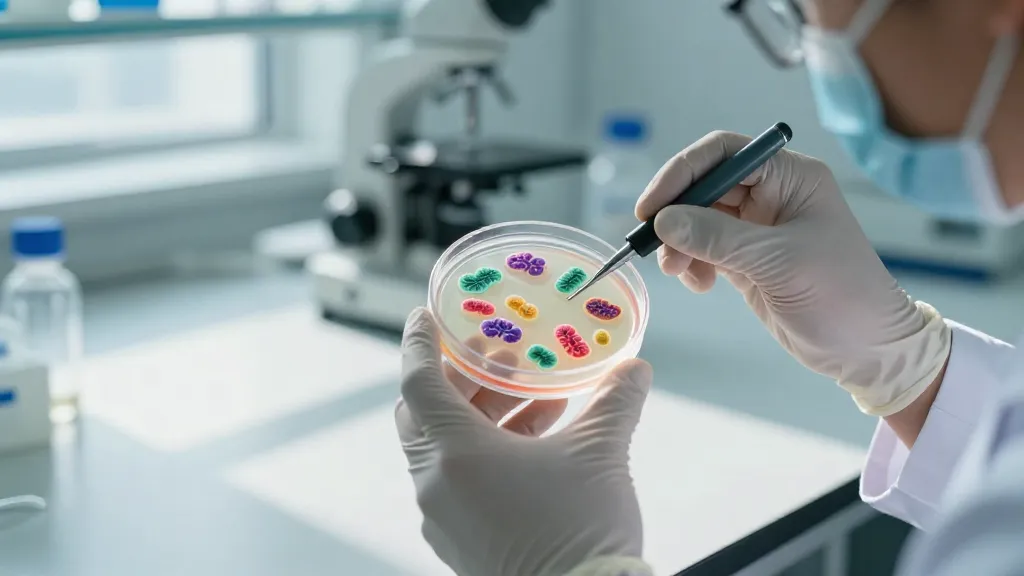
Imagine finishing a normal meal and suddenly feeling dizzy, confused, and intoxicated—without having touched a drop of alcohol. For people with auto-brewery syndrome, this nightmare scenario is a daily reality. Now, the largest study of its kind has finally revealed the surprising culprit behind this bizarre medical condition.
The Mystery That Stumped Doctors for Decades
Auto-brewery syndrome, also known as gut fermentation syndrome, transforms the human digestive system into a literal brewery. Patients report feeling drunk, experiencing slurred speech, and showing elevated blood alcohol levels after eating ordinary foods—particularly those high in carbohydrates. For years, the medical community struggled to understand exactly what was happening inside these patients’ bodies.
The condition is so rare and unusual that many doctors initially dismissed patients’ claims, often attributing their symptoms to secret drinking. This skepticism left countless sufferers without proper diagnosis or treatment, sometimes for years.
Bacteria Takes Center Stage
The groundbreaking research has overturned a long-held assumption about what causes this condition. Scientists have confirmed that bacteria, not fungi as previously believed, are the primary drivers of auto-brewery syndrome.
This discovery represents a major shift in understanding. Previous research had focused heavily on fungal overgrowth in the gut as the main cause, leading to treatment approaches that may not have been targeting the right microorganisms.
How Your Gut Becomes a Brewery
The process works like this: certain bacteria in the digestive system begin producing ethanol when they encounter carbohydrates from food. Instead of normal digestion, these microorganisms essentially ferment the food, creating alcohol that gets absorbed into the bloodstream.
Key characteristics of auto-brewery syndrome include:
- Sudden intoxication after eating carbohydrate-rich foods
- Elevated blood alcohol levels without alcohol consumption
- Symptoms that can include dizziness, confusion, and behavioral changes
- Often misdiagnosed or dismissed by healthcare providers
Why This Changes Everything for Treatment
Understanding that bacteria are the main culprits opens up new possibilities for treatment. While antifungal medications have been the go-to approach, this research suggests that targeting bacterial overgrowth might be more effective.
The implications extend beyond just medication choices. Dietary modifications, probiotics, and other interventions aimed at rebalancing gut bacteria could become central to managing the condition.
The Road to Recognition
This research represents the largest study of its kind, lending significant weight to the findings. The confirmation that bacteria drive auto-brewery syndrome could help legitimize the condition in medical circles where it has sometimes been met with skepticism.
For patients who have struggled to get their symptoms taken seriously, this scientific validation could be life-changing. It provides concrete evidence that their experiences are real and rooted in measurable biological processes.
What This Means for the Future
While auto-brewery syndrome remains rare, this breakthrough could lead to better diagnostic tools and more targeted treatments. The research also highlights the complex role that gut bacteria play in human health—a field that continues to reveal surprising connections between microorganisms and medical conditions.
As scientists continue to unravel the mysteries of the human microbiome, discoveries like this remind us that our bodies harbor ecosystems capable of producing effects we’re only beginning to understand. For those living with auto-brewery syndrome, this research offers hope for better recognition, understanding, and ultimately, more effective treatment of their unusual condition.