
Scientists Finally Discover Why Exercise Keeps Your Brain Young—The Answer Will Surprise You
UC San Francisco researchers have cracked the code on why exercise protects against cognitive decline, revealing a powerful mechanism that strengthens your brain's natural defense system as you age.
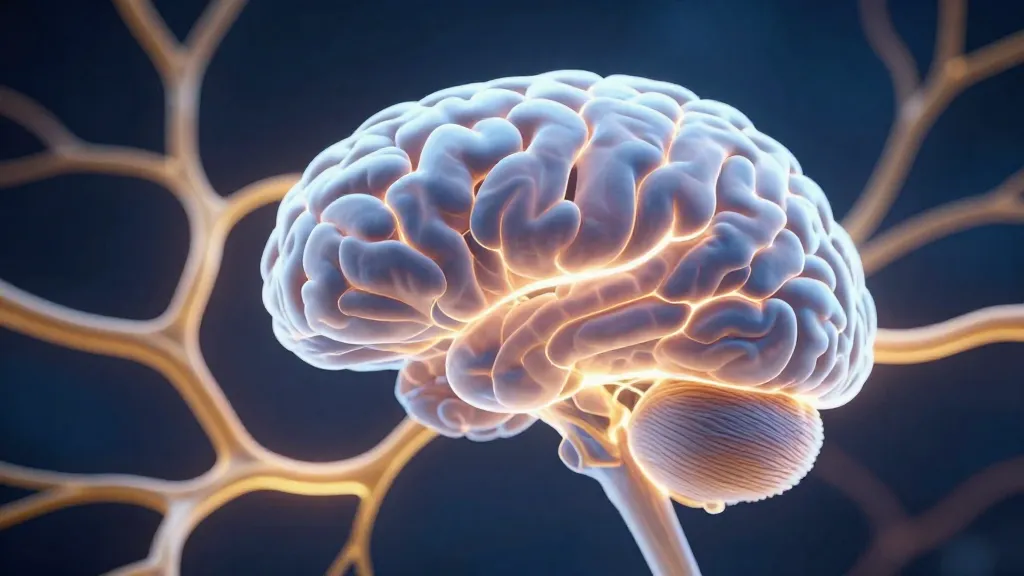
For decades, we’ve known that exercise is like a fountain of youth for the brain, but the “why” has remained frustratingly elusive. Now, groundbreaking research from UC San Francisco has finally cracked the code, revealing a surprisingly concrete mechanism that explains how physical activity literally fortifies your brain against the ravages of time.
The discovery centers on something called the blood-brain barrier—a sophisticated network of blood vessels that acts as your brain’s personal security system, keeping harmful substances out while allowing essential nutrients in. Think of it as an elite bouncer at the most exclusive club in your body.
The Barrier That Keeps Your Brain Safe
The blood-brain barrier is one of your body’s most crucial defense mechanisms, yet most people have never heard of it. This microscopic fortress surrounds every blood vessel in your brain, creating an impenetrable wall that protects your neural tissue from toxins, pathogens, and other harmful compounds circulating in your bloodstream.
When this barrier is functioning properly, your brain operates in a pristine environment. But here’s where the story gets concerning: as we age, this protective wall naturally begins to break down, becoming increasingly leaky and compromised.
What Happens When the Fortress Crumbles
Reports suggest that this age-related deterioration of the blood-brain barrier plays a significant role in cognitive decline. When the barrier becomes leaky, harmful compounds that should never reach your brain tissue suddenly gain access, potentially contributing to the neurological changes we associate with aging.
The UC San Francisco researchers discovered that this breakdown isn’t just a passive consequence of getting older—it’s an active process that can be influenced by our lifestyle choices, particularly exercise.
Key warning signs to watch for:
- Memory lapses becoming more frequent
- Difficulty concentrating on complex tasks
- Slower processing of new information
- Increased mental fatigue
The Exercise Connection Finally Revealed
The breakthrough came when scientists observed how physical activity directly impacts the integrity of the blood-brain barrier. Rather than simply improving circulation or releasing beneficial chemicals, exercise appears to actively strengthen and repair this crucial protective network.
This mechanism provides the first concrete explanation for why countless studies have shown exercise to be one of the most powerful tools for maintaining cognitive function as we age. It’s not just correlation anymore—there’s now a clear biological pathway showing how movement translates into brain protection.
Why This Changes Everything We Know About Brain Health
Understanding this mechanism transforms exercise from a general health recommendation into a targeted intervention for brain preservation. The research suggests that when you engage in physical activity, you’re not just building muscle or improving cardiovascular health—you’re actively reinforcing your brain’s primary defense system.
Observers note that this discovery could reshape how we approach cognitive health in aging populations. Instead of waiting for problems to develop, we now have scientific evidence supporting exercise as a preventive measure that works at the most fundamental level of brain protection.
The Bigger Picture for Healthy Aging
This breakthrough represents more than just another study showing exercise is good for you. It provides the missing piece of the puzzle that explains why physical activity has such profound effects on cognitive function, memory, and overall brain health.
The implications extend beyond individual health choices to potentially influence how we design exercise programs for older adults, develop treatments for age-related cognitive decline, and understand the fundamental relationship between physical and mental wellness.
While researchers continue to study the long-term implications of this newly discovered mechanism, one thing is clear: the connection between exercise and brain health is more direct and powerful than we ever imagined. Your daily workout isn’t just keeping your body strong—it’s literally building a fortress around your most precious organ.