
Scientists Finally Solve the Mystery of People Who Get Drunk From Eating Bread
The largest study of its kind reveals that gut bacteria, not fungi, are brewing alcohol inside people with auto-brewery syndrome. Your digestive system might be a secret distillery.
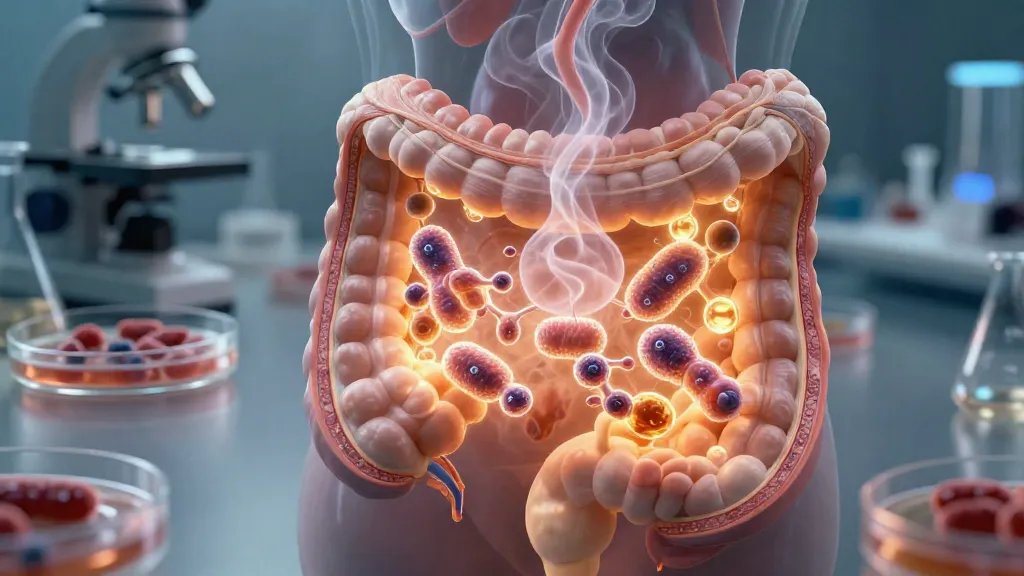
Imagine sitting down for a simple meal of pasta or a sandwich, only to find yourself stumbling around your kitchen an hour later, slurring your words and feeling dizzy—all without touching a drop of alcohol. For people with auto-brewery syndrome, this nightmare scenario is a bewildering reality that has puzzled doctors and patients alike for decades.
Now, the largest study of its kind has finally cracked the code on this bizarre medical mystery, revealing that your digestive system can literally become a secret distillery, fermenting the carbohydrates you eat into alcohol. The culprit? Not the fungi that scientists long suspected, but bacteria lurking in your gut.
The Body’s Secret Brewery
Auto-brewery syndrome, also known as gut fermentation syndrome, transforms ordinary meals into intoxicating experiences. When people with this rare condition eat carbohydrate-rich foods like bread, pasta, or even fruit, microorganisms in their digestive system ferment these sugars into ethanol—the same alcohol found in beer and wine.
The condition can produce blood alcohol levels high enough to cause genuine intoxication, complete with slurred speech, loss of coordination, and impaired judgment. For those affected, a simple dinner can result in symptoms that mirror heavy drinking, often leading to confusion, misdiagnosis, and even legal troubles when authorities don’t believe their claims of sobriety.
Bacteria Take the Spotlight
The breakthrough study has overturned long-held assumptions about what causes this internal fermentation. While medical professionals previously pointed to fungi as the primary culprits behind auto-brewery syndrome, this comprehensive research definitively shows that bacteria are the main drivers of the condition.
This finding represents a significant shift in understanding that could revolutionize treatment approaches. Unlike fungal infections, which are typically treated with antifungal medications, bacterial overgrowth requires different therapeutic strategies, potentially offering new hope for people who have struggled with ineffective treatments.
What Makes Some People Vulnerable
Researchers note that auto-brewery syndrome appears to develop when the delicate ecosystem of gut microorganisms becomes severely imbalanced. Several factors may contribute to this disruption:
- Prolonged antibiotic use that wipes out beneficial bacteria
- Compromised immune systems
- Certain gastrointestinal conditions
- Genetic predispositions that affect gut bacteria composition
The condition remains extremely rare, but experts suggest it may be underdiagnosed due to skepticism from medical professionals and the stigma surrounding alcohol-related symptoms.
Beyond the Bizarre: Real Medical Impact
While auto-brewery syndrome might sound like something from a medical comedy, the condition has serious implications for those affected. People with the syndrome often struggle with chronic fatigue, brain fog, and digestive issues even when not actively experiencing intoxication symptoms.
The social and professional consequences can be devastating. Some patients report losing jobs, facing DUI charges, or experiencing relationship problems as friends and family struggle to understand how someone can become drunk without drinking.
A New Path Forward
This landmark study’s identification of bacteria as the primary cause opens exciting possibilities for more targeted and effective treatments. Understanding the specific bacterial species involved could lead to precision therapies that restore healthy gut balance without the trial-and-error approach that has characterized treatment until now.
The research also highlights the incredible complexity of our internal microbiome and its profound impact on our health. As scientists continue to unravel the mysteries of gut bacteria, discoveries like this remind us that our bodies still hold secrets waiting to be unlocked.
For the small number of people living with auto-brewery syndrome, this scientific breakthrough offers something invaluable: validation that their condition is real, measurable, and—most importantly—treatable through evidence-based medicine rather than guesswork.