
Scientists Find Bacteria in Your Eye That Could Be Linked to Alzheimer's Disease
Researchers discovered a common respiratory bacterium in the retina that appears connected to cognitive decline and Alzheimer's progression. This surprising finding could open new pathways for understanding neurodegenerative diseases.
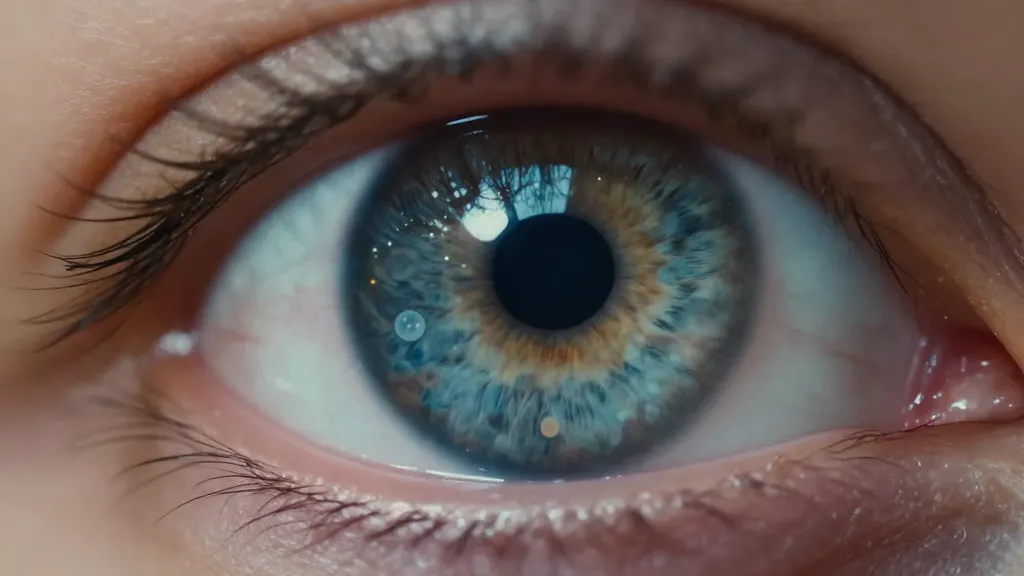
A surprising discovery lurking at the back of your eye could reshape how we understand Alzheimer’s disease. Scientists have identified a common respiratory bacterium in the retina that appears to correlate with cognitive decline and the progression of this devastating neurodegenerative condition. This unexpected connection between eye health and brain function is opening entirely new avenues for research into one of medicine’s most challenging puzzles.
The Unexpected Eye-Brain Connection
The human body’s interconnected systems continue to surprise researchers, and this latest finding exemplifies just how much we still have to learn. The bacterium in question is typically found in the respiratory system, making its presence in the retina—the light-sensitive tissue at the back of the eye—particularly intriguing.
Reports suggest that when this microorganism appears in retinal tissue, it correlates with markers of cognitive decline and Alzheimer’s disease severity. This discovery challenges traditional thinking about how neurodegenerative diseases develop and progress.
What Makes This Finding Significant
The retina has long been considered a window into brain health, sharing developmental origins and structural similarities with brain tissue. However, the role of bacteria in this relationship represents uncharted territory for researchers.
Key aspects of this research include:
- Detection of respiratory bacteria in retinal tissue of patients with cognitive decline
- Correlation between bacterial presence and Alzheimer’s disease progression
- Potential implications for understanding neurodegeneration pathways
- New questions about the role of microorganisms in brain health
Implications for Alzheimer’s Research
This bacterial connection could provide researchers with a new lens through which to examine Alzheimer’s disease. The finding suggests that the relationship between microorganisms and neurodegeneration may be more complex than previously understood.
Observers note that this discovery doesn’t establish a direct causal relationship—correlation and causation remain distinct concepts in scientific research. However, it does raise important questions about how infections or bacterial presence might influence brain health over time.
What This Means for Future Research
The identification of this bacterial presence opens several potential research directions. Scientists may now investigate whether the bacteria contribute to disease progression, arrive as a consequence of existing neurodegeneration, or represent an entirely different relationship altogether.
Understanding the mechanism behind this connection could potentially lead to new diagnostic approaches or therapeutic targets. However, researchers emphasize that this work represents early-stage findings that require extensive further study.
The Bigger Picture
This discovery highlights the interconnected nature of human health systems and reminds us that breakthrough insights often come from unexpected places. The eye-brain connection has already proven valuable in detecting various neurological conditions, and this bacterial finding adds another layer to that relationship.
As research continues, scientists will likely explore how this bacterial presence might be detected, monitored, or potentially addressed. The work underscores the importance of interdisciplinary approaches to understanding complex diseases like Alzheimer’s.
While much remains unknown about this bacterial connection, the discovery represents exactly the kind of unexpected finding that can redirect scientific inquiry toward new possibilities. For the millions affected by Alzheimer’s disease and their families, any new avenue of research offers hope for better understanding and eventual therapeutic breakthroughs.