
Scientists Map Exactly What Alcohol Does to Your Brain—And It's More Fragmented Than Anyone Thought
New brain imaging reveals how alcohol disrupts long-distance neural communication, shifting brain activity into isolated clusters that correlate with feelings of intoxication. The findings provide the first detailed map of alcohol's fragmenting effects on neural networks.
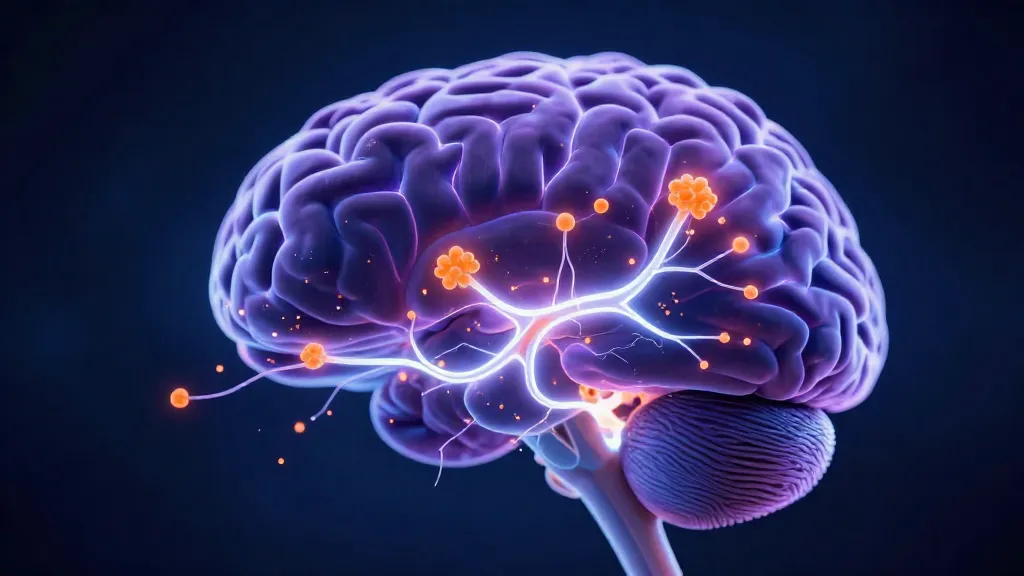
Ever wondered what’s actually happening inside your brain when you feel tipsy? Scientists have finally cracked the code, and the results are more dramatic than anyone expected. Using cutting-edge brain imaging technology, researchers have discovered that alcohol doesn’t just slow you down—it literally fragments your brain’s communication networks, turning your normally well-connected neural highways into isolated islands of activity.
The Brain’s Communication Breakdown
When you take a drink, something remarkable and concerning happens in your head. New imaging research reveals that alcohol systematically disrupts the long-distance communication pathways that normally keep different brain regions talking to each other smoothly.
Think of your sober brain as a bustling metropolitan area with efficient highways connecting different neighborhoods. Alcohol acts like a series of roadblocks, forcing traffic to take local detours and preventing the smooth flow of information across the entire network.
From Global Network to Isolated Clusters
The study shows that as alcohol takes effect, brain activity shifts from its normal, globally connected state into what researchers describe as fragmented, localized clusters. Instead of different brain regions working together in harmony, they become increasingly isolated from one another.
This fragmentation isn’t random—it follows a predictable pattern that directly correlates with how intoxicated someone feels. The more fragmented the brain networks become, the more pronounced the subjective feelings of intoxication.
What This Means for Your Experience
The fragmentation effect helps explain many familiar aspects of being under the influence:
- Impaired decision-making: Critical brain regions can’t communicate effectively
- Coordination problems: Motor control areas become disconnected from planning centers
- Memory gaps: Information processing networks fail to work together
- Altered perception: Sensory processing becomes isolated from context and judgment
The Intoxication-Fragmentation Connection
Perhaps most significantly, researchers found a direct relationship between the degree of neural fragmentation and subjective feelings of intoxication. This suggests that what we experience as “being drunk” is actually our conscious awareness of our brain’s communication systems falling apart.
Revolutionary Imaging Technology
This breakthrough was made possible by advanced brain imaging techniques that can track neural activity in real-time. The technology allows scientists to observe how different brain regions communicate with each other and how those communication patterns change under the influence of alcohol.
The imaging reveals that alcohol’s effects aren’t uniform across the brain. Some regions become more isolated than others, creating a patchwork of disconnected neural activity that varies from person to person.
Beyond Just “Slowing Down”
For decades, scientists understood that alcohol was a depressant that generally slowed brain activity. But this new research shows the picture is far more complex and specific. Rather than simply putting the brakes on neural activity, alcohol appears to selectively target the long-distance connections that allow different brain regions to coordinate with each other.
The Fragmentation Process
Reports suggest the fragmentation happens gradually as blood alcohol levels rise. The brain doesn’t suddenly switch from connected to disconnected—instead, it progressively loses its ability to maintain long-distance neural conversations while local activity within individual brain regions may actually increase.
What Researchers Are Watching For
Scientists are now focusing on several key areas for future investigation:
- How quickly fragmentation reverses as alcohol leaves the system
- Whether chronic drinking causes permanent changes to neural connectivity
- Individual differences in fragmentation patterns
- Potential therapeutic applications for understanding brain connectivity disorders
The Bigger Picture
This research represents more than just academic curiosity about alcohol’s effects. Understanding exactly how substances disrupt brain connectivity could lead to better treatments for addiction, improved strategies for harm reduction, and deeper insights into how the brain maintains consciousness and coordination.
The findings also raise intriguing questions about other substances and their effects on neural networks. If alcohol fragments brain connectivity in such a specific way, what might other drugs do to these same communication pathways?
A New Understanding of an Ancient Experience
While humans have been consuming alcohol for thousands of years, we’re only now beginning to understand the precise mechanisms behind its effects on consciousness. The image of the brain fragmenting into isolated clusters provides a vivid and scientifically grounded explanation for something billions of people have experienced but never fully understood.
This research transforms our understanding of intoxication from a vague concept of “impairment” to a specific, measurable disruption of the brain’s fundamental communication networks. As imaging technology continues to advance, we may soon have even more detailed maps of how alcohol and other substances reshape the landscape of human consciousness.
The next time you feel that familiar loosening of inhibitions or coordination, you’ll know exactly what’s happening: your brain’s highways are closing down, one connection at a time.