
Scientists Overturn Decades of Migraine Theory: What Really Triggers Your Headaches
New research is fundamentally shifting our understanding of migraines, revealing that everything we thought we knew about triggers and symptoms might be wrong. The breakthrough could revolutionize treatment for millions of sufferers.
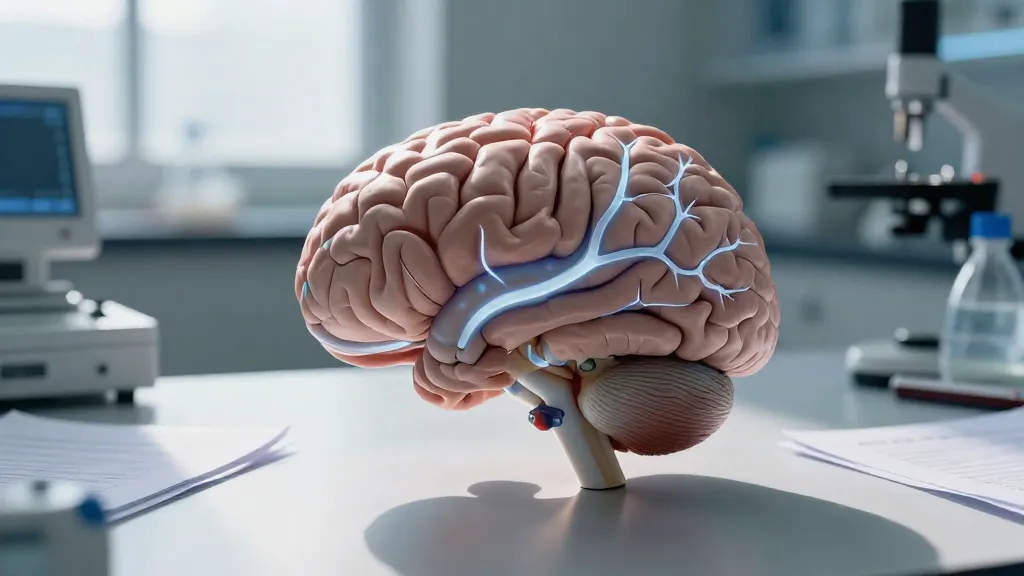
For decades, migraine sufferers have been told to avoid chocolate, red wine, and bright lights—classic “triggers” that doctors believed sparked their debilitating headaches. But groundbreaking new research is revealing that everything we thought we knew about migraines might be fundamentally wrong, potentially revolutionizing treatment for the estimated one billion people worldwide who live with this neurological condition.
The Great Migraine Misconception
Scientists are now questioning whether many supposed migraine triggers are actually symptoms in disguise. The traditional understanding has been that external factors like certain foods, stress, or environmental changes directly cause migraines to begin. However, emerging research suggests this cause-and-effect relationship may be backwards in many cases.
This paradigm shift is forcing researchers to reconsider which brain regions are truly responsible for migraines and how treatments should be developed. The implications could be enormous for millions of people who have spent years meticulously avoiding supposed triggers with limited success.
Rethinking Triggers vs. Symptoms
The new research challenges the long-held belief about what actually initiates a migraine episode. Instead of external triggers being the primary culprit, scientists are discovering that what we’ve labeled as “triggers” might actually be early symptoms of a migraine process that’s already underway in the brain.
This revelation means that:
- Food cravings before a migraine might be a symptom, not a trigger
- Light sensitivity could be an early warning sign rather than a cause
- Mood changes may indicate the brain is already in a pre-migraine state
What This Means for Treatment
If triggers are actually symptoms, it fundamentally changes how migraines should be treated. Rather than focusing solely on avoidance strategies, researchers are now looking at different brain regions that might be the true source of migraine initiation.
The Brain Region Revolution
Perhaps the most significant aspect of this research shift involves identifying which parts of the brain are actually key to developing effective treatments. Previous treatment approaches may have been targeting the wrong neural pathways entirely.
Scientists are now focusing their attention on brain regions that were previously overlooked in migraine research. This redirection of scientific focus could lead to entirely new classes of medications and therapeutic approaches.
What Migraine Sufferers Should Watch For
While research continues to evolve, experts suggest migraine sufferers pay attention to:
- Patterns that occur hours or even days before head pain begins
- Subtle changes in mood, appetite, or energy levels
- Early neurological symptoms that might predict an episode
- How current treatments affect these pre-headache phases
The Road Ahead
This fundamental shift in migraine understanding is still in its early stages, and researchers emphasize that more peer-reviewed studies are needed to fully validate these new theories. However, the potential for developing more effective treatments based on this new understanding offers hope for millions who have struggled with inadequate migraine management.
The research suggests that successful migraine treatment may require a completely different approach—one that addresses the true neurological origins rather than simply managing triggers and symptoms after they appear.
A New Era of Hope
For migraine sufferers who have felt frustrated by limited treatment options and endless trigger avoidance, this research represents a potential turning point. While it may take years for new treatments to emerge from these insights, the fundamental shift in understanding brings renewed optimism to a field that has seen relatively few breakthroughs in recent decades.
As scientists continue to unravel the true mechanisms behind migraines, one thing is becoming clear: the path to better treatment may be completely different from what we’ve pursued for the past several decades.