
Scientists Scanned 10,000 Brains and Discovered the Real Reason Memory Fades With Age
Groundbreaking study of 10,000 brain scans reveals exactly which brain regions deteriorate with age and offers new hope for memory preservation strategies. The findings challenge common assumptions about aging and memory loss.
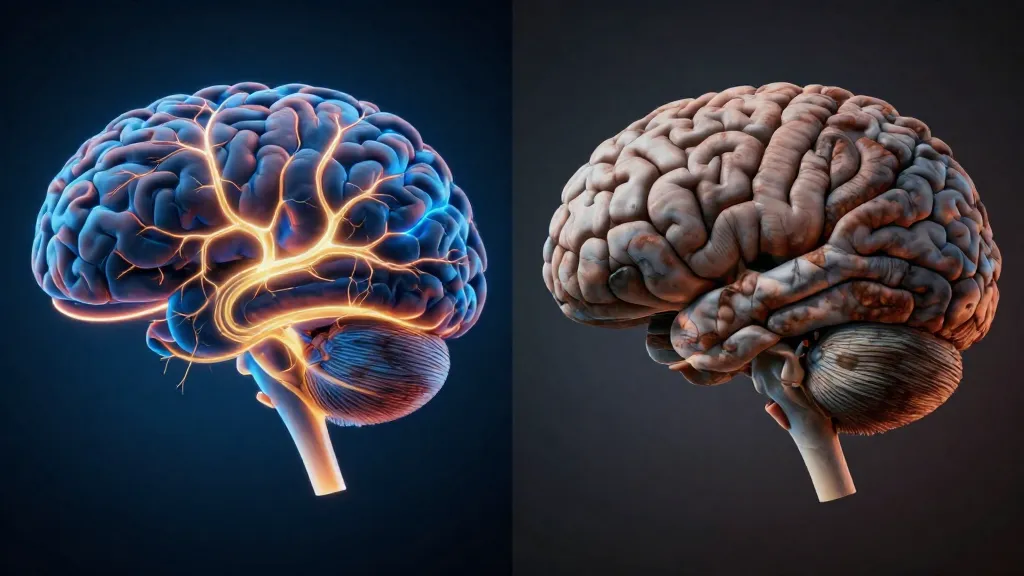
The moment you can’t remember where you put your keys, or when a familiar name sits frustratingly on the tip of your tongue, you might wonder if your memory is starting to slip. Now, researchers have analyzed brain scans from 10,000 people to pinpoint exactly what happens inside our heads as memory begins to fade with age—and the results offer surprising hope for keeping our minds sharp.
The Massive Memory Study That Changed Everything
Scientists have long known that memory deteriorates as we get older, but the specific mechanisms behind this decline remained largely mysterious. This groundbreaking research represents one of the largest brain imaging studies ever conducted, providing unprecedented insight into the aging brain.
The study focused specifically on episodic memory—our ability to recall past events and personal experiences. This type of memory is what allows you to remember your first day at work, last week’s dinner conversation, or where you parked your car this morning. Researchers note that episodic memory is particularly vulnerable to the effects of aging, making it a crucial target for understanding memory decline.
What the Brain Scans Actually Revealed
By analyzing thousands of brain scans, researchers were able to track patterns of deterioration across different brain regions as people age. The findings suggest that memory loss isn’t simply a result of general brain shrinkage, but rather involves specific changes in particular areas of the brain responsible for forming and retrieving memories.
The large scale of this study provides a level of statistical power that previous research couldn’t achieve. With 10,000 brain scans to analyze, scientists could identify subtle patterns that might be missed in smaller studies, offering a more complete picture of how aging affects our ability to remember.
Why This Discovery Matters for Your Memory
The implications of this research extend far beyond academic curiosity. Understanding the precise mechanisms of memory decline opens the door to targeted interventions that could help preserve cognitive function as we age.
Key Areas to Watch For:
- Specific brain regions showing earliest signs of age-related change
- Patterns of deterioration that predict memory problems
- Individual variations in how aging affects different people’s brains
- Potential intervention points for memory preservation strategies
The Hope for Memory Preservation
Perhaps most encouragingly, the detailed mapping of age-related brain changes could lead to more effective strategies for maintaining memory function. When researchers understand exactly which brain regions are most vulnerable and when changes typically begin, they can develop more targeted approaches to cognitive health.
Reports suggest that this type of large-scale brain imaging research is becoming increasingly valuable for identifying potential treatments and interventions. By knowing precisely what goes wrong and where, scientists can focus their efforts on developing strategies that address the root causes of memory decline rather than just managing symptoms.
What This Means for Future Research
The success of this massive brain scanning project demonstrates the power of large-scale neuroscience research. As imaging technology continues to improve and more data becomes available, researchers expect to uncover even more detailed insights into how aging affects the brain.
This research represents a significant step forward in our understanding of memory and aging, though observers note that translating these findings into practical treatments will require additional study. The detailed picture of brain changes revealed by analyzing 10,000 scans provides a solid foundation for future research into memory preservation and cognitive health strategies.
The study’s focus on episodic memory—those personal memories that make up the story of our lives—makes these findings particularly relevant for anyone concerned about maintaining their cognitive abilities as they age. While the complete picture of how to prevent memory decline is still emerging, this research offers genuine hope that targeted interventions may one day help preserve our most precious memories.