
Scientists Study Rare HIV-Immune People to Unlock Universal Cure
Researchers are studying extraordinary individuals whose bodies naturally resist HIV infection, hoping their biological secrets could lead to breakthrough treatments and vaccines for everyone.
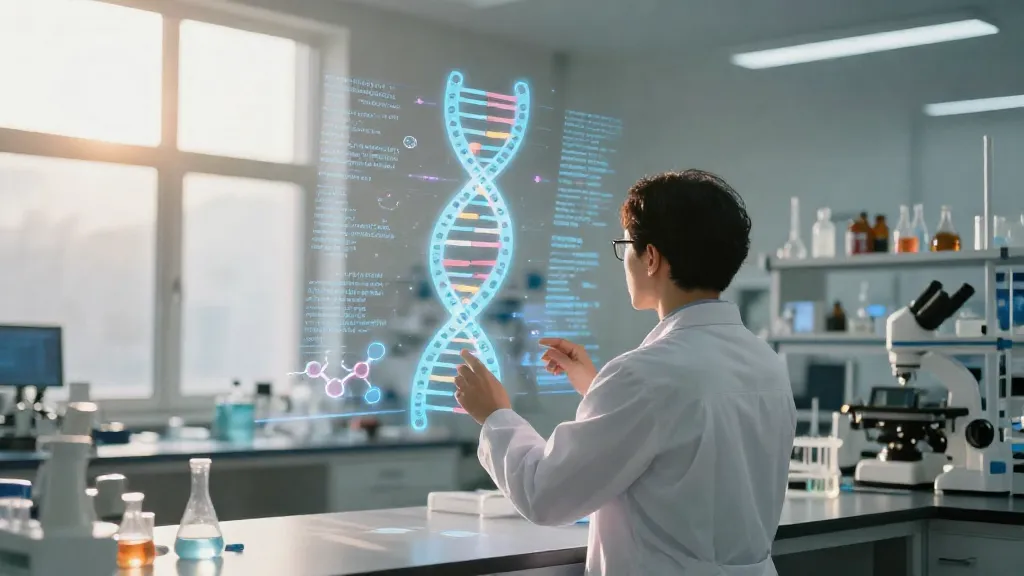
Some people walk through life with an extraordinary superpower they may never even know they possess: their bodies can naturally fend off HIV, one of the most devastating viruses in human history. These rare individuals are now at the center of groundbreaking research that could transform how we fight HIV for millions of people worldwide.
The Mystery of Natural HIV Immunity
While HIV has affected over 75 million people globally since the epidemic began, a small number of individuals appear to possess natural defenses against the virus. Scientists are intensively studying these extraordinary people, hoping to unlock the biological secrets that make them seemingly invulnerable to HIV infection.
According to recent BBC reporting, researchers believe these rare individuals could provide a “blueprint of a cure” that might revolutionize HIV treatment and prevention for everyone. The phenomenon represents one of the most intriguing puzzles in modern immunology—understanding why some immune systems can naturally defeat a virus that has challenged medical science for decades.
What Makes These People Different?
The biological mechanisms behind this natural immunity remain under investigation, but researchers are working to identify the specific genetic, cellular, or immunological factors that protect these individuals. Their bodies appear to have evolved unique defenses that either prevent HIV from entering cells or eliminate the virus before it can establish infection.
Key Research Areas Scientists Are Exploring:
- Genetic variations that may block HIV entry into cells
- Immune system responses that rapidly eliminate the virus
- Cellular mechanisms that prevent viral replication
- Protective factors that could be replicated in treatments
The Promise of Universal Protection
The implications of this research extend far beyond academic curiosity. If scientists can decode the natural immunity mechanisms, they could potentially develop new treatments, vaccines, or preventive therapies that replicate these protective effects in the broader population.
This approach represents a shift from traditional HIV research, which has focused primarily on managing the virus after infection occurs. Instead, researchers are studying how to prevent infection entirely by mimicking the body’s own successful defense strategies.
Challenges and Timeline
While the research offers tremendous hope, experts caution that translating these discoveries into practical treatments will likely take years of additional study. Understanding the complex biological processes involved and developing safe, effective interventions based on these findings requires extensive research and clinical testing.
The rarity of naturally immune individuals also presents challenges for researchers, as finding and studying enough cases to draw definitive conclusions requires significant time and resources.
A New Chapter in HIV Research
This research represents a potentially transformative approach to one of medicine’s greatest challenges. By studying the few who are naturally protected, scientists may finally unlock solutions that could protect the many. While still in early stages, the work offers renewed hope for developing more effective HIV prevention and treatment strategies that could benefit millions of people worldwide.
The journey from laboratory discovery to practical application remains long, but the blueprint for victory against HIV may already exist within the remarkable immune systems of these rare, naturally protected individuals.