
Your Gut Bacteria Could Be the Key to Preventing Parkinson's Disease, New Study Reveals
Groundbreaking research published in Nature shows intestinal immune cells may control Parkinson's disease development, opening new possibilities for prevention through gut health.
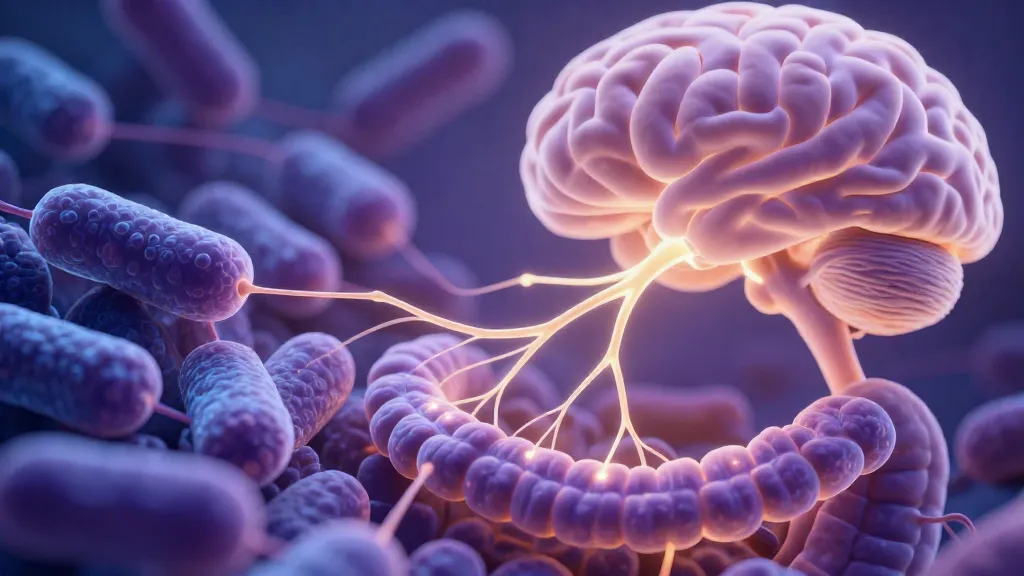
Your gut might hold the secret to preventing one of the most feared neurodegenerative diseases. Scientists have discovered that specialized immune cells in your intestines could play a crucial role in controlling the development of Parkinson’s disease, fundamentally changing how we think about this devastating condition.
Published in the prestigious journal Nature, this groundbreaking research reveals that intestinal macrophages—immune cells that act as housekeepers in your gut—can modulate the abnormal protein buildup associated with Parkinson’s disease. The findings suggest that maintaining gut health could be a powerful tool in preventing neurodegeneration before it starts.
The Gut-Brain Highway
The connection between your digestive system and your brain runs deeper than previously imagined. Researchers have identified a critical pathway where intestinal immune cells communicate with the nervous system, potentially influencing the progression of Parkinson’s disease along what scientists call the “gut-brain axis.”
These muscularis macrophages serve as guardians of intestinal health, maintaining the integrity of the enteric nervous system—often called the “second brain” because of its extensive network of neurons. When these cellular housekeepers function properly, they appear to help control the spread of alpha-synuclein, the rogue protein that forms toxic clumps in Parkinson’s patients’ brains.
What Makes This Discovery Revolutionary
The study demonstrates that these intestinal immune cells don’t just passively observe—they actively modulate the disease process. This represents a paradigm shift from viewing Parkinson’s as purely a brain disorder to understanding it as a condition that may originate or be influenced by gut dysfunction.
Reports suggest that this mechanism could explain why gastrointestinal symptoms often appear years before the classic motor symptoms of Parkinson’s disease, such as tremors and movement difficulties. The research indicates that the gut may serve as an early battleground where the disease either takes hold or gets contained.
Key Signs Your Gut Health Might Need Attention
While this research is still in early stages using mouse models, observers note several gut health indicators worth monitoring:
- Chronic digestive issues or inflammation
- Persistent constipation (a common early Parkinson’s symptom)
- Frequent antibiotic use that disrupts gut bacteria balance
- Poor dietary diversity affecting microbiome health
- High stress levels impacting gut-brain communication
The Road Ahead for Prevention
Understanding these mechanisms could pave the way for entirely new approaches to Parkinson’s prevention and treatment. Rather than waiting for brain symptoms to appear, future therapies might target the gut to stop the disease before it progresses.
The research suggests that supporting intestinal macrophage function and overall gut health could become a cornerstone of preventive medicine. This might involve targeted probiotics, dietary interventions, or therapies designed to enhance the gut’s immune response.
Important Limitations to Consider
While these findings are promising, it’s crucial to note that this research was conducted in mouse models of Parkinson’s disease. The translation from laboratory mice to human patients requires extensive additional study and clinical trials.
The complexity of human gut microbiomes and individual genetic variations means that practical applications may still be years away. However, the fundamental discovery that intestinal immune cells can influence neurodegeneration represents a major breakthrough in our understanding of how Parkinson’s disease develops and potentially how it might be prevented.
This research opens exciting new avenues for investigation and offers hope that maintaining gut health could become a powerful tool in the fight against neurodegenerative diseases. As scientists continue to unravel the intricate connections between our gut and brain, we may be on the cusp of a new era in preventing some of humanity’s most challenging diseases.