
Your Gut Bacteria Could Determine If Cancer Treatment Works, Scientists Discover
Groundbreaking research reveals that gut microbiome health may be the deciding factor in cancer immunotherapy success, opening new frontiers in personalized treatment.
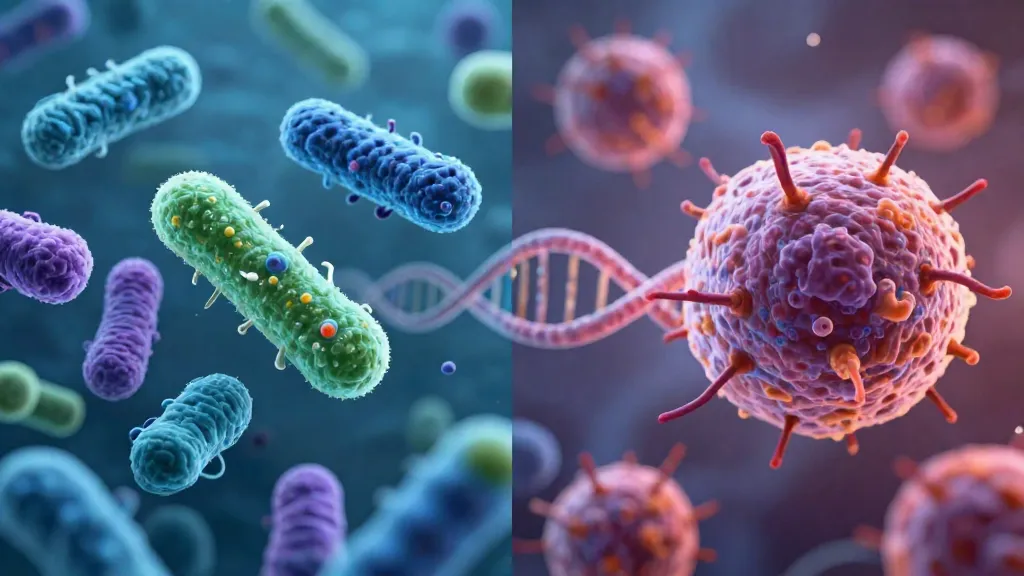
Your body harbors trillions of microscopic allies that could make or break your fight against cancer. Scientists are discovering that the bacteria living in your gut—collectively known as your microbiome—may hold unprecedented power over whether cutting-edge cancer treatments succeed or fail.
Recent research is revealing a stunning connection between gut health and cancer immunotherapy effectiveness, with experts now calling the microbiome “the next frontier of cancer prevention and care.” This breakthrough could revolutionize how doctors approach cancer treatment, shifting focus from a one-size-fits-all model to personalized therapy based on what’s happening in your digestive system.
The Hidden Army in Your Gut
The human microbiome consists of trillions of bacteria, viruses, and fungi that call your intestines home. While these microscopic organisms have long been recognized for their role in digestion, scientists are now uncovering their profound influence on your immune system’s ability to recognize and destroy cancer cells.
Reports suggest that the microbiome appears to be especially critical when it comes to immunotherapy—a revolutionary cancer treatment that harnesses your body’s own immune system to fight tumors. Unlike traditional chemotherapy that directly attacks cancer cells, immunotherapy works by removing the brakes on your immune system, allowing it to launch a more effective assault against malignant tissue.
Why Some Patients Respond While Others Don’t
Cancer doctors have long puzzled over why immunotherapy produces dramatic results in some patients while leaving others unchanged. The answer may lie in the microscopic ecosystem within each patient’s gut.
Emerging evidence indicates that certain bacterial strains may enhance immune function, while others could potentially interfere with treatment effectiveness. This discovery helps explain the wide variation in patient responses to identical immunotherapy protocols.
Key Factors That May Influence Treatment Success:
- Diversity of gut bacterial species
- Presence of specific beneficial strains
- Overall microbiome health and balance
- Recent antibiotic use that may have disrupted gut bacteria
- Diet and lifestyle factors affecting microbial populations
The Science Behind the Connection
Researchers are working to understand the precise mechanisms linking gut bacteria to cancer treatment outcomes. The microbiome appears to influence immune system training and activation, potentially determining how effectively your body can mount an anti-cancer response when prompted by immunotherapy drugs.
Observers note that this research represents a fundamental shift in understanding cancer treatment. Rather than viewing the gut and immune system as separate entities, scientists are recognizing them as deeply interconnected partners in health and disease.
What This Means for Cancer Patients
While this research is still evolving, the implications could be profound for cancer care. Future treatments might include microbiome testing before immunotherapy begins, followed by targeted interventions to optimize gut health for maximum treatment effectiveness.
Patients may eventually receive personalized probiotic regimens, dietary recommendations, or other microbiome-supporting therapies alongside their cancer treatment. This approach could potentially improve response rates while reducing the uncertainty that currently surrounds immunotherapy outcomes.
The Road Ahead
Scientists emphasize that much work remains to fully understand and harness the microbiome’s role in cancer treatment. Current research focuses on identifying which bacterial strains are most beneficial, determining optimal timing for microbiome interventions, and developing reliable methods to modify gut bacteria safely in cancer patients.
This emerging field represents hope for millions facing cancer diagnoses. By unlocking the secrets of the microbiome, researchers may be opening doors to more effective, personalized cancer treatments that work with your body’s natural defenses rather than against them.
The next time you consider your gut health, remember that you’re not just supporting digestion—you may be nurturing an army of microscopic allies that could prove crucial in humanity’s ongoing battle against cancer.