
Your Gut Bacteria Could Determine If Cancer Treatment Works—New Research Reveals Hidden Connection
Groundbreaking research suggests that the bacteria in your gut may be the deciding factor in whether cancer immunotherapy succeeds or fails. Scientists are exploring how microbiome composition could revolutionize personalized cancer treatment.
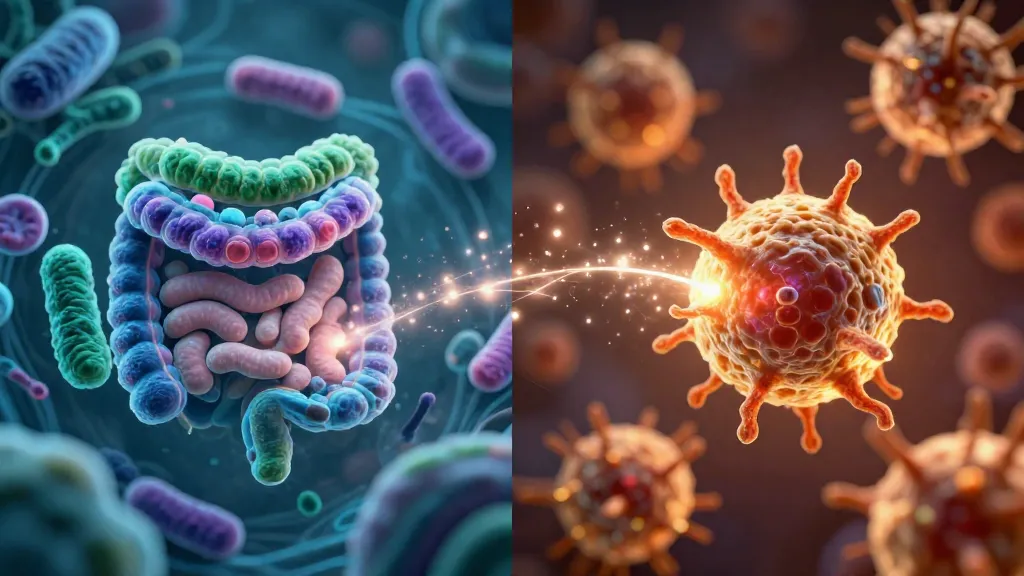
The trillions of bacteria living in your gut might hold the key to whether cutting-edge cancer treatments will save your life or leave you disappointed. While oncologists have long puzzled over why some patients respond dramatically to immunotherapy while others see no benefit at all, emerging research suggests the answer may lie in an unexpected place: your intestinal microbiome.
The Immunotherapy Mystery
Cancer immunotherapy has revolutionized oncology, offering hope where traditional treatments have failed. These treatments work by unleashing the body’s own immune system to recognize and destroy cancer cells. Yet despite their promise, immunotherapies remain frustratingly unpredictable—working brilliantly for some patients while proving completely ineffective for others with seemingly identical cancers.
This inconsistency has driven researchers to search for factors that might explain the dramatic differences in patient responses. Recent investigations are revealing that the composition of gut bacteria may be one of the most important variables determining treatment success.
Your Microbiome’s Role in Fighting Cancer
The human gut hosts an intricate ecosystem of microorganisms that researchers are discovering plays a far more significant role in health than previously understood. This microbial community doesn’t just aid digestion—it actively communicates with and influences the immune system throughout the body.
When it comes to cancer immunotherapy, early research suggests that certain bacterial strains may enhance the immune system’s ability to recognize and attack cancer cells, while others might dampen this response. The specific mix of microorganisms in each patient’s gut could essentially determine whether their immune system will cooperate with the therapy or resist it.
What Scientists Are Learning
Reports from ongoing research indicate that patients with diverse, healthy microbiomes tend to respond better to immunotherapy treatments. Conversely, those with disrupted or less diverse bacterial communities—often the result of antibiotic use, poor diet, or other factors—may be less likely to benefit from these therapies.
Key findings emerging from this research include:
- Gut bacteria composition appears to predict immunotherapy response rates
- Certain bacterial strains may enhance immune system activation
- Microbiome diversity seems linked to better treatment outcomes
- Previous antibiotic use might negatively impact therapy effectiveness
The Treatment Revolution Ahead
These discoveries are opening entirely new avenues for cancer treatment optimization. Rather than simply administering immunotherapy and hoping for the best, oncologists may soon be able to analyze a patient’s microbiome beforehand and take steps to optimize it for treatment success.
Potential Interventions
Researchers are exploring several strategies that could help patients prepare their microbiomes for immunotherapy. These might include targeted probiotic treatments, fecal microbiota transplants, or dietary modifications designed to promote beneficial bacterial growth.
The goal would be to create the ideal intestinal environment before beginning cancer treatment, potentially transforming immunotherapy from a hit-or-miss approach into a more predictable and effective intervention.
What This Means for Patients
While this research is still developing, it highlights the profound connection between gut health and overall immune function. Patients facing cancer treatment might benefit from discussing microbiome health with their medical teams, particularly regarding antibiotic use and dietary choices that could impact their intestinal bacterial communities.
The implications extend beyond cancer treatment itself. This research underscores how the microorganisms we carry within us actively participate in our health outcomes, suggesting that maintaining a healthy gut microbiome could be one of the most important steps people can take for their long-term wellbeing.
As scientists continue to unravel the complex relationships between gut bacteria and immune function, we may be approaching an era where personalized medicine truly begins in the gut—transforming not just cancer treatment, but our entire understanding of human health.