
Your Mom's Cells Live in Your Brain—And May Stay There for Life
Groundbreaking research reveals that maternal cells cross the placental barrier during pregnancy and integrate into your brain, potentially persisting into old age. This discovery reshapes our understanding of fetal development and the lifelong maternal-fetal connection.
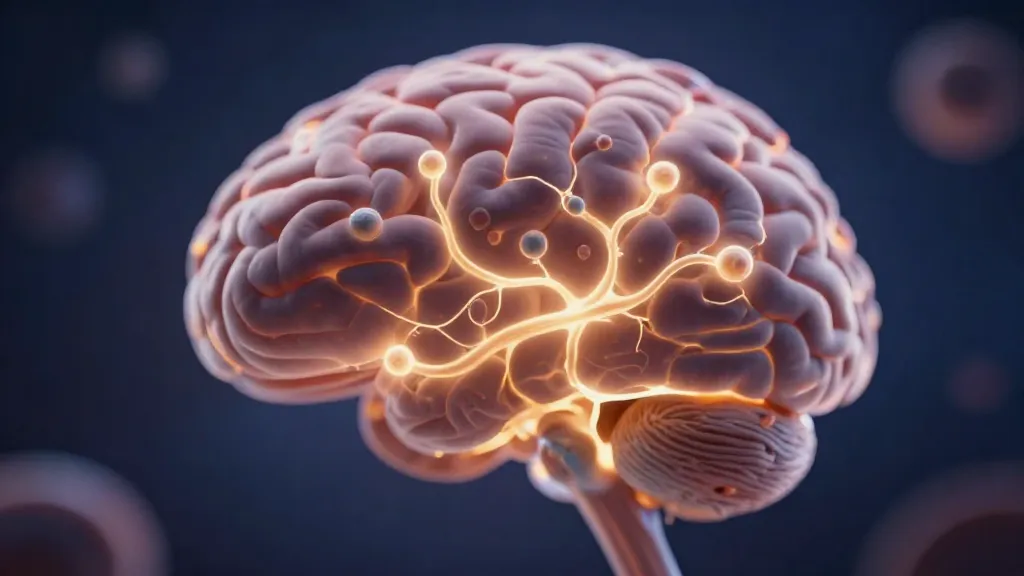
You’ve been carrying your mother with you since before you were born—literally. New research reveals that cells from your mother cross the placental barrier during pregnancy and integrate directly into your developing brain, potentially taking up permanent residence for the rest of your life. This isn’t poetic metaphor. It’s neurobiology.
The Discovery That Changes Everything
Scientists have long known that the placenta isn’t an impenetrable wall. Cells and molecules move both ways between mother and fetus during pregnancy. But recent findings suggest something far more profound: maternal cells don’t just pass through your brain—they settle in, differentiate into specialized cell types, and persist into adulthood and old age.
This discovery fundamentally reshapes how we understand fetal development and the biological bond between mother and child. It also raises fascinating questions about identity, development, and what it truly means for a brain to be “yours.”
How Does This Even Happen?
The placenta, that remarkable organ that sustains pregnancy, is more porous than once thought. During gestation, maternal cells migrate across the placental barrier and enter the developing fetal brain. Once there, they don’t remain dormant. Instead, these maternal cells appear to take on distinct roles within the brain’s developing architecture.
Researchers have found evidence that these cells can survive for decades—potentially throughout a person’s entire lifespan. The cells integrate into neural tissue and appear to function as part of the brain’s normal cellular landscape.
What We Don’t Yet Know
The persistence of maternal cells in the brain raises urgent questions that science is only beginning to explore:
- Health implications: Are these maternal cells beneficial to brain development and function? Neutral? Could they contribute to certain conditions?
- Functional roles: What specific jobs do maternal cells perform in the brain?
- Variability: Do all people retain maternal cells throughout life, or does persistence vary?
- Long-term effects: What happens as we age—do these cells continue functioning normally?
A Reminder of Connection
What makes this research so compelling isn’t just the mechanism—it’s what it represents. Every person alive carries physical evidence of their mother woven into their brain tissue from the earliest stages of development. The boundary between self and mother, it turns out, is far more blurred than we ever imagined.
This isn’t new-age mysticism dressed up in scientific language. It’s a concrete biological reality that reframes one of humanity’s most fundamental relationships.
The implications will likely unfold over years as researchers investigate further. For now, the finding stands as a humbling reminder: you are, quite literally, partly your mother’s handiwork—and that legacy may be with you always.