
Your Y Chromosome Is Disappearing as You Age—And Scientists Just Discovered Why That's Dangerous
Men naturally lose their Y chromosome in cells as they age, and new research reveals this seemingly harmless process may be linked to heart disease, cancer, and Alzheimer's.
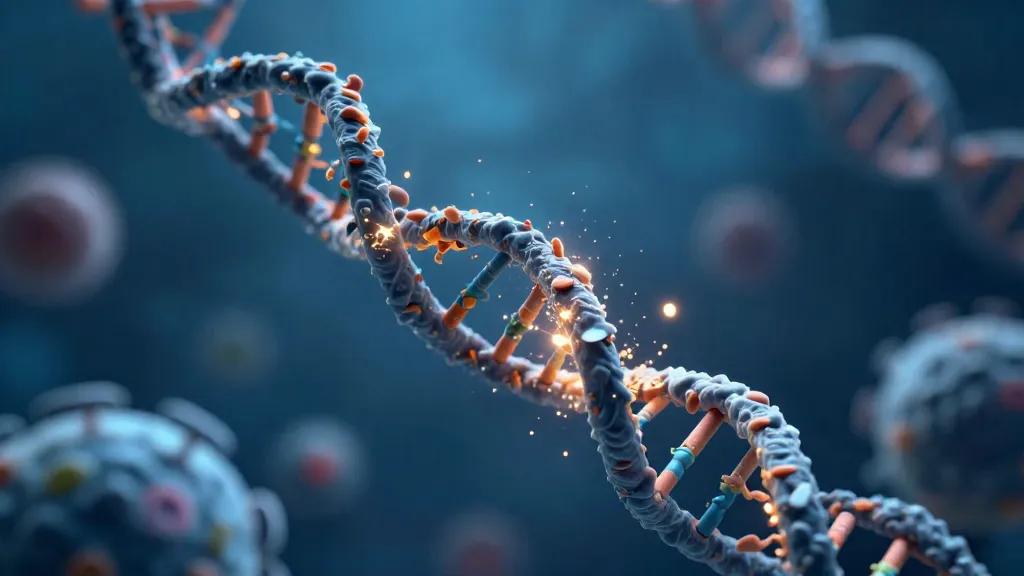
Every man reading this is slowly losing something fundamental to his genetic identity—and until recently, scientists thought it didn’t matter at all. As men age, cells throughout their bodies begin shedding their Y chromosome, the very piece of DNA that made them male in the first place. For decades, researchers dismissed this as biological housekeeping, a harmless quirk of getting older. Now, groundbreaking research suggests they may have been dangerously wrong.
The Vanishing Chromosome Mystery
The Y chromosome has always been something of an enigma in human genetics. Unlike other chromosomes that come in matching pairs, men carry just one Y chromosome alongside their X chromosome. For years, scientists viewed it as little more than a genetic switch—important for determining sex during development, but largely irrelevant afterward.
This perspective seemed to make sense when researchers first noticed that aging men naturally lose their Y chromosome in various cells throughout their bodies. The phenomenon, known as loss of Y (LOY), appeared to be just another inevitable part of aging, like gray hair or reading glasses. After all, if the Y chromosome didn’t do much beyond determining sex, what harm could losing it possibly cause?
A Dangerous Assumption Overturned
Recent research is revealing that this assumption may have been a costly mistake. Scientists are now uncovering compelling evidence that Y chromosome loss isn’t the benign process they once believed. Instead, reports suggest this genetic disappearing act may be intimately connected to some of the most serious health threats facing older men.
The emerging picture is startling: as men lose their Y chromosomes, they may be simultaneously losing crucial protection against heart disease, cancer, and even Alzheimer’s disease. This discovery represents a fundamental shift in how researchers understand both aging and male health.
What the Research Reveals
Observers note that the connection between Y chromosome loss and disease isn’t just correlational—there appear to be genuine biological mechanisms at work. When cells lose their Y chromosome, they may lose important regulatory functions that help maintain cellular health and proper immune responses.
The implications extend far beyond academic curiosity. This research suggests that what scientists once dismissed as irrelevant genetic debris could actually be a key factor in understanding why men face higher rates of certain diseases as they age.
The Health Risks You Need to Know
The potential health consequences of Y chromosome loss span multiple organ systems, creating a web of interconnected risks that researchers are only beginning to understand.
Cardiovascular Threats
Heart disease remains the leading killer of men worldwide, and Y chromosome loss may be adding fuel to this fire. Research indicates that men who lose more Y chromosomes may face elevated risks of cardiovascular problems, potentially explaining part of the gender gap in heart disease outcomes.
Cancer Connections
The relationship between Y chromosome loss and cancer appears particularly complex. Some studies suggest that losing the Y chromosome might compromise the body’s ability to detect and eliminate cancerous cells, potentially making men more vulnerable to various forms of the disease.
Neurological Implications
Perhaps most concerning are the emerging links between Y chromosome loss and Alzheimer’s disease. Scientists are investigating whether the disappearing chromosome might contribute to the cognitive decline that affects millions of aging men worldwide.
Key Warning Signs to Monitor
While Y chromosome loss occurs naturally and can’t be directly observed without specialized testing, researchers suggest watching for these broader health indicators:
- Unexplained cardiovascular symptoms in older men
- Family history of early-onset heart disease
- Rapid cognitive changes beyond normal aging
- Increased susceptibility to infections or illnesses
The Road Ahead
This research opens entirely new avenues for understanding male health and aging. If Y chromosome loss truly contributes to disease risk, it could revolutionize how doctors approach preventive care for older men.
Scientists are now racing to understand exactly how Y chromosome loss contributes to disease and whether interventions might be possible. Some researchers are exploring whether lifestyle factors influence the rate of chromosome loss, while others investigate potential therapeutic approaches.
What This Means for Men Today
While this research is still evolving, it underscores the importance of proactive health monitoring as men age. The discovery that a seemingly insignificant genetic change could have profound health implications serves as a reminder that aging involves complex biological processes we’re only beginning to understand.
For now, the best approach remains focusing on established preventive measures: maintaining cardiovascular health, staying mentally active, and working closely with healthcare providers to monitor for early signs of disease. As scientists continue unraveling the mysteries of Y chromosome loss, these fundamental health practices remain more important than ever.
The realization that your disappearing Y chromosome might be silently influencing your health risk represents a paradigm shift in genetic medicine. What once seemed like irrelevant biological trivia may actually hold keys to understanding and potentially preventing some of the most serious health challenges facing aging men.