
AI Breakthrough Reveals Hidden Genetic Control Centers Behind Alzheimer's Disease
Scientists used advanced AI system SIGNET to create the most detailed maps yet of genetic control networks in Alzheimer's brains, uncovering previously unknown cause-and-effect relationships that could lead to new treatments.
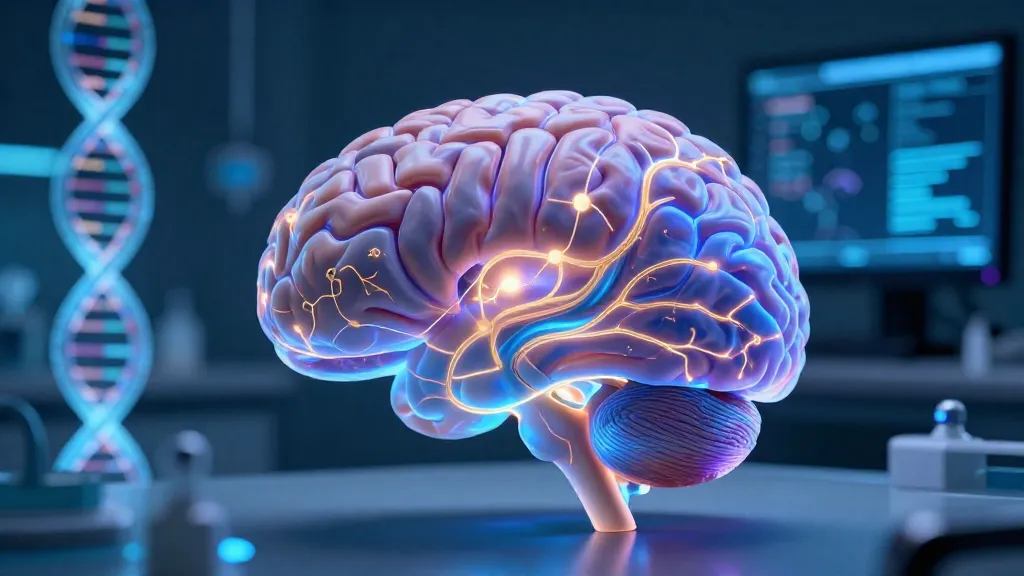
Scientists have just unlocked one of Alzheimer’s most closely guarded secrets—the hidden genetic control centers that orchestrate the disease’s devastating progression through our brains. Using a revolutionary AI system called SIGNET, researchers have created the most detailed maps ever of how genes control one another in Alzheimer’s patients, revealing cause-and-effect relationships that could transform how we fight this disease.
The AI Detective That Sees What Humans Can’t
Traditional genetic research has long struggled with a fundamental challenge: while scientists can identify which genes are active in diseased brains, they’ve had limited ability to understand how these genes actually control each other. It’s like knowing all the players on a team but not understanding who’s calling the plays.
SIGNET changes that equation entirely. This advanced AI system doesn’t just catalog genetic activity—it maps the intricate command-and-control networks that govern how genes influence one another across the complex landscape of the human brain.
Mapping the Genetic Puppet Masters
The breakthrough represents a quantum leap in understanding Alzheimer’s at its most fundamental level. Where previous research might identify genes that are more or less active in diseased brains, SIGNET reveals the deeper story: which genes are pulling the strings, and which ones are responding to those commands.
These newly discovered cause-and-effect relationships paint a picture of Alzheimer’s as a disease driven by specific genetic control centers—master regulators that may hold the key to intervention strategies researchers never knew existed.
What This Could Mean for Treatment
The implications of this genetic mapping breakthrough extend far beyond academic understanding. Key areas where this research could make an impact include:
- New therapeutic targets: Identifying the genetic “puppet masters” could reveal previously unknown intervention points
- Preventive strategies: Understanding control networks might help develop approaches to halt disease progression before symptoms appear
- Personalized medicine: Detailed genetic maps could enable treatments tailored to individual patients’ specific genetic profiles
The Road Ahead
While this represents a significant step forward in Alzheimer’s research, scientists emphasize that translating these genetic insights into actual treatments will require additional research and development. The detailed maps created by SIGNET provide a foundation for understanding the disease’s genetic architecture, but turning that knowledge into therapies remains a complex challenge.
Reports suggest that the research team is already working to expand their genetic mapping to include larger datasets and explore how these control networks might be disrupted or redirected to slow or prevent Alzheimer’s progression.
A New Chapter in Brain Science
This AI-driven breakthrough marks a pivotal moment in neuroscience research, demonstrating how artificial intelligence can reveal biological relationships that have remained hidden despite decades of traditional investigation. As SIGNET and similar AI systems continue to evolve, they may unlock even more secrets about how our brains function—and malfunction—at the genetic level.
For the millions of families affected by Alzheimer’s worldwide, this research offers something that has been in short supply: a genuinely new angle of attack against a disease that has long seemed insurmountable. While immediate treatments remain on the horizon, the genetic roadmap provided by this AI breakthrough gives scientists their clearest view yet of the molecular machinery driving Alzheimer’s disease.