
Apple Watch Detects Heart Problems 4x Better Than Doctor Visits, New Study Reveals
Peer-reviewed research shows Apple Watch caught 4 times more atrial fibrillation cases than standard medical care, including 57% of patients with no symptoms. Your smartwatch might be better at detecting heart problems than your doctor's office visit.
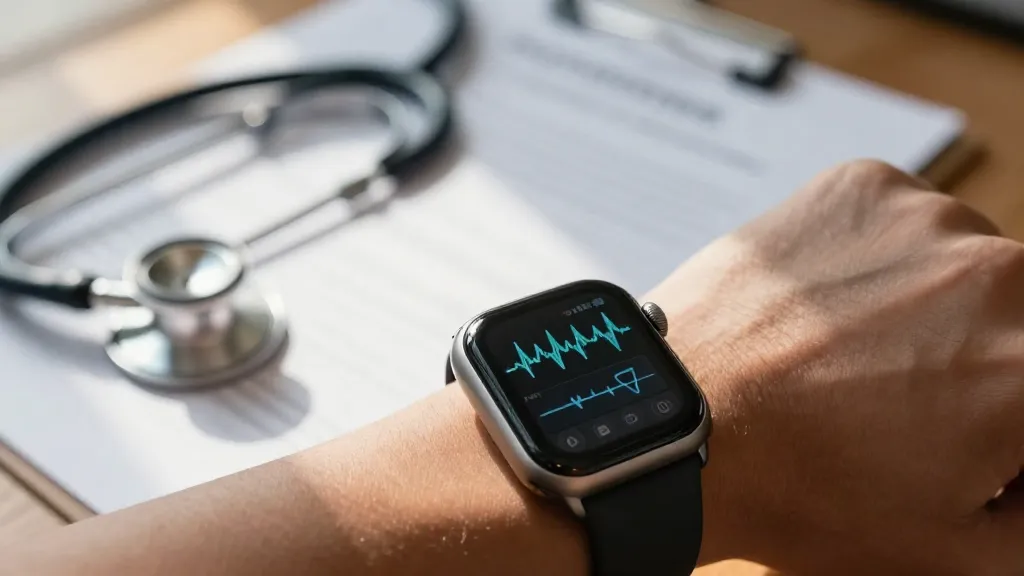
Your smartwatch might be silently watching over your heart better than your doctor can during a routine office visit. New peer-reviewed research reveals that Apple Watch detected four times more cases of atrial fibrillation compared to standard medical care—and more than half of those cases were in people who had no symptoms at all.
The findings suggest that the device on your wrist could be catching life-threatening heart rhythm disorders that traditional healthcare screening methods are missing entirely.
The Silent Heart Condition Hiding in Plain Sight
Atrial fibrillation, commonly called AFib, affects millions of people worldwide and dramatically increases the risk of stroke and heart failure. The condition causes irregular heartbeats that can be difficult to detect during brief medical appointments, especially when patients aren’t experiencing obvious symptoms.
Traditional medical screening relies on periodic check-ups, where doctors listen to the heart or perform brief electrocardiograms. But AFib episodes can be sporadic and unpredictable, making them easy to miss during these snapshot examinations.
Wearable Technology Changes the Game
The new research demonstrates how continuous monitoring through consumer wearables is revolutionizing heart health detection. Unlike a doctor’s visit that captures just moments in time, the Apple Watch monitors heart rhythm around the clock, catching irregular patterns that might occur at any hour.
According to the study findings, the device identified atrial fibrillation cases at a rate four times higher than standard clinical care. Perhaps most striking was the discovery that 57% of the detected AFib cases occurred in people who had no symptoms—meaning they were completely unaware of their potentially dangerous heart condition.
What This Means for Your Health
The implications extend far beyond impressive statistics. Early detection of atrial fibrillation can be life-saving, allowing patients to:
- Begin treatment before serious complications develop
- Reduce stroke risk through appropriate medication
- Make lifestyle changes to support heart health
- Work with cardiologists to develop monitoring plans
The Technology Behind the Detection
Apple Watch uses photoplethysmography and electrical sensors to monitor heart rhythm patterns continuously. The device can detect irregular rhythms and alert users to potential AFib episodes, prompting them to seek medical evaluation.
Reports suggest that this passive, continuous monitoring approach captures heart rhythm data that would be impossible to gather through traditional periodic medical visits alone.
Beyond the Hype: What Experts Are Watching
While the research results are encouraging, observers note that wearable technology complements rather than replaces professional medical care. The devices excel at detection and monitoring, but proper diagnosis and treatment still require healthcare professionals.
Medical experts emphasize that positive readings from wearable devices should prompt consultation with cardiologists for proper evaluation and treatment planning.
The Future of Heart Health Monitoring
This research represents a significant shift toward consumer technology playing a more central role in preventive healthcare. As wearable devices become more sophisticated and their health monitoring capabilities expand, they’re positioning themselves as essential tools for early disease detection.
The ability to catch asymptomatic cases—those that would likely go undetected for months or years—could transform how we approach cardiovascular health screening. Instead of waiting for symptoms to appear or relying on periodic check-ups, continuous monitoring offers the possibility of catching problems before they become medical emergencies.
For the millions of people already wearing smartwatches, this research suggests their devices are doing more than counting steps and displaying notifications—they might be quietly protecting their cardiovascular health in ways that traditional healthcare alone cannot match.