
Disabled People Are Hacking Fitness Trackers to Do Less, Not More—And It's Revolutionary
People with Long COVID and chronic illnesses are repurposing fitness trackers to monitor symptoms and manage their conditions in ways the devices were never designed for. The results are changing how we think about adaptive technology.
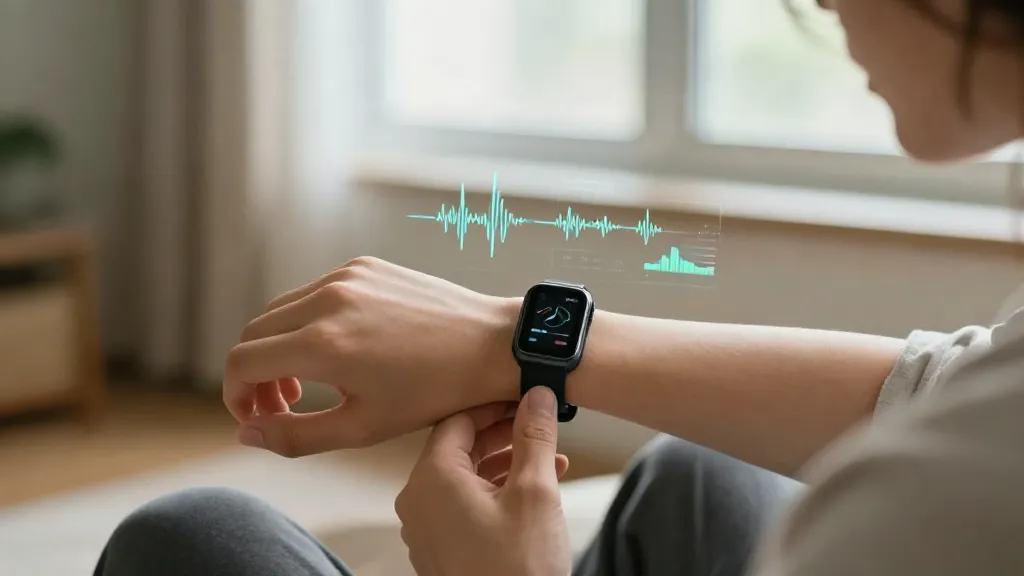
When most people strap on a fitness tracker, they’re chasing higher numbers—more steps, faster miles, elevated heart rates that signal progress. But a growing community of people with chronic illnesses has discovered something revolutionary: these same devices can be lifesavers when used to do the exact opposite.
People with Long COVID, POTS (Postural Orthostatic Tachycardia Syndrome), and other chronic conditions are repurposing consumer fitness trackers in ways the manufacturers never intended. Instead of pushing their bodies harder, they’re using the data to understand when to rest, when to stop, and how to pace themselves through the unpredictable landscape of chronic illness.
The Accidental Medical Devices
What started as consumer gadgets designed to motivate healthy people to move more have become essential health management tools for those who need to move less—or at least move more strategically. The heart rate monitors, sleep trackers, and activity sensors that were meant to encourage peak performance are now helping people navigate the delicate balance of managing conditions that can be worsened by overexertion.
Reports from the chronic illness community suggest these devices are filling a crucial gap in medical care. While traditional healthcare often focuses on acute conditions with clear treatment paths, chronic illnesses like Long COVID present complex, fluctuating symptoms that require constant monitoring and adjustment.
Beyond Step Counting: Creative Adaptations
The adaptations go far beyond simply ignoring step goals. Users are monitoring heart rate variability to predict symptom flares, tracking sleep patterns to identify triggers, and using recovery metrics to gauge when their bodies can handle activity versus when rest is essential.
Key Ways Chronic Illness Patients Are Repurposing Fitness Trackers:
- Monitoring heart rate spikes that signal overexertion
- Tracking sleep quality to manage fatigue-related symptoms
- Using recovery scores to plan daily activities
- Identifying patterns between activity levels and symptom flares
- Setting conservative activity limits instead of ambitious goals
The POTS Connection
For people with POTS, a condition where heart rate increases dramatically when standing, fitness trackers have become particularly valuable. The continuous heart rate monitoring can alert users to dangerous spikes and help them understand their body’s responses throughout the day. This real-time data allows for immediate adjustments—sitting down when heart rate climbs too high, or recognizing patterns that predict difficult days.
When Less Data Means More Control
The irony isn’t lost on this community: devices designed to encourage more activity are helping people do less, but in a more informed way. This represents a fundamental shift in how we think about health technology and who it serves.
Observers note that this grassroots adaptation highlights both the ingenuity of the disability community and the limitations of current medical technology. While these consumer devices aren’t perfect—they weren’t designed for medical use—they’re providing insights that traditional medical monitoring often misses.
The Broader Impact
This trend points to a larger conversation about adaptive technology and inclusive design. When people with disabilities modify existing technology to meet their needs, they often reveal innovations that could benefit everyone. The focus on recovery, rest, and sustainable activity levels challenges the “more is better” mentality that dominates both fitness culture and healthcare.
The success of these adaptations also raises questions about the future of health monitoring. If consumer devices can provide valuable insights for chronic illness management, what might purpose-built medical devices accomplish?
A New Definition of Success
For the chronic illness community, success looks different than the traditional fitness tracker metrics suggest. It’s not about hitting 10,000 steps or achieving target heart rate zones. Instead, it’s about having enough energy to cook dinner, recognizing early warning signs of a symptom flare, or simply understanding their body well enough to plan their day.
This repurposing of fitness technology represents more than just clever adaptation—it’s a reimagining of what health and wellness can look like when tools are designed with diverse needs in mind. As more people discover these alternative uses, the definition of a successful day might shift from “did more” to “understood better.”
The revolution isn’t in the technology itself, but in how it’s being used: not to push limits, but to understand them, respect them, and work within them to build a sustainable life with chronic illness.