
10 Science-Backed Hobbies That Could Add Years to Your Life, According to Experts
From dancing to juggling, these expert-recommended hobbies have been scientifically proven to boost brain function and increase longevity in older adults. Here's what the research reveals about staying sharp and healthy through engaging activities.
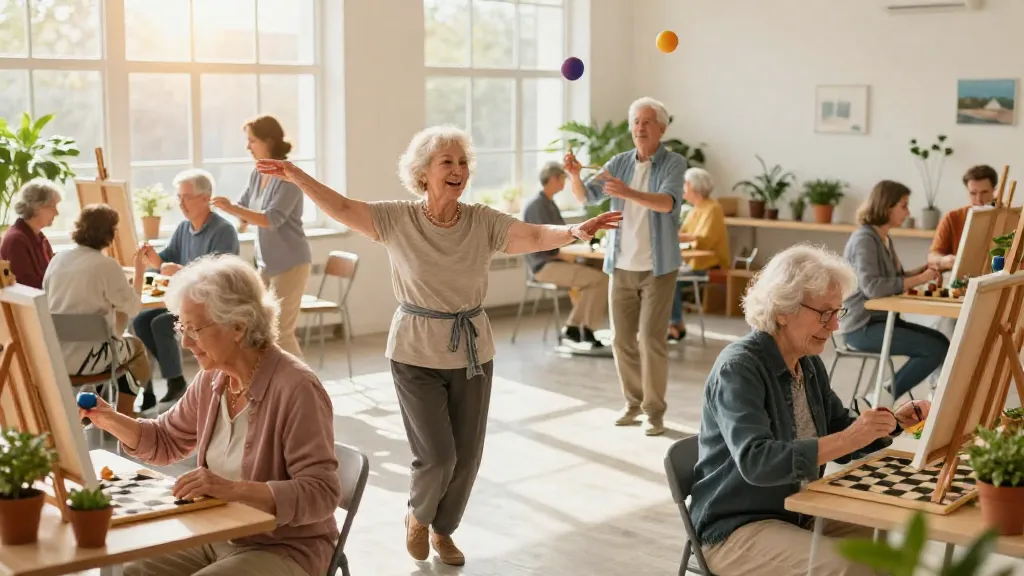
The fountain of youth might not be a mythical spring after all—it could be hiding in your local community center, art studio, or even your own backyard. Recent research reveals that certain hobbies don’t just fill your free time; they actively work to extend your lifespan while keeping your mind razor-sharp well into your golden years.
The Science Behind Hobby-Based Longevity
While we often think of exercise and diet as the primary pillars of healthy aging, experts are increasingly recognizing the powerful role that engaging hobbies play in both brain and body health. These activities create what researchers call a “dual benefit” effect—simultaneously challenging cognitive function while promoting physical wellness.
The key lies in choosing activities that engage multiple systems at once. When your brain has to coordinate complex movements, process new information, and adapt to changing patterns, it builds resilience against age-related decline.
Movement-Based Hobbies That Pack a Punch
Dancing: The Ultimate Brain-Body Workout
Dancing tops many experts’ lists for good reason. This activity combines cardiovascular exercise with complex cognitive demands, requiring participants to remember sequences, respond to music, and coordinate with partners or groups. Reports suggest that regular dancing can significantly impact both physical fitness and mental acuity.
Juggling: Coordination Meets Concentration
Though it might seem like a circus skill, juggling offers remarkable benefits for older adults. The activity demands intense focus, hand-eye coordination, and spatial awareness—all while providing gentle physical exercise. Research indicates that learning to juggle can actually change brain structure, increasing gray matter in areas responsible for visual and motor processing.
Creative Pursuits with Surprising Health Benefits
Artistic Activities
Creative hobbies like painting, drawing, or crafting engage different neural pathways than traditional exercise. These activities promote fine motor skills, encourage problem-solving, and often provide social interaction when pursued in group settings.
Musical Engagement
Whether learning an instrument or joining a choir, musical activities offer multifaceted benefits. They challenge memory, require precise motor control, and often involve social elements that combat isolation—a significant health risk for older adults.
What to Watch for When Choosing Your Longevity Hobby
- Cognitive challenge: Look for activities that require learning new skills or patterns
- Physical engagement: Choose hobbies that involve movement, even if gentle
- Social opportunities: Consider group activities that combat isolation
- Sustainability: Pick hobbies you can realistically maintain long-term
- Progressive difficulty: Seek activities where you can continue to advance and grow
The Accessibility Factor
One of the most encouraging aspects of hobby-based health interventions is their accessibility. Unlike expensive gym memberships or specialized medical treatments, many of these activities can be adapted for various mobility levels and budgets. Community centers, libraries, and senior organizations often offer programs specifically designed for older adults.
Making the Most of Your New Routine
Experts recommend starting slowly and building consistency rather than intensity. The goal isn’t to become a professional dancer or master juggler overnight—it’s to create sustainable habits that challenge your brain and body in new ways.
Consider combining different types of activities throughout the week. You might dance on Mondays, try painting on Wednesdays, and practice juggling on Fridays. This variety ensures you’re engaging different cognitive and physical systems while preventing boredom.
The Long-Term Perspective
While the immediate benefits of engaging hobbies—improved mood, social connection, and physical activity—are apparent, the long-term implications are even more compelling. Observers note that individuals who maintain challenging, enjoyable hobbies well into their later years often demonstrate better cognitive resilience and physical independence.
The research continues to evolve, but the message is clear: the activities you choose to fill your time might be one of the most important health decisions you make. By selecting hobbies that challenge both mind and body, you’re not just staying busy—you’re actively investing in your future self.
Remember, it’s never too late to start. Whether you’re 50 or 80, picking up a new hobby that engages both your cognitive and physical systems could be the key to not just living longer, but living better.