
Brush Your Teeth 3 Times Daily to Slash Dementia Risk, Expert Warns
New research reveals that simple dental hygiene habits could be your best defense against cognitive decline and 50+ serious health conditions. British oral health levels are alarmingly low, experts warn.
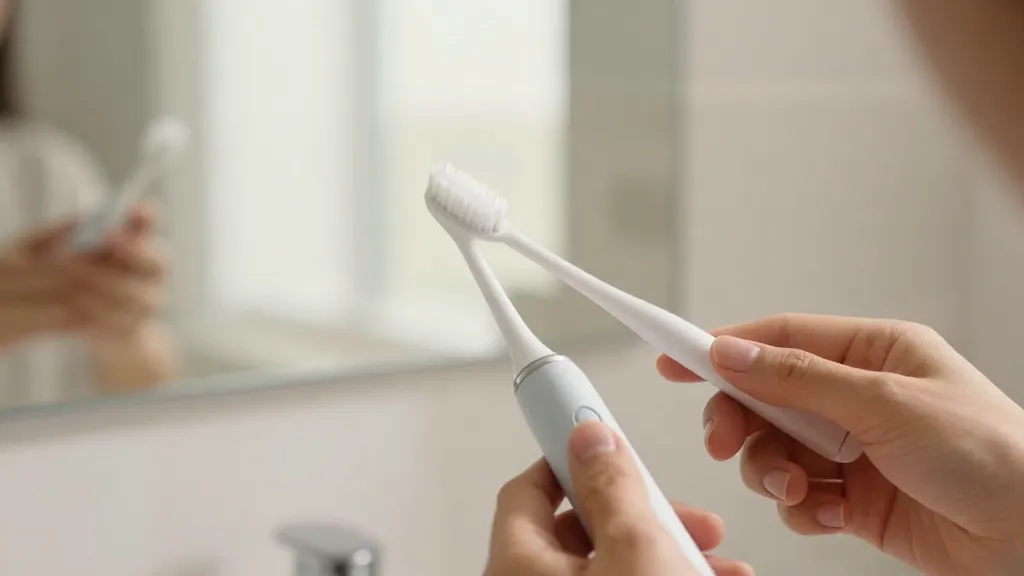
Your toothbrush could be sitting in your bathroom right now, quietly waiting to become one of your most powerful weapons against dementia. While millions of people focus on complex brain-training apps and expensive supplements, groundbreaking research suggests the simple act of brushing your teeth three times daily might offer remarkable protection against cognitive decline.
The Shocking Connection Between Your Mouth and Your Mind
Recent findings reveal that maintaining excellent dental hygiene isn’t just about keeping your smile bright—it could be safeguarding your brain from one of the most feared conditions of aging. Experts now warn that good oral health practices are linked to lower risks of dementia and more than 50 other serious health conditions.
The mechanism behind this connection centers on the dangerous bacteria that accumulate in poorly maintained mouths. These harmful microorganisms don’t stay confined to your teeth and gums—they can travel throughout your body, potentially reaching your brain and triggering inflammatory processes that may contribute to cognitive decline.
Britain’s Dental Health Crisis Puts Millions at Risk
The urgency of this message becomes even more critical when considering the current state of oral health across Britain. Dental experts are sounding alarm bells about what they describe as “third-world” levels of oral hygiene among the British population.
This concerning assessment suggests that millions of people may be unknowingly increasing their risk of dementia and dozens of other serious health conditions simply through neglecting their daily dental care routine.
What Poor Oral Health Could Be Costing You
The research indicates that inadequate dental hygiene may be associated with increased risks for:
- Dementia and cognitive decline
- Heart disease and cardiovascular complications
- Diabetes complications
- Respiratory infections
- Stroke risk
- More than 45 additional serious health conditions
The Three-Times-Daily Rule That Could Change Everything
Dental health experts are now recommending that people brush their teeth up to three times daily as an optimal approach for both oral health and potential cognitive protection. This goes beyond the traditional twice-daily recommendation that most people grew up with.
The enhanced brushing schedule aims to minimize the bacterial load in the mouth throughout the day, reducing the opportunity for harmful microorganisms to establish themselves and potentially migrate to other parts of the body.
Beyond Brushing: Building a Brain-Protective Oral Care Routine
While the three-times-daily brushing recommendation forms the foundation of this protective approach, comprehensive oral health involves several key components. Regular flossing, using antimicrobial mouthwash, and maintaining consistent dental checkups all contribute to the overall health picture.
The research suggests that consistency matters more than perfection—establishing sustainable daily habits that you can maintain long-term appears to be more beneficial than sporadic intensive care.
The Science Behind the Connection
Researchers have identified several pathways through which oral health may influence brain health. Chronic inflammation caused by gum disease can trigger systemic inflammatory responses throughout the body. Additionally, the bacteria responsible for periodontal disease have been detected in brain tissue of individuals with Alzheimer’s disease, though the exact causal relationships are still being studied.
While the research shows strong associations between oral health and cognitive outcomes, experts emphasize that this represents correlation rather than definitive causation. However, the mounting evidence suggests these connections are significant enough to warrant serious attention to dental hygiene as part of overall health maintenance.
Taking Action: Simple Steps for Maximum Protection
The beauty of this research lies in its accessibility—unlike many health interventions that require expensive treatments or dramatic lifestyle changes, improving oral hygiene is something virtually everyone can implement immediately.
Starting with the basic three-times-daily brushing routine, individuals can gradually build more comprehensive oral care habits. The key is consistency and making these practices as automatic as other daily routines like showering or getting dressed.
For those concerned about the current state of British oral health, this research offers both a wake-up call and a pathway forward. Your daily dental routine might be doing far more than protecting your teeth—it could be safeguarding your mind for decades to come.