
Doctor Reveals 5 Common Medications You Should Throw Away During Spring Cleaning
A physician warns that five medications commonly found in medicine cabinets should be discarded immediately. Spring cleaning just got more important for your health.
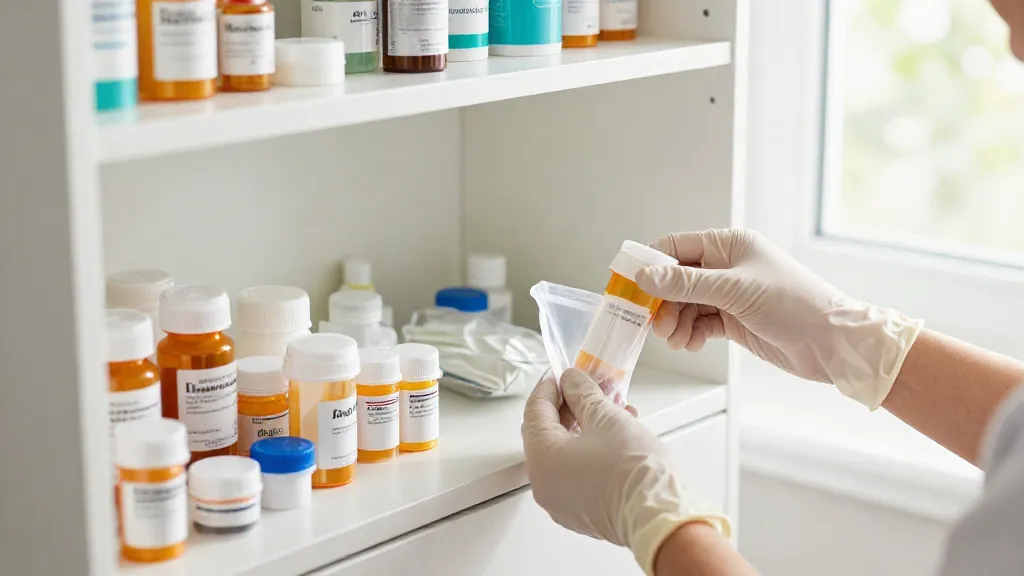
Spring is here, and while you’re busy decluttering closets and scrubbing baseboards, there’s one area of your home that desperately needs attention—but most people completely ignore it. Your medicine cabinet might look more like a pharmaceutical museum than a functional health resource, and according to medical experts, that could be putting your family at risk.
Dr. Trisha Pasricha recently highlighted a concerning trend: many of us are hoarding medications that should have been discarded long ago. During her annual spring cleaning routine, she makes it a point to inventory medicine cabinets, and what she finds is alarming. From half-empty bottles of sinus medication from “the winter-that-shall-not-be-named” to prescription drugs shoved to the back of drawers “just in case,” our medicine storage habits need a serious overhaul.
Why Your Medicine Cabinet Needs Spring Cleaning
Most people treat their medicine cabinet like a time capsule, rarely checking expiration dates or questioning whether old medications are still safe to use. This seemingly harmless habit can lead to serious health consequences, from reduced medication effectiveness to potential poisoning risks.
Medical professionals emphasize that medication safety isn’t just about checking expiration dates—it’s about understanding which types of drugs pose the greatest risks when kept past their prime or stored improperly.
The Five Medications to Discard Immediately
While the specific details of which five medications pose the greatest risks weren’t fully detailed in available reports, medical experts consistently warn against keeping certain categories of drugs in home medicine cabinets. Healthcare professionals generally advise removing medications that have been:
- Stored for extended periods without use
- Exposed to humidity and temperature fluctuations
- Left over from completed treatment courses
- Prescribed for conditions that no longer exist
- Shared between family members inappropriately
What to Watch For During Your Medicine Cabinet Audit
When conducting your spring cleaning medication review, health experts recommend looking for these red flags:
• Expired prescription medications • Over-the-counter drugs with faded or damaged labels • Liquid medications that have changed color or consistency • Pills that appear cracked, discolored, or crumbling • Any medication you can’t identify or remember the purpose for
The Hidden Dangers of Medication Hoarding
Reports suggest that keeping outdated medications poses multiple risks beyond simple ineffectiveness. Observers note that degraded medications can sometimes become toxic, while others may lose potency entirely, leading people to take ineffective treatments for serious conditions.
The practice of saving “leftover” prescription medications is particularly problematic, as it can lead to inappropriate self-medication or sharing drugs with family members who may have different medical needs or drug sensitivities.
Safe Disposal Methods
Simply throwing medications in the trash or flushing them down the toilet isn’t the answer. Many communities now offer medication take-back programs, especially during National Prescription Drug Take Back events. Pharmacies and hospitals often maintain secure disposal sites year-round.
For immediate disposal needs, medical professionals recommend mixing medications with unappetizing substances like coffee grounds or cat litter, sealing them in containers, and then discarding them with regular household waste.
Creating Better Medication Management Habits
The solution isn’t just about what to throw away—it’s about developing better systems for managing medications going forward. Healthcare providers recommend conducting quarterly medicine cabinet reviews, properly storing medications in cool, dry places away from bathrooms, and maintaining a simple inventory system.
Consider this spring cleaning session as an opportunity to establish new habits that prioritize medication safety year-round. Your future self (and your family’s health) will thank you for taking these proactive steps now.