
Everything You've Been Told About Aging Joints Might Be Wrong
New expert research challenges the widespread belief that joint pain is inevitable with aging, revealing that movement and activity matter more than your birth year.
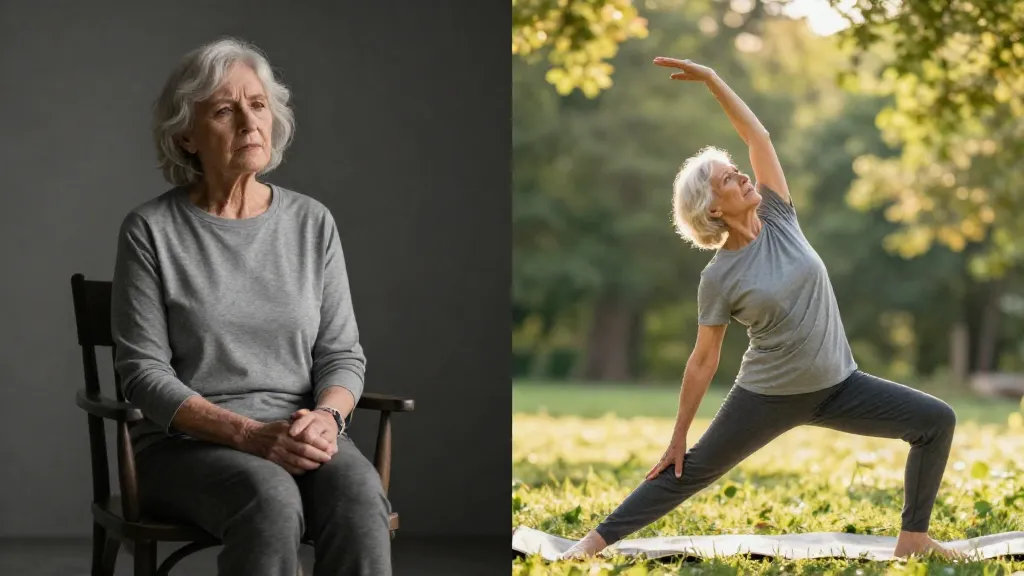
Stiff knees, aching hips, and the slow grind of chronic joint pain are often accepted as an unavoidable part of getting older. But what if this widely held belief is actually holding millions of people back from living their best lives? New expert insights are challenging everything we thought we knew about aging joints, and the revelations might just change how you approach your golden years.
The Great Joint Pain Myth
For decades, we’ve been conditioned to expect our bodies to betray us as the calendar pages turn. The narrative goes something like this: hit your 40s, and your knees start creaking; reach 60, and your hips begin their rebellion. But experts are now suggesting this fatalistic view of aging joints might be doing more harm than good.
The assumption that joint pain is an inevitable consequence of aging has become so deeply ingrained in our collective consciousness that many people simply accept discomfort as their new normal. This resignation often leads to a dangerous cycle: less movement due to expected pain, which actually contributes to more joint problems down the line.
Movement as Medicine
The emerging research reveals a surprising truth: activity and movement matter far more than your birth year when it comes to joint health. While we can’t completely stop the aging process, the idea that our joints are destined to fail us appears to be largely unfounded.
This paradigm shift puts the power back in our hands. Instead of viewing ourselves as victims of time, we can take an active role in maintaining joint health throughout our lives. The evidence suggests that staying mobile and engaged in physical activity may be one of the most powerful tools we have against joint deterioration.
What the Experts Are Saying
Reports suggest that the medical community is increasingly recognizing the role of lifestyle factors in joint health. Rather than focusing solely on age-related wear and tear, professionals are looking more closely at patterns of movement, activity levels, and overall physical engagement.
The research indicates that people who maintain active lifestyles often experience better joint function regardless of their age. This doesn’t mean intense athletic training is required – even moderate, consistent movement appears to play a crucial protective role.
Key Signs Your Joints Need More Movement
Observers note several indicators that suggest joint issues may be more about inactivity than aging:
• Morning stiffness that improves with gentle movement • Joint discomfort that worsens after prolonged sitting • Increased pain during periods of reduced activity • Improved mobility after light exercise or stretching
The Activity-Joint Health Connection
The relationship between movement and joint health appears to be more complex than previously understood. While excessive stress on joints can certainly cause problems, the complete absence of movement may be equally damaging.
Regular activity helps maintain the delicate balance of joint function by promoting circulation, maintaining flexibility, and supporting the muscles that stabilize our joints. When we stop moving, this entire system begins to deteriorate – not necessarily because we’re getting older, but because we’re not giving our bodies what they need to function optimally.
Breaking Free from Age-Related Assumptions
This new understanding offers hope for millions who have resigned themselves to a future of joint pain and limited mobility. The message is clear: your age doesn’t have to dictate your joint health, and it’s never too late to start moving in ways that support your body.
The key is finding the right balance – enough activity to maintain joint health without overdoing it. This might look different for everyone, but the principle remains the same: movement is medicine, and our joints are designed to be used, not preserved in stillness.
Looking Forward
As this research continues to develop, it’s becoming increasingly clear that our approach to aging and joint health needs a fundamental shift. Instead of accepting pain and stiffness as inevitable, we can focus on maintaining activity levels and supporting our bodies through movement.
The implications are profound: if joint pain isn’t primarily about aging, then we have far more control over our physical future than we ever imagined. This isn’t just good news for those currently dealing with joint issues – it’s a call to action for anyone who wants to age actively and maintain their quality of life for years to come.