
German Study: Just 2 Days of Oatmeal Lowers Bad Cholesterol by 10%
New German research reveals that eating oats for just 48 hours can reduce LDL cholesterol by 10% and lower diabetes risk in people with metabolic syndrome. This simple dietary intervention offers a quick, accessible way to boost heart health.
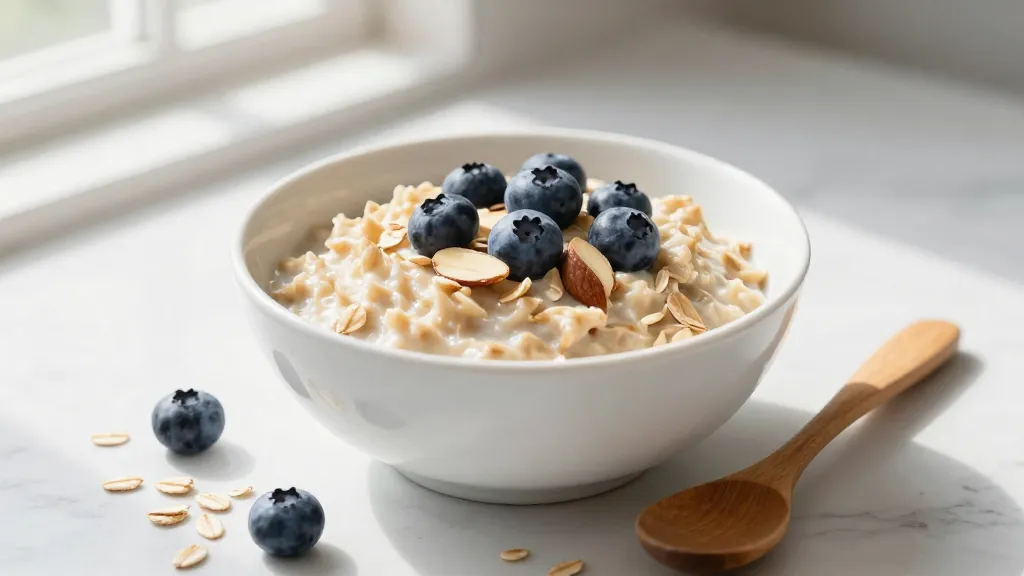
Could improving your heart health be as simple as eating oatmeal for breakfast and lunch? New German research suggests that this humble grain might be one of the most powerful—and fastest-acting—tools in your kitchen for fighting bad cholesterol. The findings reveal that just 48 hours of oat consumption can deliver measurable cardiovascular benefits that typically take weeks or months to achieve through other dietary changes.
The 48-Hour Heart Health Revolution
The German study tracked participants who incorporated oats into their meals for just two consecutive days. What researchers discovered was nothing short of remarkable: LDL cholesterol—the “bad” type that clogs arteries and increases heart disease risk—dropped by approximately 10% in this incredibly short timeframe.
This isn’t just a minor statistical blip. A 10% reduction in LDL cholesterol represents a clinically significant improvement that cardiologists typically celebrate when achieved through months of dietary modifications or medication adjustments.
Beyond Cholesterol: The Diabetes Connection
The benefits extended far beyond cholesterol management. Study participants with metabolic syndrome—a cluster of conditions including high blood pressure, elevated blood sugar, and excess abdominal fat—showed reduced diabetes risk after their brief oat intervention.
Metabolic syndrome affects millions of people worldwide and dramatically increases the likelihood of developing type 2 diabetes and cardiovascular disease. The fact that such a simple dietary change could meaningfully impact this complex condition has researchers taking notice.
What Makes Oats So Powerful?
The secret lies in oats’ unique fiber composition, particularly beta-glucan—a soluble fiber that acts like a cholesterol-absorbing sponge in your digestive system. When you eat oats, beta-glucan forms a gel-like substance that binds to cholesterol-rich bile acids, forcing your body to use existing cholesterol to make new bile acids and effectively lowering overall cholesterol levels.
The Two-Day Challenge: What to Watch For
If you’re considering trying this approach, here are key factors to monitor:
- Choose steel-cut or rolled oats over instant varieties for maximum fiber content
- Incorporate oats into multiple meals throughout each day
- Avoid adding excessive sugar or high-fat toppings that could counteract benefits
- Stay hydrated, as increased fiber intake requires adequate water consumption
- Track how you feel—some people experience improved energy and satiety
Why This Matters Now
In an era where heart disease remains the leading cause of death globally, accessible interventions that deliver rapid results could be game-changing. Unlike expensive supplements or complex meal plans, oatmeal is affordable, widely available, and requires no special preparation skills.
The speed of these results also addresses a common challenge in health behavior change: the long wait for visible benefits. When people can see measurable improvements in just two days, they’re more likely to continue healthy habits long-term.
The Bigger Picture
While these findings are promising, researchers note that individual results may vary based on baseline cholesterol levels, overall diet quality, and metabolic factors. The study focused specifically on people with metabolic syndrome, so the effects might differ in individuals with normal metabolic profiles.
What’s particularly encouraging is that this research builds on decades of evidence supporting oats’ cardiovascular benefits. Previous studies have shown that regular oat consumption can lower cholesterol over weeks and months—this German research simply demonstrates that the effects begin much sooner than previously understood.
The implications extend beyond individual health choices. If a two-day oat intervention can deliver these results, imagine the potential impact of incorporating oats regularly into your routine. The researchers suggest that this brief intervention could serve as a powerful motivational tool, giving people immediate feedback on how dietary changes affect their health markers.
As we await more detailed findings from this German study, one thing is clear: the path to better heart health might be sitting right there in your pantry, waiting to transform your cardiovascular profile in just 48 hours.