
Getting Winded on Stairs? Your Body Might Be Warning You About This Hidden Health Issue
That breathlessness when climbing stairs could be more than just being out of shape—it might signal underlying cardiovascular or respiratory issues your doctor needs to know about.
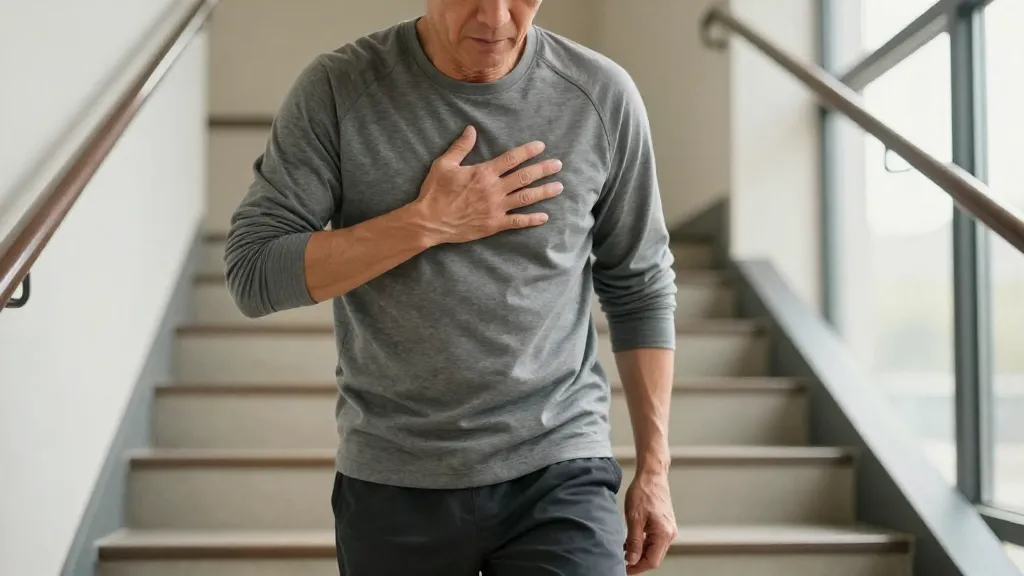
You’re halfway up the staircase when it hits you—that familiar burning in your chest, the desperate need to catch your breath, and the sudden realization that maybe you should have taken the elevator. While most of us have experienced this moment of breathlessness, that uncomfortable feeling might be your body’s way of sending you an important message about your health.
Getting winded on stairs is incredibly common, but when does normal exertion cross the line into something worth discussing with your doctor? The answer might surprise you—and could potentially save your life.
When “Normal” Breathlessness Becomes a Red Flag
We’ve all been there: racing up a flight of stairs only to arrive at the top feeling like we’ve just run a marathon. For many people, this is simply the result of sudden physical exertion, especially if you’ve been living a more sedentary lifestyle. Your heart rate spikes, your muscles demand more oxygen, and your lungs work overtime to meet the demand.
But here’s where it gets interesting—and potentially concerning. Reports suggest that persistent or disproportionate breathlessness during relatively mild activities like stair climbing could signal underlying cardiovascular or respiratory issues that deserve medical attention.
The key distinction lies in the severity and context of your symptoms. If you’re consistently struggling with stairs that you used to handle easily, or if you’re experiencing breathlessness that seems out of proportion to the effort required, your body might be trying to tell you something important.
Hidden Health Issues That Could Be at Play
Cardiovascular Concerns
Your heart is essentially a pump, and when it’s not working at optimal efficiency, simple activities like climbing stairs can become surprisingly challenging. Observers note that conditions affecting heart function can manifest as exercise intolerance long before more obvious symptoms appear.
When your cardiovascular system struggles to deliver oxygen-rich blood to your muscles efficiently, even moderate physical demands can leave you gasping for air. This could potentially indicate various heart-related issues that benefit from early detection and management.
Respiratory System Red Flags
Your lungs play a crucial role in getting oxygen into your bloodstream and removing carbon dioxide. When respiratory function is compromised, activities that increase your oxygen demand—like stair climbing—can quickly become uncomfortable or difficult.
Various respiratory conditions can affect your ability to breathe efficiently during physical activity, and stair climbing often serves as an early indicator that something might need medical evaluation.
What to Watch For
Pay attention to these warning signs that suggest your stair-climbing breathlessness might warrant a conversation with your healthcare provider:
- Breathlessness that seems disproportionate to the physical effort
- Symptoms that persist or worsen over time
- Accompanying chest pain, dizziness, or heart palpitations
- Difficulty that’s new or different from your usual experience
- Breathlessness that occurs with minimal exertion
The Power of Early Detection
Here’s the encouraging news: recognizing these symptoms early can be incredibly valuable for your long-term health. Many cardiovascular and respiratory conditions respond much better to treatment when caught in their earlier stages, before they progress to more serious complications.
Rather than dismissing your breathlessness as simply being “out of shape,” consider it an opportunity to check in with your body and potentially catch health issues before they become major problems.
Taking Action Without Panic
If you’re recognizing yourself in this description, don’t panic—but don’t ignore it either. The goal isn’t to turn every flight of stairs into a source of anxiety, but rather to empower yourself with the knowledge that your body’s signals matter and deserve attention.
When to Seek Professional Guidance
Healthcare providers are equipped to evaluate your symptoms in context, considering your overall health history, lifestyle factors, and other potential contributing elements. They can help determine whether your stair-climbing struggles are within the normal range or if further investigation might be beneficial.
The beauty of addressing these concerns proactively is that you’re taking control of your health narrative rather than waiting for more serious symptoms to develop.
Your Body’s Early Warning System
Think of breathlessness during stair climbing as your body’s early warning system—a gentle nudge that it might be time for a health check-up. While it’s certainly possible that you simply need to increase your fitness level, it’s equally possible that addressing underlying health issues could dramatically improve your quality of life.
The next time you find yourself winded on the stairs, take a moment to listen to what your body might be telling you. That simple act of awareness could be the first step toward better health and peace of mind.
Remember, you know your body better than anyone else. If something feels different or concerning, trust that instinct and seek professional guidance. Your future self will thank you for paying attention to these early signals and taking proactive steps toward optimal health.