
Millions Dread Allergy Season—But These Science-Backed Tricks Cut Symptoms in Half
As spring pollen peaks, dermatologists and allergists reveal evidence-based tactics that can dramatically reduce seasonal allergy suffering for millions of Americans.
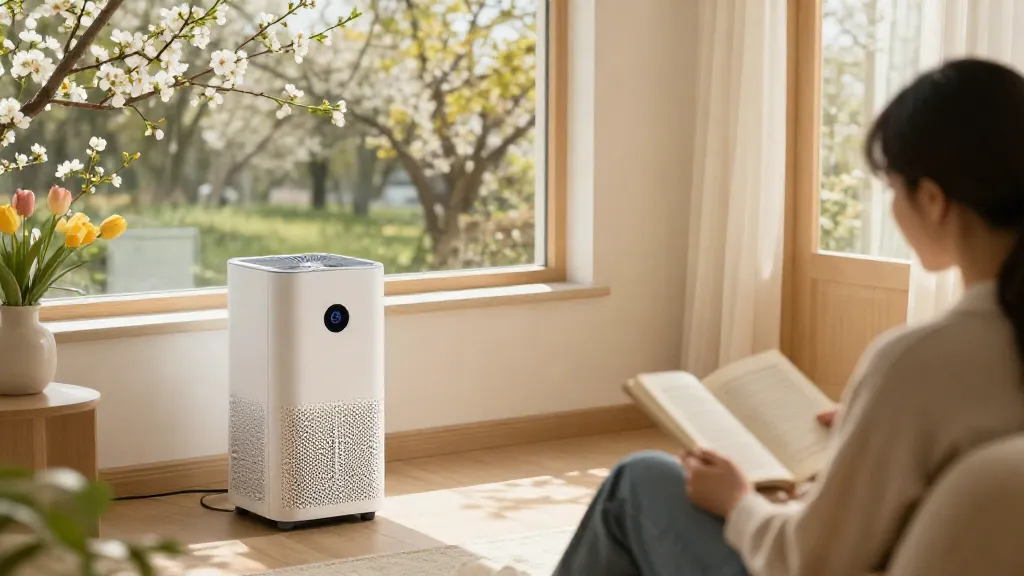
Spring has arrived, and with it comes the dreaded symphony of sneezing, sniffling, and itchy eyes that affects tens of millions of Americans. While allergy season can feel like an inevitable march of misery, emerging research suggests that strategic timing and simple environmental adjustments can dramatically reduce your suffering—sometimes cutting symptoms in half without reaching for expensive treatments.
The Science Behind Strategic Timing
The key to winning the allergy battle often lies not in what you do, but when you do it. Medical experts increasingly emphasize that timing can be just as crucial as medication when it comes to managing seasonal allergies.
Reports suggest that taking preventive measures before symptoms peak—rather than reacting after they’ve already started—can significantly improve outcomes. This proactive approach allows your body’s defenses to prepare for the onslaught of tree, grass, and other pollens that trigger the cascade of runny noses, itchy eyes, coughing, and sneezing.
Pre-Season Preparation Makes the Difference
Observers note that many allergy sufferers make the mistake of waiting until they’re already miserable to take action. However, starting protective measures before pollen counts surge appears to be far more effective than playing catch-up once symptoms have taken hold.
Environmental Management: Your First Line of Defense
Simple changes to your immediate environment can serve as powerful shields against airborne allergens. These modifications don’t require expensive equipment or major lifestyle overhauls—just strategic thinking about how and when you interact with the outdoors.
Indoor Air Quality Control
Managing your indoor environment becomes crucial during peak allergy season. Key strategies include:
- Keeping windows closed during high pollen days
- Using air purifiers with HEPA filters in bedrooms and main living areas
- Changing HVAC filters more frequently during allergy season
- Showering and changing clothes after spending time outdoors
- Washing bedding in hot water weekly to eliminate accumulated allergens
Behavioral Changes That Rival Medication
For those dealing with mild to moderate allergies, research indicates that simple behavioral modifications can be as effective as over-the-counter medications. These strategies focus on minimizing exposure rather than treating symptoms after the fact.
Timing Your Outdoor Activities
Pollen counts typically peak during specific times of day and weather conditions. Understanding these patterns allows you to schedule outdoor activities when your exposure will be minimal, rather than avoiding the outdoors entirely.
Morning hours often see higher pollen concentrations, while late evening may offer some relief. Rainy days naturally wash pollen from the air, creating temporary windows of opportunity for outdoor enthusiasts.
The Half-Symptom Solution
While individual results vary, medical professionals report that combining strategic timing with environmental management can reduce allergy symptoms by approximately 50% for many sufferers. This dramatic improvement often occurs without increasing medication use or requiring expensive interventions.
The effectiveness of these approaches appears to stem from their preventive nature—stopping allergens from reaching your system in the first place, rather than trying to counteract them after exposure has already occurred.
Beyond the Quick Fixes
Though immediate relief strategies grab attention, the most successful allergy management typically involves consistent, long-term habits rather than desperate last-minute interventions. Building these practices into your routine before allergy season peaks creates a foundation for sustained comfort throughout the challenging months ahead.
As pollen counts continue to rise across the country, millions of Americans face the annual choice between suffering through symptoms or taking control of their environment. The evidence increasingly suggests that smart timing and simple environmental tweaks offer a path toward significantly better days—no prescription required.