
Nearly Half of Americans Have Hypertension But Aren't Managing It, New Study Reveals
A shocking new study exposes that millions of Americans with high blood pressure are taking zero action to control it. You could be one of them and not even know it.
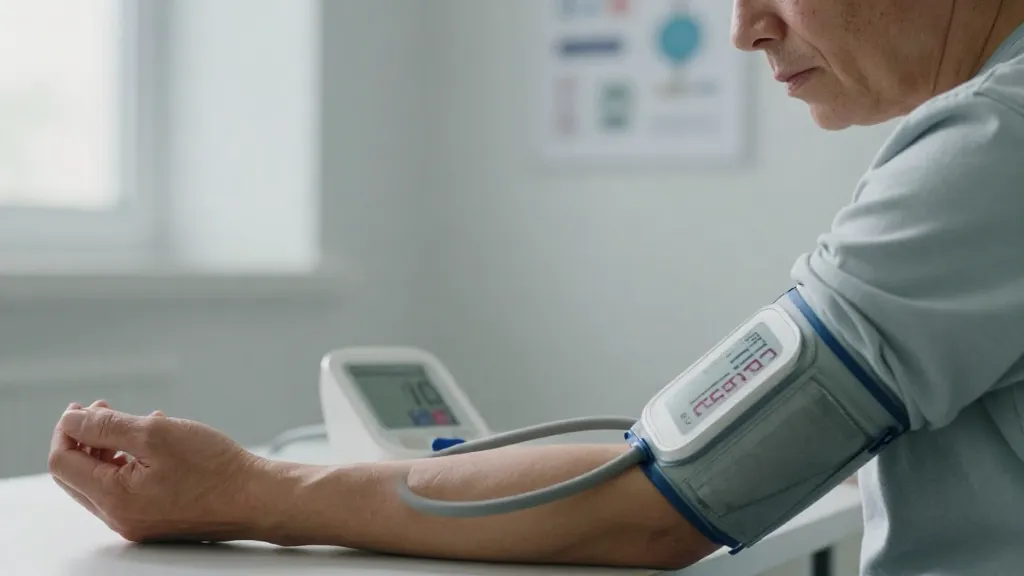
You’re sitting there reading this, feeling perfectly fine, maybe even proud of your latest gym session or healthy meal choice. But here’s a sobering reality check: there’s nearly a 50% chance you have a silent killer coursing through your veins right now—and an even higher chance you’re doing absolutely nothing about it.
A new study has revealed a shocking truth about America’s relationship with hypertension, commonly known as high blood pressure. Nearly half of all Americans are walking around with this dangerous condition, yet the vast majority aren’t taking any meaningful steps to control it. This isn’t just a statistic—it’s a ticking time bomb affecting millions of families across the country.
The Silent Epidemic Hiding in Plain Sight
Hypertension has earned its nickname as the “silent killer” for good reason. Unlike other health conditions that announce themselves with obvious symptoms, high blood pressure often operates completely under the radar. You can feel energetic, look healthy, and maintain your normal routine while your cardiovascular system slowly deteriorates.
The new research suggests that most Americans with hypertension don’t have their condition under control. This revelation exposes a critical gap between diagnosis and action—a gap that could have life-threatening consequences for millions of people.
Why Aren’t People Taking Action?
The Awareness Problem
Many people simply don’t know they have hypertension. Without regular blood pressure checks, this condition can remain undetected for years. Even when people do get their blood pressure measured during routine doctor visits, the numbers might not sink in or seem immediately concerning.
The Motivation Gap
Reports suggest that even among those who know they have high blood pressure, many fail to take consistent action. This could stem from several factors:
- The absence of immediate, noticeable symptoms
- Underestimating the long-term health risks
- Difficulty maintaining lifestyle changes
- Inconsistent medication adherence
- Cost barriers to treatment and monitoring
The Stakes Couldn’t Be Higher
Uncontrolled hypertension significantly increases the risk of serious cardiovascular events. We’re talking about heart attacks, strokes, kidney disease, and other life-altering conditions that can strike without warning. The cardiovascular system isn’t designed to handle sustained high pressure, and over time, this stress takes a devastating toll.
What to Watch For
While hypertension often presents no symptoms, some warning signs may include:
- Frequent headaches
- Dizziness or lightheadedness
- Chest pain
- Shortness of breath
- Visual changes
Breaking the Cycle of Inaction
The good news is that hypertension is highly manageable when people commit to addressing it. Lifestyle modifications can make a significant difference, and modern medications are more effective and tolerable than ever before.
Small Changes, Big Impact
Observers note that even modest improvements in diet, exercise, and stress management can lead to meaningful reductions in blood pressure. The key is consistency and a long-term perspective on health management.
A Wake-Up Call for America
This study serves as a crucial reminder that healthcare isn’t just about treating problems after they occur—it’s about preventing them in the first place. The fact that nearly half of Americans have hypertension while most aren’t actively managing it represents a public health crisis hiding in plain sight.
The time for complacency has passed. Whether you’re among the nearly 50% with diagnosed hypertension or someone who hasn’t checked their blood pressure recently, this research should serve as a powerful motivator to take control of your cardiovascular health.
Your blood pressure numbers aren’t just medical data—they’re a window into your future health and longevity. The question isn’t whether you can afford to take action; it’s whether you can afford not to.