
Rare Parasitic Eye Disease That Can Cause Blindness Targets Contact Lens Wearers
Acanthamoeba keratitis, a devastating parasitic infection, primarily affects contact lens users and can lead to permanent blindness. Health experts reveal critical prevention strategies and warning signs everyone should know.
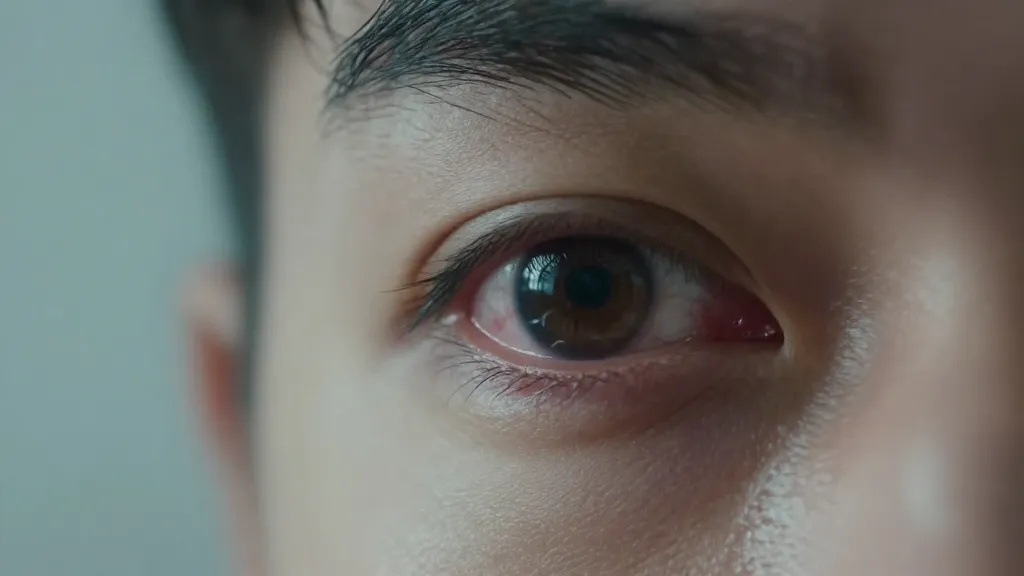
Contact lens wearers face a hidden danger that could steal their sight forever. Acanthamoeba keratitis, a devastating parasitic infection that primarily targets those who wear contacts, represents one of the most serious threats to eye health that most people have never heard of. While rare, this aggressive disease can cause permanent blindness and excruciating pain, making prevention absolutely critical for the millions who rely on contact lenses daily.
What Is Acanthamoeba Keratitis?
Acanthamoeba keratitis is a parasitic infection that attacks the cornea—the clear front surface of the eye. The culprit is a microscopic organism called Acanthamoeba, which naturally occurs in water, soil, and other environments. When this parasite finds its way into the eye, it can cause severe inflammation and progressive damage that may result in permanent vision loss.
Reports suggest this condition disproportionately affects contact lens wearers, though the exact mechanisms of how the parasite gains entry into the eye through contact lens use remain an area of ongoing medical research.
The Devastating Impact on Vision
The infection doesn’t just threaten sight—it can cause intense, unrelenting pain that many patients describe as unbearable. The parasite literally feeds on corneal tissue, creating a progressive deterioration that can advance rapidly without proper treatment.
Medical experts note that early intervention is crucial, as delayed treatment significantly increases the risk of permanent complications including:
- Severe scarring of the cornea
- Complete vision loss in the affected eye
- Need for corneal transplantation
- Chronic pain and sensitivity to light
Critical Warning Signs to Watch For
Contact lens wearers should be alert to these potential symptoms of Acanthamoeba keratitis:
- Severe eye pain that seems disproportionate to other symptoms
- Excessive tearing or discharge
- Blurred or decreased vision
- Sensitivity to light
- Feeling of something foreign in the eye
- Red, inflamed appearance
Healthcare professionals emphasize that these symptoms can initially resemble more common eye infections, which often leads to misdiagnosis and delayed appropriate treatment.
Prevention Strategies That Could Save Your Sight
Observers note that most cases of Acanthamoeba keratitis are preventable with proper contact lens hygiene and care. The key prevention measures include:
Proper Contact Lens Hygiene
Never use tap water, saliva, or any non-sterile solution to clean or store contact lenses. Always use fresh contact lens solution and replace it regularly. The storage case should be cleaned and replaced according to manufacturer recommendations.
Avoid Water Exposure While Wearing Contacts
Remove contact lenses before swimming, showering, or using hot tubs. Water sources can harbor the Acanthamoeba parasite, and wearing contacts during water activities significantly increases infection risk.
Follow Replacement Schedules
Replace contact lenses according to the prescribed schedule, whether daily, weekly, or monthly. Extended wear beyond recommended timeframes increases the risk of various complications, including parasitic infections.
Treatment Challenges and Medical Response
When Acanthamoeba keratitis is diagnosed, treatment typically involves specialized antimicrobial medications that must be applied frequently over extended periods. Medical professionals report that treatment can be lengthy and complex, often requiring months of intensive therapy.
The challenge lies in both accurate diagnosis and the organism’s resistance to many standard treatments. Some cases may require surgical intervention, including corneal transplantation in severe instances where the infection has caused irreversible damage.
The Broader Context of Contact Lens Safety
This parasitic infection highlights the broader importance of contact lens safety practices. While millions of people wear contacts safely every day, understanding and following proper hygiene protocols remains essential for preventing not just Acanthamoeba keratitis, but other serious eye infections as well.
Healthcare experts continue to stress that contact lenses, when used properly, are generally safe and effective vision correction tools. However, the potential for serious complications like Acanthamoeba keratitis underscores why proper education and adherence to safety guidelines cannot be overlooked.
For contact lens wearers experiencing any concerning eye symptoms, immediate consultation with an eye care professional is crucial. Early detection and proper treatment can mean the difference between full recovery and permanent vision loss.