
Scientists Discover Common Grocery Store Vegetables That Slash Colon Cancer Risk by Half
New research reveals how cruciferous vegetables like broccoli and kale dramatically reduce colon cancer risk, with simple preparation tips anyone can follow. The findings offer an accessible, science-backed way to protect your health through everyday food choices.
Your next grocery run could be one of the most powerful cancer-fighting moves you make this year. Scientists have uncovered compelling evidence that a family of common vegetables—ones you’ve probably walked past dozens of times in the produce aisle—may slash your colon cancer risk by as much as half.
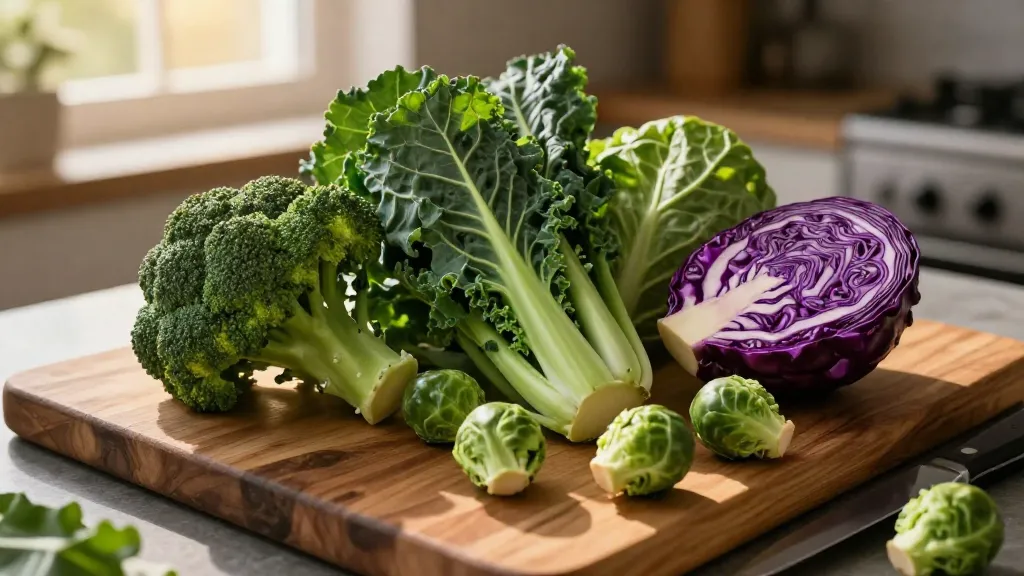
The breakthrough centers on cruciferous vegetables, a group that includes everyday favorites like broccoli, kale, cauliflower, and Brussels sprouts. While nutritionists have long praised these vegetables for their health benefits, new research is revealing just how profound their protective effects against colon cancer may be.
The Science Behind the Protection
Cruciferous vegetables contain unique compounds called glucosinolates, which break down into powerful cancer-fighting substances when you chew them. These compounds appear to work on multiple levels, potentially helping to neutralize carcinogens and support the body’s natural detoxification processes.
Research suggests that people who regularly consume cruciferous vegetables show significantly lower rates of colon cancer compared to those who rarely eat them. The protective effect appears to be dose-dependent, meaning the more you eat, the greater the potential benefit.
Which Vegetables Pack the Biggest Punch
Not all cruciferous vegetables are created equal when it comes to cancer protection. Reports indicate that certain varieties may offer enhanced benefits:
- Broccoli and broccoli sprouts - contain high levels of sulforaphane, a particularly potent compound
- Kale - provides a concentrated dose of cancer-fighting nutrients
- Cauliflower - offers versatility in preparation while maintaining protective properties
- Brussels sprouts - pack dense nutrition in small packages
- Cabbage - an affordable option with significant health benefits
Making Cruciferous Vegetables Actually Taste Good
The biggest hurdle for many people isn’t knowing which vegetables to eat—it’s making them taste appealing enough to eat regularly. Food scientists and nutritionists have identified several preparation methods that not only preserve the cancer-fighting compounds but actually enhance them.
Smart Cooking Techniques
Light steaming appears to be one of the best methods for maintaining the vegetables’ protective properties while improving digestibility. Overcooking can destroy many of the beneficial compounds, so aim for vegetables that are tender but still have a slight bite.
Roasting at high heat with a drizzle of olive oil can transform even the most maligned vegetables like Brussels sprouts into crispy, caramelized treats that convert even longtime skeptics.
Flavor Boosting Strategies
Adding garlic, ginger, or lemon juice not only enhances taste but may also boost the absorption of beneficial compounds. These flavor enhancers contain their own protective substances, creating a synergistic effect.
Incorporating cruciferous vegetables into familiar dishes—like adding cauliflower to mac and cheese or blending kale into smoothies—can make the transition easier for those new to these vegetables.
The Accessibility Factor
Perhaps the most encouraging aspect of this research is how accessible these cancer-fighting foods are. Unlike expensive supplements or specialized treatments, cruciferous vegetables are available in virtually every grocery store and farmers market across the country.
Most varieties are relatively affordable, especially when purchased seasonally or frozen. This means that cancer prevention through diet isn’t limited to those with significant disposable income—it’s a strategy available to nearly everyone.
What the Experts Recommend
While researchers continue to study the optimal amounts, observers note that even modest increases in cruciferous vegetable consumption may offer meaningful protection. The key appears to be consistency rather than perfection—incorporating these vegetables into your routine several times per week rather than attempting dramatic dietary overhauls.
Health experts emphasize that this isn’t about replacing medical care or screenings, but rather about adding another layer of protection through informed food choices. The beauty of this approach lies in its simplicity and the fact that the “side effects” are entirely positive—better overall nutrition, increased fiber intake, and a more varied diet.
Taking Action Today
The path from research to real-world impact starts with your next meal. Whether you’re adding a handful of kale to your morning smoothie, roasting Brussels sprouts for dinner, or experimenting with cauliflower rice, each serving represents a proactive step toward better health.
The science is clear: the vegetables sitting in your local grocery store may hold remarkable power to protect against one of the most common cancers. The question isn’t whether you can afford to add more cruciferous vegetables to your diet—it’s whether you can afford not to.