
Scientists Discover How the MIND Diet Actually Slows Your Brain's Aging Clock
A groundbreaking analysis reveals the MIND diet may protect against dementia by slowing biological aging at the cellular level, offering hope for brain health without extreme dietary restrictions.
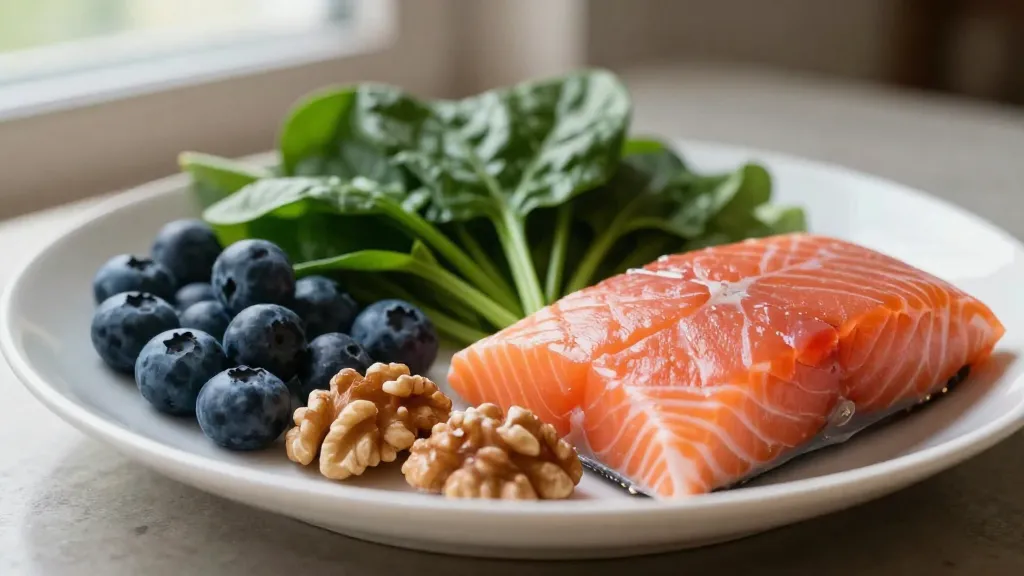
What if the secret to keeping your brain young isn’t found in expensive supplements or extreme lifestyle overhauls, but simply in choosing the right foods at your next meal? Recent research suggests that a specific eating pattern called the MIND diet might literally slow down your brain’s biological aging clock—and the science behind it is more fascinating than you might expect.
The Revolutionary Discovery About Diet and Brain Aging
A large-scale analysis has uncovered compelling evidence that the MIND diet may protect against dementia and cognitive decline by targeting biological aging at the cellular level. This isn’t just about eating “brain food”—researchers have identified actual biological pathways that explain how certain dietary choices can shield your brain from the ravages of time.
The findings come at a critical moment when ultra-processed foods are being linked to higher rates of dementia and anxiety, creating an urgent need for protective dietary strategies that people can actually follow.
What Makes the MIND Diet Different
The MIND diet stands for Mediterranean-DASH Intervention for Neurodegenerative Delay, combining elements of two already well-researched eating patterns. Unlike restrictive diets that eliminate entire food groups, the MIND approach focuses on incorporating specific brain-protective foods while limiting others.
The beauty of this approach lies in its accessibility—it doesn’t require exotic ingredients or complicated meal prep routines that most people can’t sustain long-term.
The Cellular-Level Protection Mechanism
What makes this research particularly groundbreaking is how it reveals the biological mechanisms at work. The analysis suggests that the MIND diet doesn’t just correlate with better brain health—it actually influences the aging process within brain tissue itself.
This represents a shift from viewing diet as simply “fuel” for the brain to understanding it as a powerful tool that can modify biological aging pathways. The implications extend far beyond basic nutrition, touching on fundamental questions about how we can influence our own aging process.
Key Protective Elements to Watch For
When considering brain-protective eating patterns, research points to several important factors:
- Emphasis on leafy greens and vegetables
- Regular inclusion of berries and nuts
- Moderate fish consumption
- Limited processed and fried foods
- Controlled portions of red meat and sweets
The Ultra-Processed Food Connection
While the MIND diet offers protection, the research also highlights the concerning effects of ultra-processed foods on brain health. These highly manufactured products appear to accelerate the very aging processes that the MIND diet helps slow down.
The contrast is striking: while one dietary pattern may shield the brain from dementia and anxiety, the other seems to increase vulnerability to both conditions.
What This Means for Your Daily Choices
The practical implications of this research are significant. Rather than viewing brain health as something determined by genetics or age alone, these findings suggest that everyday food choices may play a more powerful role than previously understood.
Looking Ahead: The Future of Brain-Protective Eating
As researchers continue to unravel the connections between diet and biological aging, the MIND diet represents a promising approach that balances scientific rigor with real-world practicality. The fact that it works through measurable biological pathways rather than vague “wellness” concepts makes it particularly compelling.
While this analysis provides important insights, observers note that continued research will help refine our understanding of exactly how dietary choices influence brain aging and what combinations of foods provide the strongest protection.
For now, the evidence suggests that protecting your brain’s future might be as simple as making thoughtful choices about what’s on your plate today—no extreme measures required.