
Scientists Discover Oatmeal Can Lower Cholesterol in Just 48 Hours Through Gut Bacteria
New research reveals that eating oatmeal may reduce cholesterol levels within just two days by activating beneficial gut bacteria mechanisms. This simple breakfast change could be a game-changer for heart health.
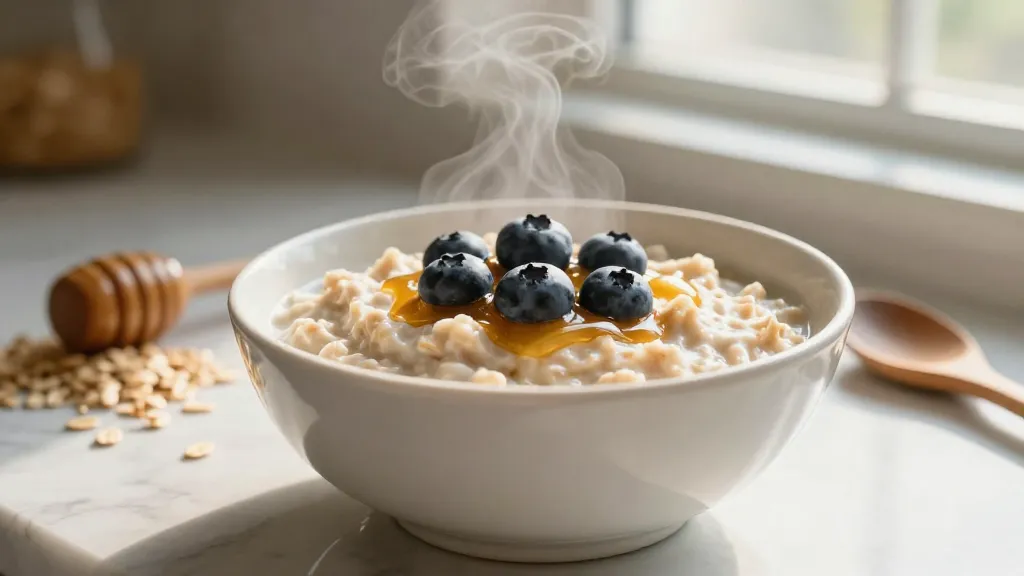
Your morning bowl of oatmeal might pack more heart-healthy punch than you ever imagined. While most people know oats are “good for you,” new research suggests this humble breakfast staple could start working to lower your cholesterol in as little as 48 hours—and the secret lies in what happens in your gut.
The 48-Hour Heart Health Revolution
Recent research indicates that oatmeal consumption may trigger cholesterol-lowering effects within just two days, a timeline that has surprised even nutrition experts. This rapid response challenges the conventional wisdom that dietary changes take weeks or months to show meaningful results.
The key to oatmeal’s quick-acting benefits appears to be its unique interaction with the trillions of bacteria living in your digestive system. When you eat oats, you’re not just feeding yourself—you’re feeding beneficial microorganisms that play a crucial role in managing your cholesterol levels.
How Your Gut Bacteria Become Cholesterol-Fighting Allies
The mechanism behind oatmeal’s cholesterol-lowering effects centers on a fascinating partnership between oats and your gut microbiome. Reports suggest that certain compounds in oats serve as fuel for beneficial bacteria, which then produce substances that help regulate cholesterol production and absorption in your body.
This bacterial activity may help explain why oatmeal works so quickly compared to other dietary interventions. Rather than simply blocking cholesterol absorption like some medications, oats appear to activate your body’s natural cholesterol management system through microbial pathways.
What Makes Oatmeal Different from Other Grains
Oats contain specific types of fiber and compounds that make them particularly effective at supporting heart health:
- Beta-glucan fiber: A soluble fiber that forms a gel-like substance in your digestive tract
- Prebiotic properties: Compounds that specifically nourish beneficial gut bacteria
- Bioactive compounds: Natural substances that may directly influence cholesterol metabolism
- Sustained energy release: Helps maintain stable blood sugar levels throughout the morning
Beyond Cholesterol: The Broader Heart Health Picture
While cholesterol reduction is impressive, observers note that oatmeal’s benefits likely extend beyond this single marker. The same gut bacteria mechanisms that help manage cholesterol may also support overall cardiovascular health through multiple pathways.
Regular oatmeal consumption has been linked to improvements in blood pressure, inflammation markers, and arterial health—creating a comprehensive approach to heart disease prevention that starts with a simple breakfast choice.
Making Oatmeal Work for You
The research suggests that consistency may be key to unlocking oatmeal’s cholesterol-lowering potential. However, not all oat products are created equal. Steel-cut oats and old-fashioned rolled oats typically retain more of their beneficial compounds compared to instant varieties that have been heavily processed.
For maximum benefit, nutrition experts generally recommend choosing plain oats and adding your own natural toppings like fresh fruit, nuts, or a drizzle of honey, rather than relying on pre-sweetened packets that may counteract some of the heart-healthy effects.
The Bigger Picture for Preventive Nutrition
This oatmeal research represents part of a growing understanding of how simple dietary changes can have profound health effects. The speed at which oats appear to influence cholesterol levels suggests that our bodies are more responsive to nutritional interventions than previously thought—especially when those interventions work with, rather than against, our natural biological processes.
While more research is needed to fully understand the optimal dosing and long-term effects, the early findings offer hope for people looking for accessible, affordable ways to support their heart health. Sometimes the most powerful medicine might already be sitting in your pantry, waiting to transform your morning routine into a daily act of cardiovascular care.