
Stop Labeling Foods 'Good' or 'Bad'—Here's Why a Dietitian Says It's Sabotaging Your Health
A registered dietitian explains how rigid food morality undermines sustainable eating habits and creates unhealthy relationships with nutrition. The flexible approach that actually works long-term.
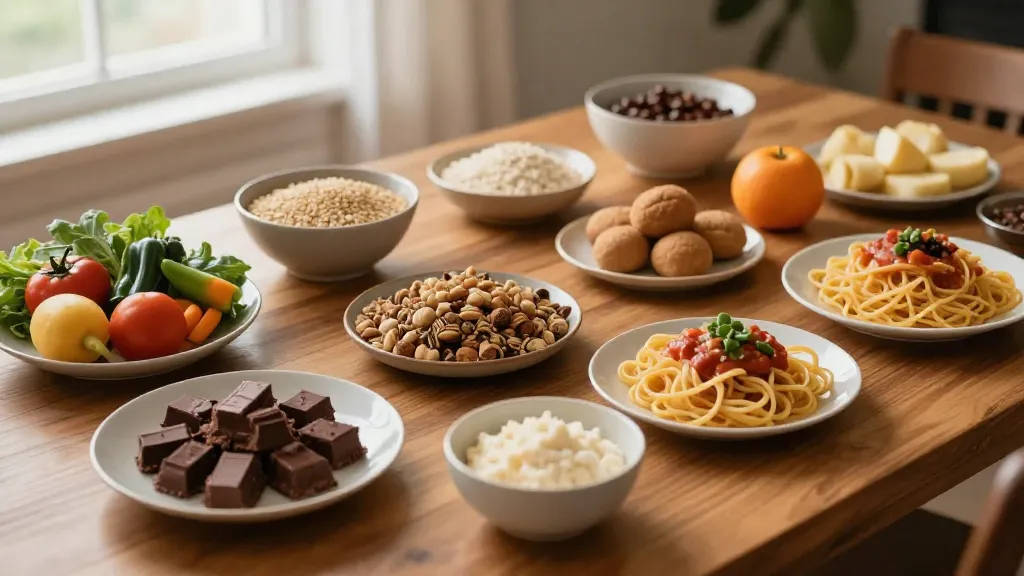
That innocent-looking chocolate chip cookie on your kitchen counter isn’t the enemy. Neither is that bag of kale in your fridge a nutritional superhero. Yet somewhere along the way, we’ve turned our pantries into battlefields where foods are either virtuous or villainous—and according to nutrition experts, this rigid thinking might be doing more harm than good.
The practice of labeling foods as “good” or “bad” has become so deeply embedded in our culture that we barely question it. But registered dietitians are increasingly speaking out against this black-and-white approach, arguing that it creates unhealthy relationships with food and undermines our long-term wellness goals.
The Problem with Food Morality
When we assign moral values to what we eat, we’re setting ourselves up for a cycle of guilt, shame, and restriction that rarely leads to lasting health improvements. This rigid categorization can fuel restrictive eating patterns that become difficult to maintain and may even contribute to disordered relationships with food.
The issue runs deeper than simple categorization. When we label a food as “bad,” we often feel guilty for eating it, which can lead to an all-or-nothing mentality. You know the pattern: you eat one “bad” food, feel like you’ve blown your diet, and then continue eating poorly because you’ve already “failed” for the day.
What Flexible Nutrition Actually Looks Like
Rather than dividing foods into moral categories, nutrition experts advocate for a more nuanced approach that considers multiple factors. This flexible strategy takes into account not just nutritional content, but also what you enjoy, your individual health goals, exercise habits, and current life circumstances.
This doesn’t mean nutritional quality doesn’t matter—it absolutely does. But it means recognizing that a single food choice doesn’t define your overall health status. A balanced approach acknowledges that all foods can fit into a healthy eating pattern when consumed mindfully and in appropriate portions.
Key Principles of Flexible Eating:
- Focus on overall dietary patterns rather than individual foods
- Consider your personal health goals and circumstances
- Include foods you genuinely enjoy
- Adapt your choices based on your activity level and lifestyle
- Practice moderation without deprivation
Why Rigid Rules Backfire
Reports suggest that overly restrictive approaches to eating often lead to rebound behaviors that can be more harmful than the original eating patterns people were trying to change. When certain foods are completely off-limits, they often become more psychologically appealing, leading to eventual overconsumption when willpower inevitably wanes.
Observers note that this cycle of restriction and indulgence creates stress around food choices that can impact both mental and physical health. The constant mental energy spent categorizing, avoiding, and feeling guilty about food takes away from the joy and nourishment that eating should provide.
Building a Healthier Relationship with Food
Moving away from food morality doesn’t mean abandoning nutritional awareness. Instead, it means developing a more sophisticated understanding of how different foods fit into your life. This approach recognizes that context matters—the nutritional needs of someone training for a marathon differ from those of someone recovering from illness.
The goal is to create sustainable habits that you can maintain long-term without feeling deprived or guilty. This might mean enjoying dessert after dinner without shame, choosing a salad because you genuinely want the nutrients and flavors it provides, or having pizza with friends because social connection is also part of overall wellness.
The Path Forward
Shifting away from rigid food categorization isn’t always easy, especially when diet culture messages are everywhere. But starting to notice when you assign moral value to foods is the first step toward developing a more balanced approach.
Consider how you talk about food—both to yourself and others. Do you feel guilty after eating certain things? Do you compensate for “bad” food choices with punishment or restriction? These patterns signal an opportunity to practice more flexible thinking about nutrition.
The most sustainable approach to healthy eating isn’t about perfection or strict rules. It’s about finding a balance that nourishes your body, satisfies your taste preferences, and fits realistically into your life. When we stop moralizing our food choices, we can focus on what really matters: developing eating habits that support our overall health and happiness for the long haul.