
Tea Drinkers Live Longer—But Most People Are Brewing It Wrong
New research reveals that tea consumption can add years to your life and reduce disease risk, but the brewing method determines whether you get the health benefits or waste them.
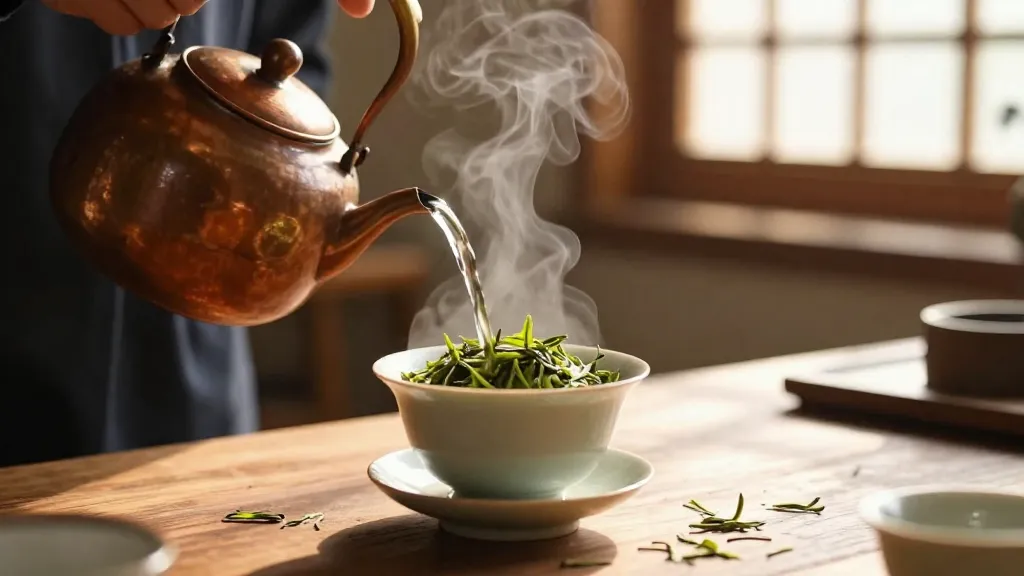
The morning ritual millions of people swear by might be the secret to a longer, healthier life—but only if you’re doing it right. While you’ve been reaching for that tea bag and pouring boiling water over it, you could be unknowingly destroying the very compounds that make tea a longevity powerhouse.
Recent research confirms what traditional cultures have known for centuries: tea consumption, particularly green tea, is linked to remarkable health benefits including better heart health, improved metabolism, and lower risks of chronic diseases like diabetes and cancer. The catch? The way most people brew their tea is sabotaging these life-extending benefits.
The Science Behind Tea’s Longevity Promise
Studies consistently show that regular tea drinkers enjoy significant health advantages over those who skip the daily cup. Green tea consumption has been linked to:
- Better cardiovascular health and reduced heart disease risk
- Improved metabolic function and blood sugar control
- Lower rates of diabetes and certain cancers
- Enhanced brain protection as we age
- Preserved muscle strength in older adults
The secret lies in tea’s rich concentration of bioactive compounds, particularly antioxidants called catechins and polyphenols. These powerful molecules work throughout your body, fighting inflammation, protecting cells from damage, and supporting healthy aging processes.
Why Your Brewing Method Is Sabotaging Your Health
Here’s where most tea drinkers go wrong: they treat all teas the same way. That boiling water you’re pouring over your delicate green tea? It’s destroying the very compounds you’re trying to consume.
The Temperature Trap
Different teas require different brewing temperatures to maximize their health benefits. While black teas can handle boiling water, green teas are far more sensitive. Water that’s too hot breaks down the beneficial catechins before they can make it into your cup.
The Processing Problem
Reports suggest that heavily processed tea products—think instant teas, bottled varieties, and some tea bags—contain significantly fewer beneficial compounds than their whole-leaf counterparts. The processing methods used to create these convenient options often strip away the very elements that make tea healthy.
The Right Way to Brew for Maximum Benefits
Getting the most from your tea doesn’t require expensive equipment or complicated techniques. Small changes to your brewing routine can dramatically increase the health compounds in every cup.
Green Tea Guidelines
For green tea, water temperature should be between 160-180°F (70-80°C)—well below boiling point. Steep for 2-3 minutes to extract maximum catechins without releasing bitter compounds that might discourage regular consumption.
Quality Matters More Than Convenience
Whole-leaf teas consistently deliver more health benefits than processed alternatives. While tea bags offer convenience, loose-leaf varieties typically contain higher concentrations of beneficial compounds and fewer processing additives.
What Health Experts Are Watching
Observers note that the relationship between tea consumption and longevity appears strongest among people who drink tea regularly over long periods, suggesting that consistency matters more than occasional high consumption. Additionally, the benefits seem most pronounced when tea is consumed as part of an overall healthy lifestyle, rather than as a magic bullet.
The emerging research also indicates that the timing of tea consumption may influence its health effects, with some studies suggesting that drinking tea between meals maximizes nutrient absorption while minimizing potential interference with iron uptake.
Making Tea Work for Your Health
The path to tea’s longevity benefits doesn’t require perfection—just awareness. Start by paying attention to water temperature, choose less processed options when possible, and make tea consumption a consistent part of your routine rather than an occasional indulgence.
Your daily cup of tea could indeed add years to your life and life to your years. The question isn’t whether tea works—it’s whether you’re brewing it in a way that works for you.