
You've Been Taking Turmeric Wrong—Dietitians Reveal the One Timing Trick That Changes Everything
Dietitians agree on the optimal timing and pairing method that dramatically boosts turmeric absorption. This simple change could unlock the spice's full anti-inflammatory potential.
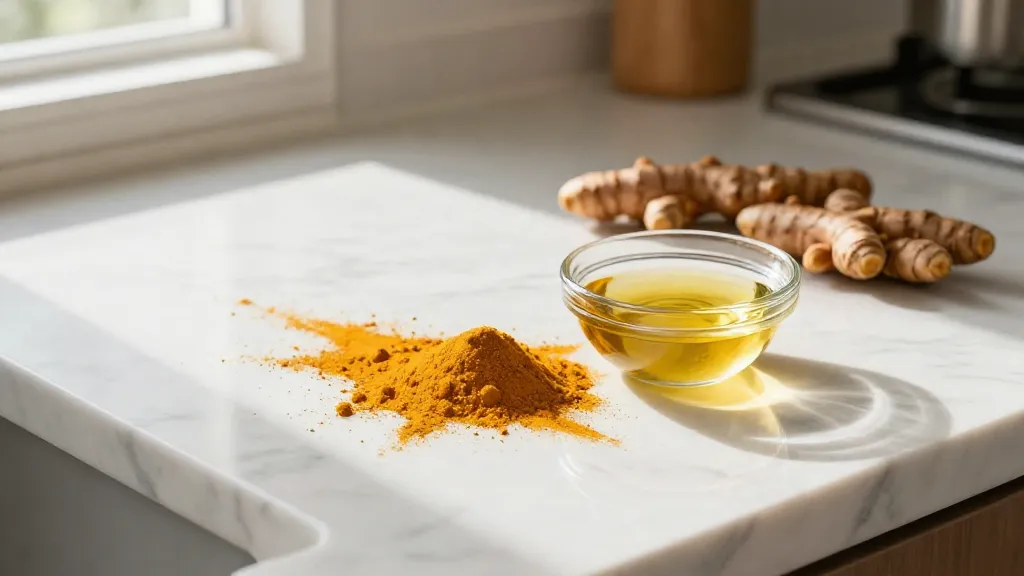
You’ve been sprinkling turmeric into your morning smoothies and swallowing those golden capsules religiously, convinced you’re doing your body a favor. But here’s the truth that might surprise you: timing and technique matter far more than you think when it comes to unlocking turmeric’s legendary anti-inflammatory powers. Dietitians are now speaking up about a simple adjustment that could dramatically change how your body actually absorbs this superfood spice.
The Fat Factor That Changes Everything
The secret isn’t just about when you take turmeric—it’s about what you take it with. Dietitians consistently emphasize that turmeric’s active compound, curcumin, is fat-soluble, meaning it needs dietary fat to be properly absorbed by your body.
Without fat as a companion, that expensive turmeric supplement you’ve been faithfully taking might be passing right through your system without delivering the anti-inflammatory benefits you’re hoping for. Reports suggest that taking turmeric with even a small amount of healthy fat can significantly boost bioavailability.
Timing That Maximizes Absorption
While turmeric can technically be taken at any time of day, nutrition experts point to specific timing strategies that optimize absorption. Taking turmeric supplements with meals—particularly those containing healthy fats—appears to be the golden rule.
The Meal-Time Advantage
Observers note that consuming turmeric during regular meals naturally provides the fat content needed for absorption while also reducing the likelihood of stomach irritation that some people experience when taking supplements on an empty stomach.
What to Watch For
When incorporating turmeric into your routine, dietitians recommend keeping these key points in mind:
• Pair with healthy fats like olive oil, avocado, nuts, or fatty fish • Take with meals rather than on an empty stomach • Consider black pepper, which may enhance absorption further • Start with smaller doses to assess tolerance • Choose high-quality supplements with standardized curcumin content
Beyond Basic Timing
The science behind turmeric absorption reveals why this timing trick works so well. Curcumin molecules bind with fat particles during digestion, creating a delivery system that helps transport the compound through your intestinal wall and into your bloodstream.
Making It Practical
Simple adjustments can make all the difference. Adding a teaspoon of coconut oil to your turmeric tea, taking your supplement with a handful of nuts, or incorporating turmeric into cooking with olive oil are all practical ways to ensure you’re getting maximum benefit.
The Bottom Line on Bioavailability
The consensus among nutrition professionals is clear: turmeric’s potential is only realized when it’s properly absorbed. This means the difference between wasted money and genuine health benefits often comes down to something as simple as timing your intake with fat-containing meals.
While individual responses may vary, the fundamental principle remains consistent across expert recommendations. The anti-inflammatory compounds that make turmeric so valuable need the right conditions to do their job effectively in your body.
Your turmeric routine doesn’t need a complete overhaul—just a strategic adjustment that ensures you’re actually getting what you’re paying for.