
100-Tonne 'Fatberg' Discovered Blocking East London Sewers—Here's What Caused It
A massive 100-tonne fatberg stretching 328 feet has clogged east London's sewers, costing millions to clear. Thames Water warns the festive season is peak time for these preventable blockages.
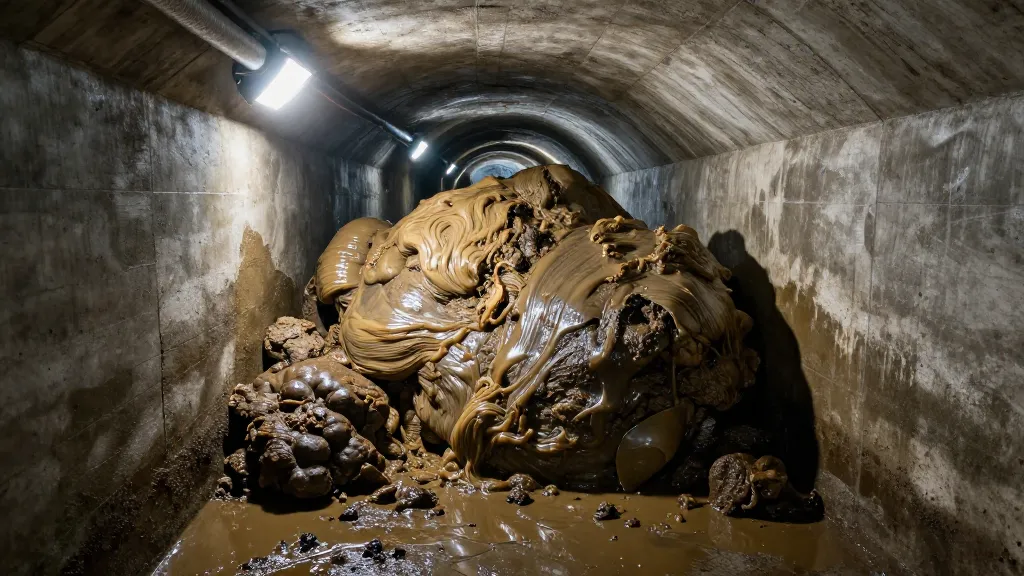
A massive 100-tonne blockage is currently clogging east London’s sewers, and it’s made of something you’ve probably sent down your kitchen sink without thinking twice: congealed fats, oils, and grease. This isn’t just an unpleasant discovery—it’s a crisis that costs taxpayers millions to resolve, and it happens every single year.
The Monster in the Pipes
Thames Water officials discovered the fatberg stretching approximately 328 feet through sewers in the Whitechapel area of east London. To put its size in perspective, this blob of solidified cooking waste weighs about a third more than one of the British Army’s heaviest battle tanks. It’s being called the “grandchild” of the infamous 2017 Whitechapel fatberg, which weighed 130 tonnes and stretched over 820 feet before workers broke it apart piece by piece—a job that took weeks and felt, according to Thames Water staff, like “trying to break up concrete.”
How Holiday Cooking Creates Sewage Nightmares
The timing of this discovery isn’t coincidental. Thames Water reports a dramatic seasonal spike in blockages during December and January, when holiday cooking reaches its peak. Festive meals mean more gravy, cream, butter, and cooking oils flowing down drains. Over the two-month holiday period, clearing these blockages costs the company £2.1 million—money that ultimately comes from customer bills.
Tim Davies, head of waste operations for north London at Thames Water, explained the ripple effect: “The cost of clearing blockages and repairing sewers runs into tens of millions of pounds every year, and that money ultimately comes from our customers.”
What to Watch For
The culprits behind fatbergs aren’t mysterious. Thames Water identifies the main offenders:
- Fats, oils, and grease poured down sinks
- “Flushable” wipes and other items flushed down toilets
- Liquid foods like gravy and cream
- Food scraps not scraped from dishes before washing
A Preventable Crisis
What makes fatbergs particularly frustrating to infrastructure experts is that they’re entirely avoidable. Every blockage, every repair, every emergency cleanup operation stems from habits that can be changed with minimal effort. The solution isn’t complicated: scrape dishes before washing, use sink strainers to catch food particles, and never pour liquid fats or oils down the drain.
The 2017 fatberg became so notable that a sample was preserved and displayed at the Museum of London—a grim monument to what happens when millions of people make the same careless choice. Now, less than a decade later, east London is dealing with another monster of similar proportions.
Thames Water’s message to residents heading into the new year is clear: think before you pour, think before you flush. The alternative is another blockage, another repair bill, and another reason your water rates climb higher.