
Sushi King Drops $3.2 Million on Single Bluefin Tuna—Here's Why
A Tokyo sushi magnate shattered his own record, paying $3.2 million for a 535-pound bluefin tuna at the New Year auction. The eye-watering price reveals the obsession behind Japan's most coveted seafood and what makes Oma tuna worth its weight in gold.
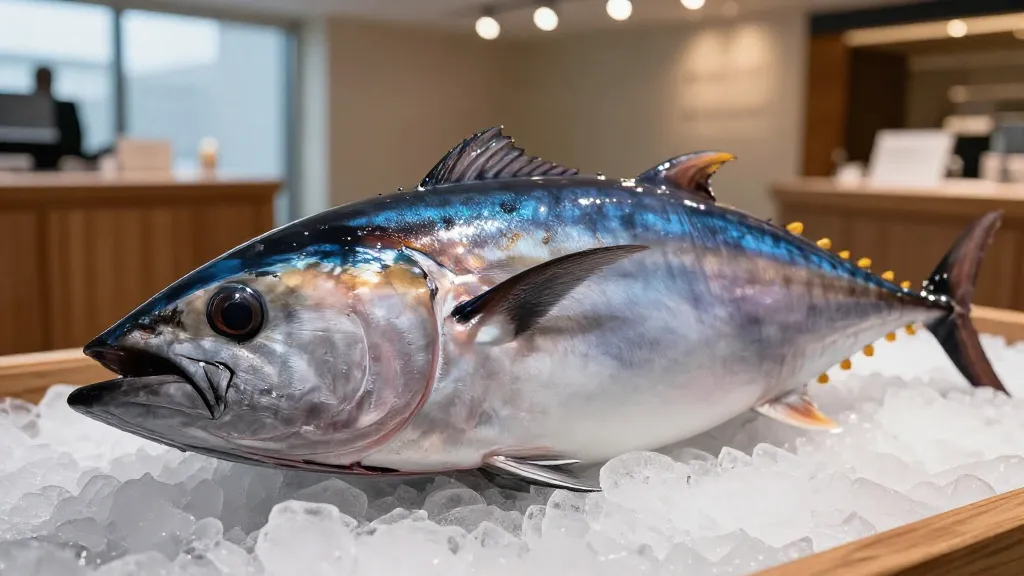
Picture this: a predawn auction hall in Tokyo, filled with the kind of tension usually reserved for high-stakes poker games. Except the stakes are a 535-pound fish, and the pot just hit $3.2 million. That’s not a typo—a single bluefin tuna just sold for more than most people’s homes are worth. Welcome to the world where culinary obsession meets extreme luxury, where a single piece of seafood can make international headlines, and where one sushi magnate’s competitive streak keeps breaking his own records.
The $3.2 Million Question: Why Would Anyone Pay That Much?
On Monday, January 5, 2026, Kiyoshi Kimura, president of Kiyomura Corp. and owner of the wildly popular Sushi Zanmai restaurant chain, walked away from Tokyo’s Toyosu fish market with what might be the most expensive piece of seafood on the planet. The massive bluefin tuna he bid on—caught off the coast of Oma in northern Japan—shattered his own previous record of $2.1 million, which he’d held since 2019.
When asked about the eye-watering price, Kimura admitted something refreshingly honest: he actually hoped to pay less. “The price shot up before you knew it,” he told reporters afterward. But here’s the thing—he couldn’t resist. When you see a good-looking tuna, apparently, rational bidding goes out the window.
At $13,360 per kilogram (roughly $6,060 per pound), this particular fish represents something far deeper than just expensive sushi. It’s a statement. A flex. A moment of culinary theater that happens once a year and captures the world’s attention every single time.
The Oma Advantage: Japan’s Most Coveted Tuna
Not all bluefin tuna are created equal. The fish that commanded this record price came from Oma, a region in northern Japan that has earned an almost mythical reputation among chefs and seafood connoisseurs. Oma tuna is to the bluefin world what Kobe beef is to cattle—it’s the gold standard, the benchmark against which all others are measured.
What makes Oma tuna so special? Observers note that the region’s cold waters, the tuna’s diet, and local fishing practices combine to create fish with exceptional marbling, color, and texture. During the predawn auction, bidders walk around rows of torpedo-shaped fish (their tails cut off to reveal the meat inside) examining these precise details. A good-looking tuna, as Kimura says, simply cannot be resisted.
The New Year auction amplifies this obsession. Hundreds of tuna are sold daily at Tokyo’s fish markets, but prices for Oma tuna at the celebratory January auction skyrocket compared to regular trading days. It’s partly superstition—winning the New Year auction is considered good luck for the year ahead. But it’s also pure prestige. Winning means bragging rights. It means your restaurant will serve the finest tuna available. It means your name makes the news.
What to Watch for in the Luxury Seafood Market
- Record-chasing behavior: Kimura has won this auction “many times in the past,” suggesting a competitive pattern among Tokyo’s elite sushi operators
- Oma’s premium positioning: Not all bluefin is equal; geographic origin dramatically impacts price
- Seasonal spikes: New Year auction prices far exceed typical daily trading, indicating cultural and superstitious factors at play
- Meat quality inspection: Bidders examine color, texture, and fattiness before committing millions
The Conservation Paradox: Success and Luxury Markets
Here’s where the story takes an interesting turn. Pacific bluefin tuna was once a threatened species. Decades of overfishing and climate change pressures pushed the population toward the brink. But conservation efforts have worked. The stock is recovering.
This creates a curious intersection between environmental success and ultra-premium markets. As bluefin populations stabilize, demand from luxury restaurants and ultra-wealthy consumers remains sky-high. The fish that was nearly fished to extinction is now thriving enough to command record auction prices. It’s a reminder that conservation doesn’t exist in a vacuum—it’s deeply entangled with human desire, cultural tradition, and yes, the kind of competitive bidding that turns a single tuna into a $3.2 million statement.
The Theater of Extreme Luxury
What makes this story so captivating isn’t really about the fish. It’s about what the fish represents. In a world of billionaires and ultra-wealthy collectors, there’s something almost quaint about competing for a tuna at a predawn auction. There’s no algorithm, no app, no cryptocurrency—just humans in a room, watching a bell ring and watching prices climb.
Kiyoshi Kimura knows he hasn’t even tasted this tuna yet. But he knows it’s got to be delicious. More importantly, he knows he won. And in the rarefied world of Tokyo’s sushi elite, that victory—captured in headlines, shared across the globe, etched into the record books—might be worth every penny.