
Chicago Doctors Keep Patient Alive 48 Hours Without Lungs in Medical Breakthrough
In an unprecedented medical feat, Chicago doctors successfully kept a patient alive for two full days without any lungs before performing a life-saving double transplant. This groundbreaking procedure represents a major advancement in transplant medicine.
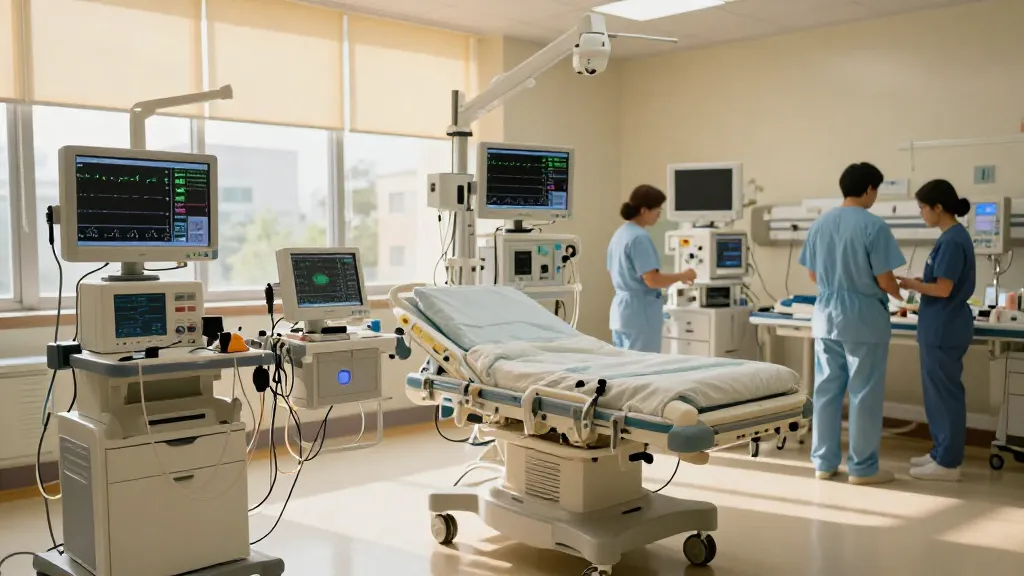
In what medical experts are calling an unprecedented achievement, Chicago doctors have successfully kept a patient alive for 48 hours without any functioning lungs before performing a life-saving double lung transplant. This extraordinary feat represents a potential game-changer in transplant medicine, offering new hope for patients with severe lung conditions who might otherwise face impossible odds.
The Impossible Made Possible
The medical team’s ability to sustain human life completely without lungs for two full days challenges everything we thought we knew about the limits of human survival. While the specific medical technologies and procedures used to achieve this breakthrough have not been fully detailed, the implications are staggering for the field of organ transplantation.
This achievement comes at a critical time when lung transplant patients face some of the longest wait times and highest mortality rates among all organ recipients. The ability to extend the window for finding suitable donor organs could dramatically improve survival rates for patients with end-stage lung disease.
Revolutionary Impact on Transplant Medicine
The 48-hour survival period without lungs opens up entirely new possibilities for transplant procedures. Traditional lung transplants require precise timing and immediate availability of donor organs, often leaving patients in life-threatening situations while waiting for a match.
What This Could Mean for Future Patients:
- Extended time windows for finding compatible donor organs
- Reduced pressure on surgical teams to perform emergency procedures
- Potential for more thorough pre-transplant preparation and optimization
- Greater flexibility in coordinating complex multi-organ transplants
Breaking Medical Barriers
This breakthrough builds on decades of advancement in life support technologies and organ preservation techniques. Medical teams have continuously pushed the boundaries of what’s possible in keeping patients alive during critical periods, but sustaining life completely without lungs represents an entirely new frontier.
The successful double lung transplant that followed the 48-hour period demonstrates not only the viability of extended life support without lungs but also that patients can emerge from such procedures in condition suitable for major surgery.
The Broader Medical Significance
Reports suggest this achievement could influence approaches to other organ transplant procedures and emergency medical situations. The techniques and technologies developed for this case may have applications beyond lung transplantation, potentially benefiting patients with various critical conditions.
Medical observers note that while this represents a single case, the successful outcome provides proof of concept for what many considered medically impossible. The patient’s survival through both the 48-hour period without lungs and the subsequent transplant surgery marks a significant milestone in the evolution of life support technology.
Looking Ahead
As details about the specific procedures and technologies used in this case become available to the broader medical community, researchers and clinicians worldwide will likely study these methods for potential application in their own practices. This breakthrough represents not just a victory for one patient, but a beacon of hope for countless others facing similar medical challenges.
The Chicago medical team’s achievement reminds us that the boundaries of medicine continue to expand, offering new possibilities for patients who might have had few options just years ago. While more research and validation will be needed, this case demonstrates that even the most fundamental assumptions about human survival can be challenged and overcome through medical innovation.