
Custom mRNA Vaccines Tailored to Individual Tumors Show Breakthrough Results in Breast Cancer Trial
Phase 1 trial reveals personalized mRNA vaccines designed from each patient's unique tumor mutations trigger powerful, long-lasting immune responses against triple-negative breast cancer. Early results show improved outcomes compared to standard treatments.
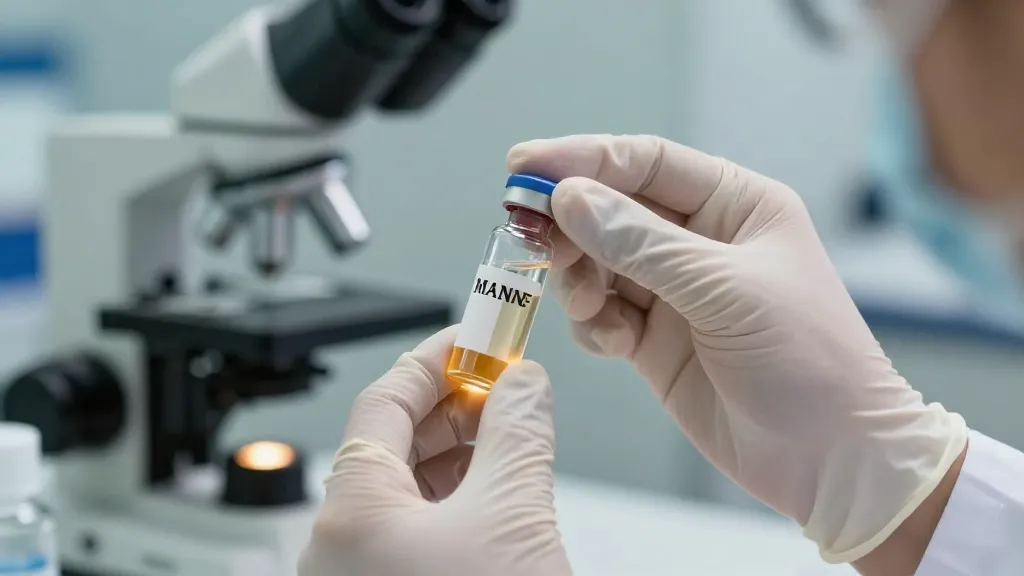
The battle against cancer just took a revolutionary turn. In a groundbreaking Phase 1 trial, researchers have demonstrated that vaccines custom-built from each patient’s unique tumor mutations can trigger powerful, long-lasting immune responses against one of the most aggressive forms of breast cancer. This isn’t your typical vaccine – it’s a personalized weapon designed specifically to hunt down your individual cancer cells.
A New Era of Personalized Cancer Treatment
Triple-negative breast cancer has long been one of oncology’s most formidable challenges. Unlike other breast cancers that respond to hormone therapy or targeted treatments, this aggressive form leaves patients with limited options and often poor outcomes. But this latest research, published in Nature, suggests we may be entering an entirely new chapter in cancer care.
The study reveals how scientists can now analyze each patient’s tumor, identify its unique genetic fingerprint, and create a custom mRNA vaccine that trains the immune system to recognize and attack those specific cancer characteristics. It’s like giving your body a personalized Most Wanted poster of your cancer’s defining features.
How These Custom Vaccines Work
The process begins with a deep dive into each patient’s tumor biology. Researchers sequence the tumor’s genetic material to identify mutations that are unique to that individual’s cancer – essentially finding the molecular signatures that make those cancer cells different from healthy tissue.
Using this genetic blueprint, scientists then craft an mRNA vaccine that carries instructions for the immune system. When injected, these vaccines teach T cells – the body’s elite cancer-fighting forces – to recognize and remember the tumor’s specific markers.
Key Advantages of This Approach
The personalized vaccine strategy offers several compelling benefits:
• Targets multiple tumor-specific mutations simultaneously • Creates lasting immunological memory against the cancer • Works alongside the body’s natural immune system • Potentially reduces the risk of cancer recurrence • Avoids the broad toxicity of traditional chemotherapy
Remarkable Results in Early Trials
The Phase 1 trial results demonstrate that these individualized vaccines can induce robust T cell responses that persist over time. Participants showed improved outcomes compared to what would typically be expected with standard treatments for triple-negative breast cancer.
Perhaps most encouraging is the durability of the immune response. Unlike treatments that work temporarily before cancer finds ways to resist them, these vaccines appear to create lasting immunological vigilance against the specific cancer signatures.
What This Means for Cancer Patients
While these results are incredibly promising, it’s important to understand where we stand in the research timeline. This Phase 1 trial represents early-stage research focused on safety and initial effectiveness signals. Larger trials will be needed to confirm these benefits and determine how this approach compares to current standard treatments.
The personalized nature of these vaccines also presents unique challenges. Creating a custom vaccine for each patient requires sophisticated genetic analysis and manufacturing capabilities – a far cry from the mass-produced vaccines we’re accustomed to.
The Bigger Picture of Precision Medicine
This breakthrough represents more than just a new treatment option – it signals a fundamental shift toward truly personalized cancer care. Rather than treating all triple-negative breast cancers the same way, this approach acknowledges that each patient’s cancer is as unique as their fingerprint.
The success of these personalized mRNA vaccines could pave the way for similar approaches across other cancer types. If the technology proves scalable and cost-effective, we may be looking at the future of cancer treatment: custom-designed therapies that harness each patient’s immune system to fight their specific disease.
As research continues and larger trials get underway, patients and families affected by triple-negative breast cancer have new reason for hope. While we’re still in the early stages of this medical revolution, the initial results suggest that the age of one-size-fits-all cancer treatment may finally be coming to an end.