
Scientists Create Microscopic 'Cancer Hunter' That Destroys Tumors While Sparing Healthy Cells
Oregon State University researchers have engineered an iron nanomaterial that exploits cancer's unique chemistry to destroy malignant cells from within while leaving healthy tissue completely untouched. This breakthrough could revolutionize cancer treatment by eliminating the devastating side effects of current therapies.
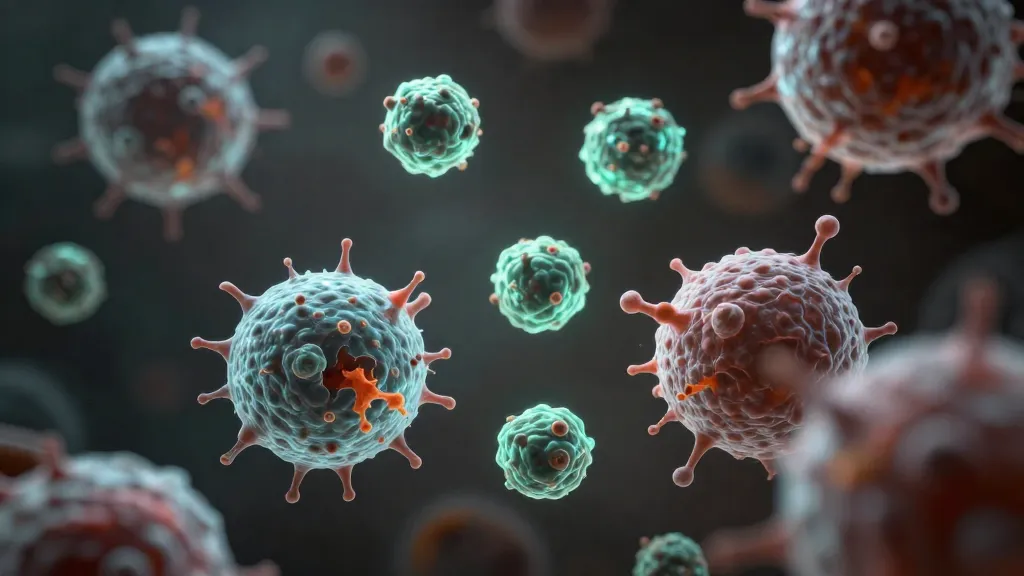
Scientists at Oregon State University have just engineered what could be the most precise cancer-fighting weapon ever created: a microscopic iron nanomaterial that acts like a guided missile, seeking out malignant cells and destroying them from within while completely ignoring healthy tissue. This breakthrough represents a dramatic shift from the scorched-earth approach of traditional cancer treatments that often leave patients battling devastating side effects alongside their disease.
How the Microscopic Cancer Hunter Works
The revolutionary nanomaterial operates on a surprisingly elegant principle: it exploits cancer’s own biological weaknesses to turn the disease against itself. Cancer cells create their own hostile environment, characterized by high acidity and elevated hydrogen peroxide levels—conditions that healthy cells simply don’t possess.
The Oregon State researchers engineered their iron-based nanomaterial to recognize these unique chemical signatures. Once the microscopic hunter identifies a cancer cell by its distinct chemistry, it launches a targeted attack from the inside out, destroying the malignant tissue while leaving surrounding healthy cells completely untouched.
A Game-Changer for Cancer Treatment
Traditional cancer therapies like chemotherapy and radiation work by attacking rapidly dividing cells throughout the body. While this approach can be effective against tumors, it also devastates healthy tissues that naturally divide quickly, including hair follicles, digestive tract lining, and bone marrow cells. The result is the familiar and often debilitating side effects that cancer patients endure: hair loss, nausea, fatigue, and compromised immune systems.
This new nanomaterial approach represents a fundamental shift toward precision medicine. By targeting only the specific chemical environment that cancer creates, the treatment could potentially eliminate the collateral damage that makes current therapies so difficult to endure.
What Makes This Different
Key advantages of the iron nanomaterial approach include:
- Selective targeting based on cancer’s unique chemistry
- Destruction of malignant cells from within
- Minimal impact on healthy tissue
- Potential for reduced side effects compared to conventional treatments
The Science Behind the Breakthrough
The researchers designed their nanomaterial to be remarkably selective, responding only to the specific combination of acidity and hydrogen peroxide levels found in cancerous tissue. This precision targeting mechanism ensures that the treatment remains dormant when it encounters normal, healthy cells but becomes activated when it detects the telltale chemical signature of cancer.
The iron-based composition of the nanomaterial plays a crucial role in its effectiveness. When activated by the cancer cell’s unique environment, the iron component facilitates a destructive process that breaks down the malignant cell’s internal structures, leading to cell death.
Looking Toward the Future
While these early results from Oregon State University are promising, researchers acknowledge that significant work remains before this technology could reach patients. The nanomaterial approach will need to undergo extensive testing to verify its safety and effectiveness across different types of cancer and patient populations.
Reports suggest that this breakthrough could eventually transform how oncologists approach cancer treatment, potentially offering patients a more targeted therapy with fewer quality-of-life impacts. However, observers note that translating promising laboratory results into clinical applications typically requires years of additional research and regulatory approval.
The development represents part of a broader trend toward precision medicine, where treatments are tailored to exploit specific molecular or chemical characteristics of diseases rather than using broad-spectrum approaches that affect the entire body.
As cancer research continues to evolve, innovations like this iron nanomaterial offer hope for more effective treatments that could allow patients to fight their disease without sacrificing their overall health and well-being in the process.