
Scientists Develop Revolutionary IV Therapy That Repairs Brain Damage After Stroke
Researchers have created a groundbreaking nanomaterial-based IV therapy that crosses the blood-brain barrier to reduce inflammation and repair stroke damage. This breakthrough could transform treatment for the leading cause of disability worldwide.
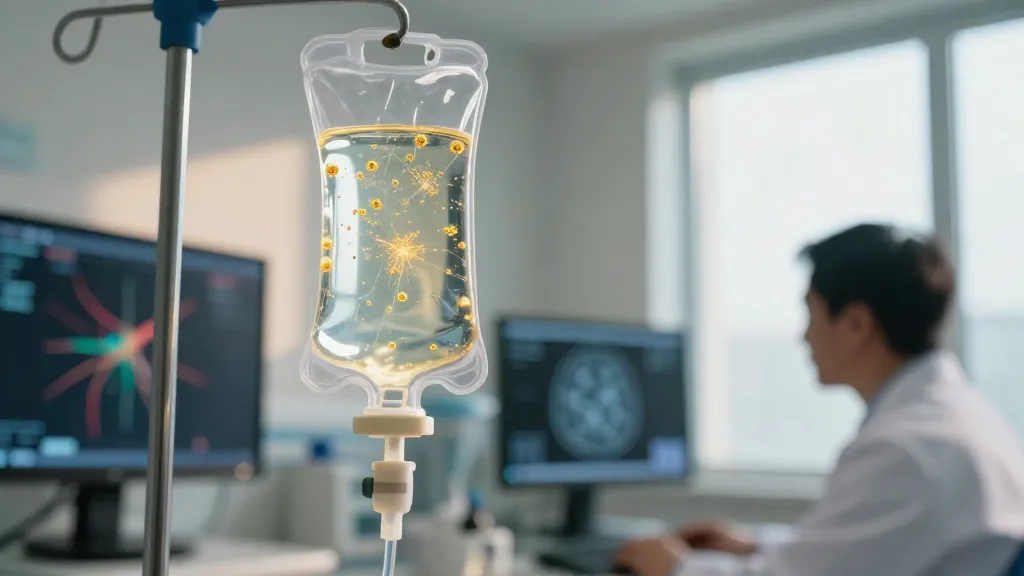
A simple IV drip could soon transform the lives of millions of stroke survivors worldwide. Scientists have developed a groundbreaking therapy using engineered nanomaterials that can cross the blood-brain barrier—one of medicine’s most formidable challenges—to actually repair brain damage after stroke occurs.
This breakthrough represents a fundamental shift in stroke treatment. While current therapies focus on preventing further damage by quickly restoring blood flow, this new approach goes a step further by actively healing the brain tissue that has already been injured.
The Blood-Brain Barrier Challenge
The blood-brain barrier has long been medicine’s greatest obstacle when treating neurological conditions. This protective shield around the brain blocks most medications from reaching damaged brain tissue, leaving doctors with limited options for treating stroke damage.
The newly developed nanomaterial therapy overcomes this barrier entirely. By engineering particles at the molecular level, researchers have created a delivery system that can slip past the brain’s natural defenses and deliver healing compounds directly to the site of injury.
How the Revolutionary Therapy Works
The treatment targets the most common form of stroke through a surprisingly elegant mechanism. When stroke patients receive the IV therapy, the nanomaterials travel through the bloodstream and successfully penetrate the blood-brain barrier—something that has eluded medical researchers for decades.
Once inside the brain, these microscopic healers focus on reducing the damaging inflammation that continues to destroy brain cells long after the initial stroke event. This inflammatory response, while part of the body’s natural healing process, often causes more harm than good in stroke patients.
Key Benefits of the New Treatment:
- Crosses the previously impenetrable blood-brain barrier
- Actively repairs damaged brain tissue rather than just preventing further damage
- Reduces harmful inflammation at the cellular level
- Delivered through simple IV therapy
A Game-Changer for Stroke Recovery
Stroke remains one of the leading causes of disability worldwide, affecting millions of people annually. Current treatments must be administered within hours of a stroke to be effective, and even then, they primarily focus on preventing additional brain damage rather than reversing what has already occurred.
This new nanomaterial therapy represents the first treatment capable of actually repairing stroke damage after it happens. The implications for recovery and quality of life for stroke survivors could be transformative.
What This Means for Patients
The therapy’s ability to reduce damaging inflammation after stroke occurs addresses one of the most persistent challenges in neurological medicine. When blood flow suddenly returns to stroke-affected brain tissue, it often triggers an inflammatory cascade that can cause additional damage for days or weeks following the initial event.
By targeting this secondary damage, the nanomaterial therapy could potentially:
- Improve recovery outcomes for stroke patients
- Reduce long-term disability
- Extend the treatment window beyond the current critical hours
- Offer hope for patients who previously had limited treatment options
The Road Ahead
While the results show tremendous promise, researchers note that more studies will be needed to fully understand the therapy’s potential and safety profile. The development represents years of work in nanotechnology and neuroscience, bringing together cutting-edge materials science with our growing understanding of stroke pathology.
Reports suggest that this breakthrough could eventually change how we think about stroke treatment entirely—shifting from a race against time to prevent damage toward a more comprehensive approach that includes active repair of injured brain tissue.
The medical community is watching closely as this therapy moves through the development process, recognizing its potential to transform outcomes for one of medicine’s most challenging conditions.