
Scientists Discover Missing Link in Parkinson's Disease After 20-Year Mystery
Researchers at Case Western Reserve University have identified the crucial mechanism connecting toxic protein buildup to brain cell death in Parkinson's disease. This discovery could unlock targeted treatments for millions of patients worldwide.
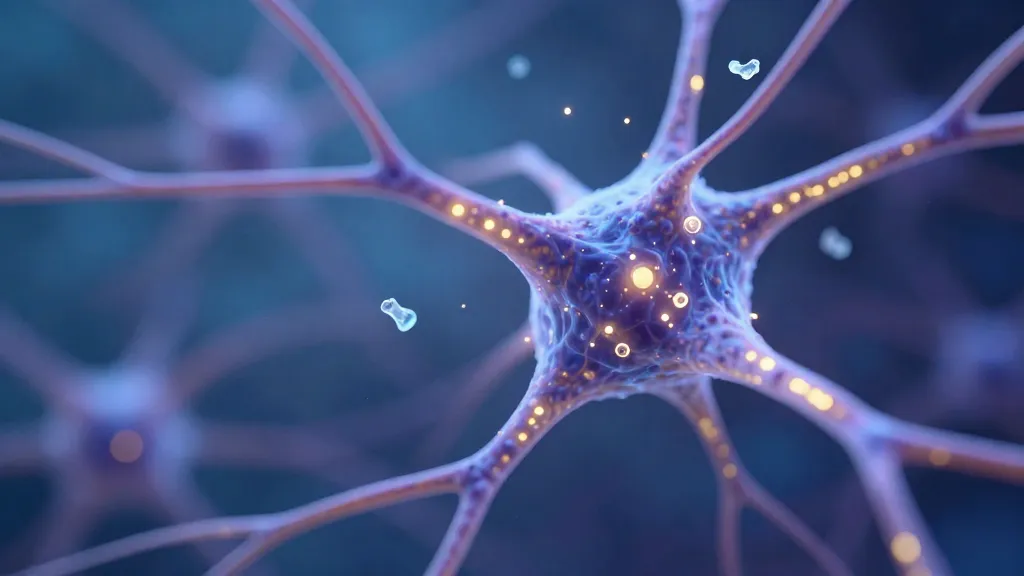
After two decades of searching, scientists have finally cracked one of Parkinson’s disease’s most puzzling mysteries. Researchers at Case Western Reserve University School of Medicine have identified the crucial missing piece that explains how toxic protein buildup actually kills brain cells—a discovery that could revolutionize treatment approaches for the millions of people living with this devastating neurological condition.
This breakthrough fills a critical gap in our understanding of Parkinson’s disease progression. While scientists have long known that abnormal protein accumulation is a hallmark of the condition, the exact mechanism by which these proteins cause the death of vital brain cells has remained elusive, hampering efforts to develop targeted therapies.
The 20-Year Search for Answers
Parkinson’s disease affects over 10 million people worldwide, causing tremors, stiffness, and progressive loss of movement control. The condition occurs when dopamine-producing neurons in the brain begin to die, but understanding why this happens has been one of neuroscience’s most persistent challenges.
Previous research established that toxic proteins build up in the brains of Parkinson’s patients, forming clumps that interfere with normal cellular function. However, the direct pathway from protein accumulation to actual cell death has remained unclear—until now.
Breaking Down the Discovery
The investigation by the Case Western Reserve University team represents a significant advancement in Parkinson’s research. By identifying this missing link, scientists can now trace a clear line from the initial protein problems to the eventual death of brain cells that characterizes the disease.
This mechanistic understanding is crucial because it provides researchers with specific targets for intervention. Rather than treating symptoms after brain damage has already occurred, future therapies could potentially interrupt the destructive process before irreversible damage takes place.
What This Means for Treatment Development
The discovery opens several promising avenues for therapeutic intervention:
• Targeted drug development focused on disrupting the newly identified pathway
• Earlier intervention strategies before significant brain cell loss occurs
• More precise monitoring of disease progression
• Potential combination therapies that address multiple points in the destructive cascade
The Road Ahead
While this discovery represents a major step forward, researchers acknowledge that translating these findings into clinical treatments will require additional studies and validation. The identification of the missing link provides the foundation for developing targeted interventions, but moving from laboratory discovery to patient treatment typically takes years of careful research and clinical trials.
Hope for Millions
For the global Parkinson’s community, this breakthrough offers something that has been in short supply: hope based on solid scientific progress. Understanding exactly how protein buildup leads to brain cell death provides researchers with clear targets for intervention and could accelerate the development of more effective treatments.
The discovery also highlights the importance of sustained scientific investigation. After 20 years of searching, researchers have finally connected the dots between protein accumulation and neuronal death, demonstrating how persistence in basic science research can yield transformative insights.
As the scientific community continues to build on these findings, the prospect of more effective Parkinson’s treatments moves from distant possibility to realistic goal. For patients and families affected by this challenging condition, that represents a significant shift toward a more hopeful future.