
Scientists Reverse Joint Damage in Mice by Rewinding Aging Cells—No Stem Cells Needed
Researchers successfully reprogrammed aging cartilage cells to regrow damaged tissue in mice, potentially offering a new treatment path for arthritis that sidesteps stem cell controversies.
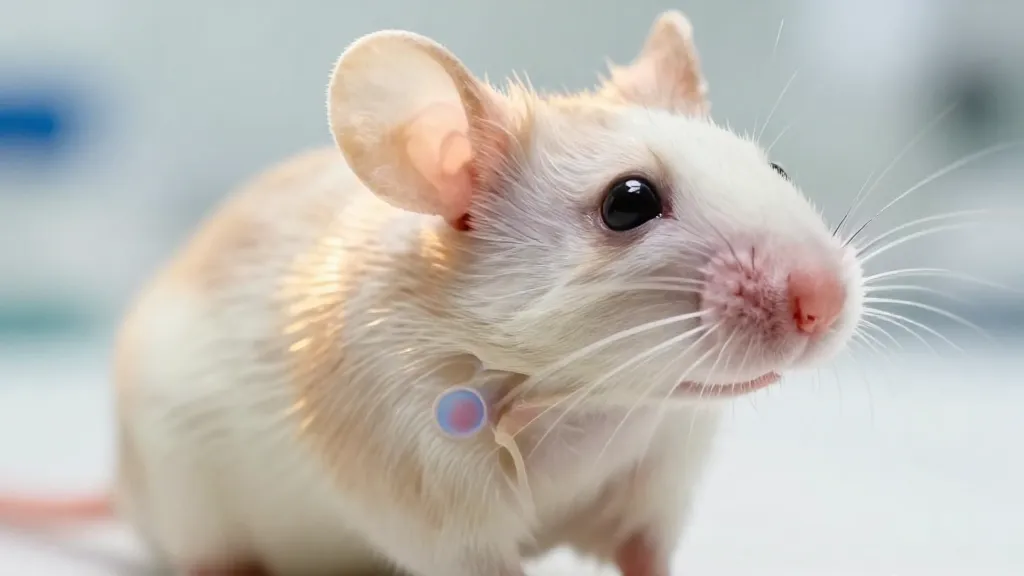
Imagine if damaged joints could heal themselves by simply turning back the biological clock. That seemingly impossible scenario just became reality in a laboratory, where scientists successfully reversed joint damage in mice using a groundbreaking approach that sidesteps one of medicine’s most contentious debates.
Rather than relying on stem cells—which have sparked ethical controversies and technical challenges for decades—researchers have discovered how to reprogram aging cartilage cells to essentially rewind their biological age. The result? Damaged joint tissue that regenerates naturally, offering new hope for millions suffering from arthritis and age-related joint degeneration.
A New Approach to an Ancient Problem
Arthritis affects hundreds of millions of people worldwide, with osteoarthritis being the most common form of joint disease. Until now, treatment options have remained frustratingly limited: pain management, physical therapy, and eventually joint replacement surgery. The holy grail has always been regenerating the smooth cartilage that cushions our joints—but cartilage has an infamous reputation for being nearly impossible to repair once damaged.
Traditional regenerative medicine approaches have focused heavily on stem cell therapies, which involve harvesting undifferentiated cells and coaxing them to become cartilage. While promising in theory, these methods face significant hurdles including ethical concerns around embryonic stem cells, complex regulatory pathways, and inconsistent results in clinical trials.
The Cellular Time Machine Discovery
The breakthrough centers on cellular reprogramming—a technique that essentially resets mature cells to a more youthful state. Instead of introducing foreign stem cells, researchers worked with the cartilage cells already present in damaged joints, known as chondrocytes.
These aging cells, which had lost their ability to maintain and repair cartilage tissue effectively, were reprogrammed using specific molecular signals. The process appears to restore their regenerative capabilities, allowing them to rebuild the damaged joint matrix from within.
What Makes This Different
Several factors set this approach apart from previous attempts at cartilage regeneration:
- No external cell transplantation required - works with existing tissue
- Avoids stem cell ethical and regulatory complications
- Targets the root cause of cartilage aging rather than just symptoms
- Potentially more compatible with the body’s existing joint environment
- Could be less invasive than current surgical interventions
The mouse studies demonstrated that joints treated with this reprogramming technique showed significant improvement in cartilage thickness and quality compared to untreated controls.
The Road to Human Treatment
While these results represent a significant scientific achievement, observers note that translating animal research to human applications typically requires extensive additional study. The complexity of human joints, combined with the longer timescales of human aging and disease progression, means that clinical trials would be essential before this approach could reach patients.
Reports suggest that researchers are optimistic about the technique’s potential, but acknowledge that human trials would need to address safety concerns and determine optimal treatment protocols. The regulatory pathway for cellular reprogramming therapies, while potentially less complex than stem cell approaches, would still require rigorous testing.
Implications Beyond Arthritis
This cellular reprogramming success could have implications extending far beyond joint health. The ability to reverse cellular aging in specific tissues opens possibilities for treating other age-related conditions where tissue regeneration is crucial.
The research represents a shift in thinking about how we approach degenerative diseases—rather than replacing damaged tissue or managing symptoms, we might be able to restore the tissue’s own ability to heal itself.
Looking Forward
For the millions of people living with joint pain and limited mobility, this research offers something that’s been in short supply: genuine hope for regenerative treatment. While human applications remain in the future, the successful demonstration that aging cartilage cells can be reprogrammed to regain their regenerative abilities represents a fundamental breakthrough in our understanding of tissue repair.
The next phase will likely involve refining the reprogramming techniques, ensuring safety in larger animal models, and eventually designing human clinical trials. If successful, this approach could transform how we treat not just arthritis, but potentially many age-related conditions where cellular aging drives disease progression.
The days of accepting joint damage as an inevitable part of aging may be numbered—and the solution might come not from replacing our cells, but from teaching them to remember how to be young again.