
Stanford Scientists Cure Type 1 Diabetes in Mice Without Insulin Using 'Immune Reset' Breakthrough
Stanford researchers eliminated type 1 diabetes in mice through an innovative immune system reset strategy that requires no insulin or immune suppression. The breakthrough could revolutionize treatment for autoimmune diseases affecting millions worldwide.
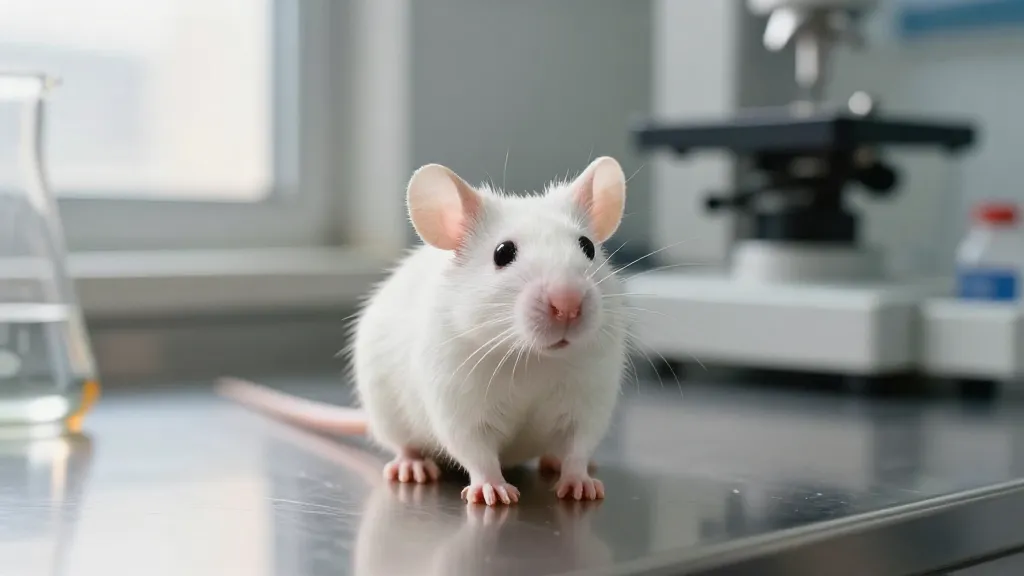
A groundbreaking study from Stanford Medicine has achieved what many thought impossible: completely eliminating type 1 diabetes in mice without requiring insulin injections or immune-suppressing drugs. The revolutionary “immune system reset” technique has researchers buzzing about its potential to transform treatment for millions of people living with autoimmune diseases worldwide.
The breakthrough represents a dramatic departure from current diabetes management, which typically involves lifelong insulin therapy and careful blood sugar monitoring. Instead, Stanford scientists have found a way to essentially reprogram the immune system to stop attacking the body’s own insulin-producing cells.
The Science Behind the Immune Reset
The Stanford research team developed an innovative approach that targets the root cause of type 1 diabetes: an overactive immune system that mistakenly destroys insulin-producing beta cells in the pancreas. Rather than suppressing the entire immune system—which leaves patients vulnerable to infections and other complications—this new method appears to selectively reset only the problematic immune responses.
The technique eliminates the autoimmune attack while preserving the body’s natural ability to fight off genuine threats like viruses and bacteria. This represents a significant advantage over traditional immunosuppressive treatments used in organ transplantation and other autoimmune conditions.
What Makes This Different
Current type 1 diabetes treatments focus on managing symptoms rather than addressing the underlying cause. Patients must inject insulin multiple times daily and constantly monitor their blood glucose levels to prevent dangerous spikes or drops in blood sugar.
The Stanford approach tackles the disease at its source by stopping the immune system’s misguided assault on healthy pancreatic cells. Reports suggest this could allow the body’s natural insulin production to resume, potentially eliminating the need for external insulin entirely.
Key advantages of the immune reset approach:
- No ongoing insulin injections required
- Avoids broad immune suppression
- Targets only the problematic immune responses
- Preserves natural infection-fighting capabilities
- Could prevent diabetes-related complications
Broader Implications for Autoimmune Diseases
While the immediate focus is on type 1 diabetes, researchers note that this immune reset strategy could have far-reaching applications. The same principle might be applied to other autoimmune conditions where the body’s defense system turns against healthy tissue.
Observers suggest this could potentially benefit patients with conditions like multiple sclerosis, rheumatoid arthritis, and inflammatory bowel disease. The technique might also improve outcomes in organ transplantation by preventing rejection without compromising overall immune function.
The Reality Check: From Mice to Humans
Despite the exciting results, it’s crucial to understand that this research is still in its earliest stages. The breakthrough occurred in laboratory mice, and the path from successful animal studies to human treatments is notoriously long and uncertain.
Medical experts emphasize that human trials are likely years away, and many promising treatments that work in mice never translate successfully to people. The complexity of human immune systems and the need for extensive safety testing mean that patients shouldn’t expect this treatment to be available in the near future.
What This Means for Patients
For the millions of people living with type 1 diabetes and other autoimmune diseases, this research offers genuine hope for a future beyond daily injections and constant disease management. However, current patients should continue following their prescribed treatment plans while researchers work to translate these findings into human therapies.
The Stanford breakthrough joins a growing body of research exploring innovative approaches to autoimmune diseases. While this particular study represents a significant step forward, the scientific community will need to replicate these results and demonstrate safety in human trials before this immune reset strategy becomes a reality for patients.
The research highlights how our understanding of the immune system continues to evolve, opening new possibilities for treating diseases that were once considered incurable. As scientists refine these techniques and move toward human testing, millions of patients worldwide have reason to feel cautiously optimistic about the future of autoimmune disease treatment.