
Stanford Scientists Discover Breakthrough Treatment That Reverses Arthritis and Regrows Cartilage
Stanford researchers have developed a protein-blocking therapy that can reverse cartilage loss in aging joints and prevent arthritis development. The treatment targets aging-linked proteins to restore healthy, shock-absorbing cartilage.
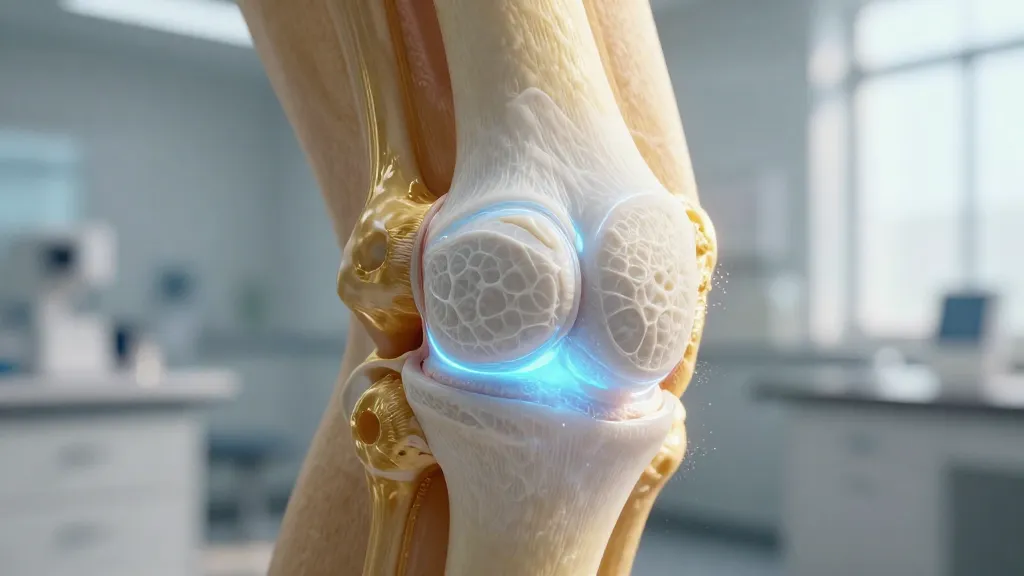
Millions of people worldwide wake up each morning to stiff, aching joints that make simple tasks like climbing stairs or opening jars feel like monumental challenges. But what if the key to turning back the clock on arthritis was as simple as blocking a single protein? Stanford Medicine researchers believe they’ve found exactly that—a breakthrough treatment that doesn’t just slow arthritis progression, but actually reverses it by regrowing healthy cartilage.
The Discovery That Could Change Everything
The Stanford team has identified a protein-blocking therapy that targets the root cause of cartilage deterioration in aging joints. Rather than simply managing symptoms like traditional treatments, this approach tackles the underlying cellular aging process that leads to cartilage breakdown in the first place.
According to reports from the research, the treatment successfully restored healthy, shock-absorbing cartilage in aging test subjects. This represents a fundamental shift from current arthritis treatments, which typically focus on pain management and slowing disease progression rather than actual reversal.
How the Treatment Works
The breakthrough centers on blocking a specific protein that researchers have linked to cellular aging processes. When this protein is active, it appears to accelerate the breakdown of cartilage tissue that cushions our joints. By inhibiting this protein’s activity, the Stanford scientists observed remarkable regeneration of healthy cartilage.
Key Benefits Observed:
- Reversal of existing cartilage loss in aging joints
- Prevention of arthritis development following knee injuries
- Restoration of shock-absorbing properties in damaged cartilage
- Potential to address root causes rather than just symptoms
Beyond Treating Existing Arthritis
Perhaps even more exciting is the treatment’s potential for prevention. The research suggests that the therapy can actually prevent arthritis from developing after knee injuries—a finding that could revolutionize sports medicine and trauma care.
Knee injuries, particularly in athletes and active individuals, often lead to arthritis years or decades later as the damaged joint gradually deteriorates. This new approach could potentially break that cycle entirely.
What This Means for Patients
For the estimated 350 million people worldwide living with arthritis, this research offers something that has been elusive for decades: genuine hope for reversal rather than just management. The implications extend far beyond individual patient care to potentially reducing the massive healthcare burden that arthritis represents globally.
The Road Ahead
While the initial findings appear promising, observers note that translating laboratory discoveries into widely available treatments typically requires extensive clinical trials and regulatory approval. The timeline for human application remains unclear, and the research would need to progress through standard safety and efficacy testing phases.
The Stanford team’s work represents a significant step forward in understanding how aging affects our joints and what might be done to counteract those effects. As the global population continues to age, breakthrough treatments like this could prove essential for maintaining quality of life and mobility for millions of people.
Reports suggest that this protein-blocking approach could potentially be applied to other age-related conditions beyond arthritis, though such applications would require additional research and validation.