
Scientists Discover Human Hearts Can Actually Heal Themselves After Heart Attacks
Groundbreaking research overturns decades of medical belief by proving human heart tissue can regenerate after heart attacks. This discovery could revolutionize treatment for millions of heart disease patients worldwide.
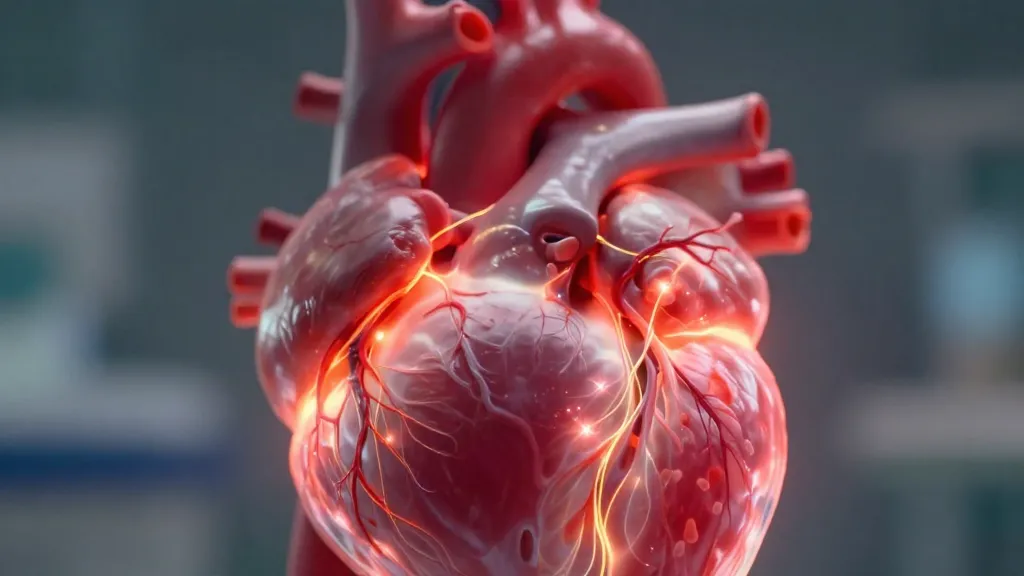
For decades, medical textbooks have taught us a harsh truth: when your heart suffers damage from a heart attack, that’s it. The tissue dies, scars form, and your heart must learn to work around the permanent damage for the rest of your life. But groundbreaking new research is turning this fundamental assumption on its head, revealing that our hearts may possess a remarkable ability we never knew existed.
The Medical Myth That’s Finally Been Shattered
The human heart has long been considered one of the body’s most vulnerable organs when it comes to healing. Unlike our skin, bones, or liver, which can regenerate and repair themselves with impressive efficiency, heart tissue was believed to be essentially helpless after injury. This belief has shaped decades of treatment approaches, with doctors focusing primarily on managing damage rather than encouraging repair.
Recent research published in a new study challenges this core medical doctrine entirely. Scientists have discovered evidence that human heart tissue can actually regenerate following a heart attack, fundamentally contradicting what the medical community has accepted as fact for generations.
What This Discovery Really Means
The implications of this finding extend far beyond academic interest. If the heart truly possesses regenerative capabilities, it could revolutionize how we approach treatment for the millions of people who suffer heart attacks each year. Instead of simply managing permanent damage, medical professionals might soon be able to actively promote healing and restoration of heart function.
This discovery represents more than just a scientific curiosity—it’s a potential paradigm shift that could transform cardiac care from damage control to actual repair.
Key Signs of Heart Regeneration to Watch For
While research is still developing, scientists are identifying several indicators that suggest regenerative processes may be occurring:
• New cell formation in previously damaged areas • Improved heart function measurements over time • Reduced scar tissue formation • Enhanced blood flow to affected regions
The Road Ahead for Heart Attack Treatment
Despite the excitement surrounding these findings, researchers emphasize that translating this discovery into practical treatments will take time. The mechanisms behind heart regeneration are still being studied, and developing therapeutic approaches that can reliably trigger or enhance this natural healing process remains a significant challenge.
However, the mere fact that regeneration is possible opens entirely new avenues for research and treatment development that previously didn’t exist.
Why This Changes Everything
This research doesn’t just offer hope to future heart attack patients—it fundamentally alters our understanding of human biology. The heart, once considered among the body’s most limited healers, may actually possess sophisticated repair mechanisms that we’re only beginning to understand.
For the estimated millions of heart attack survivors worldwide, this discovery represents something that seemed impossible just years ago: the possibility that their hearts might not be permanently broken after all. While practical applications are still in development, the shift from “permanent damage” to “potential healing” marks one of the most significant advances in cardiac medicine in decades.
The journey from laboratory discovery to bedside treatment is rarely quick or simple, but this research has already accomplished something remarkable—it’s given hope where there was once only acceptance of limitation.