
Baby Hummingbird's Mind-Blowing Defense Strategy Surprises Scientists
A white-necked jacobin hummingbird chick was caught on video using an incredible survival trick—mimicking a poisonous caterpillar to scare away predators. Scientists were stunned by this unexpected behavior.
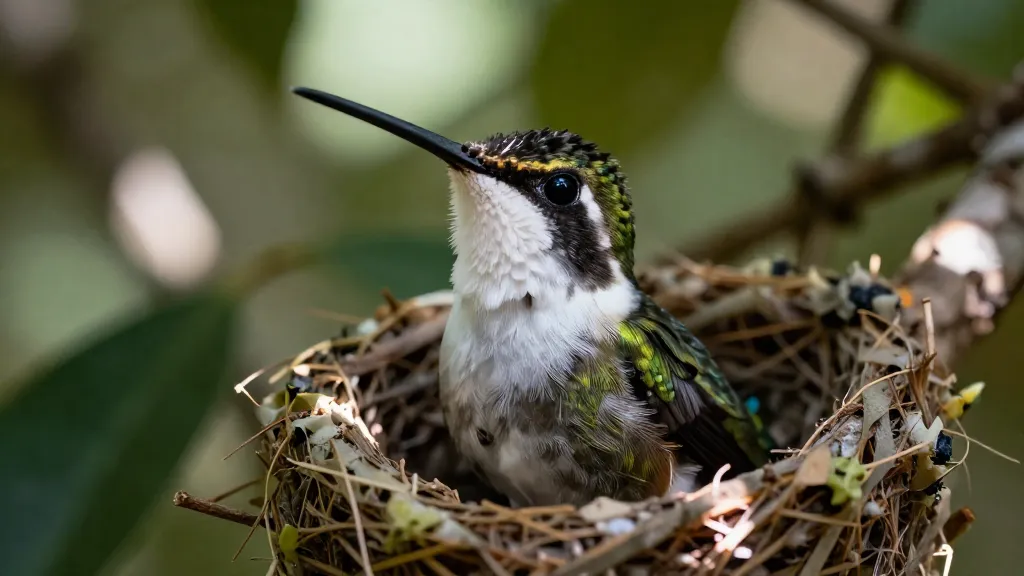
When you think of hummingbirds, you probably picture tiny, iridescent birds hovering gracefully at feeders or darting between flowers. But one baby hummingbird has scientists doing a double-take with a survival strategy so clever it seems straight out of a nature documentary thriller.
The Shocking Discovery
Researchers studying white-necked jacobin hummingbirds captured something extraordinary on video: a hummingbird chick that had mastered the art of deception. Instead of relying on speed or camouflage like most birds, this tiny creature was putting on a performance that would make any actor proud—mimicking a poisonous caterpillar to fool dangerous predators.
The footage shows the young bird exhibiting behaviors that are completely uncharacteristic for hummingbirds, effectively transforming itself into something far more threatening to potential attackers. Scientists were stunned by what they witnessed, as this type of sophisticated mimicry had never been documented in hummingbird chicks before.
A Masterclass in Survival Theater
The baby hummingbird’s performance isn’t just impressive—it’s potentially life-saving. When faced with wasps, which pose a serious threat to vulnerable chicks, the young bird doesn’t flee or freeze. Instead, it adopts the appearance and movements of a poisonous caterpillar, sending a clear message to would-be predators: “I’m not the easy meal you’re looking for.”
This behavioral mimicry represents an incredibly sophisticated survival strategy for such a young bird. The chick somehow knows to imitate one of nature’s most effective warning systems—the bright colors and distinctive movements that signal danger to predators throughout the animal kingdom.
What Makes This Discovery So Remarkable
Several factors make this finding particularly extraordinary:
- Unexpected behavior: Hummingbirds aren’t known for this type of defensive mimicry
- Sophisticated strategy: The chick demonstrates complex behavioral adaptation at a very young age
- Successful deterrent: The mimicry effectively scared away wasp predators
- Scientific surprise: Researchers studying the species had never observed this behavior before
The Science Behind the Deception
While the video evidence is compelling, scientists are still working to understand exactly how this remarkable behavior develops. Reports suggest that this type of mimicry requires the young bird to recognize both the threat posed by predators and the protective value of resembling something dangerous.
The white-necked jacobin’s caterpillar impersonation appears to be instinctive rather than learned, which raises fascinating questions about how such specific survival strategies evolve and are passed down through generations.
Why This Matters for Conservation
This discovery highlights just how much we still don’t know about the natural world, even when studying well-researched species. Observers note that such findings underscore the importance of continued wildlife research and habitat protection, as behaviors like this could be crucial for species survival in changing environments.
The fact that scientists were surprised by this behavior also demonstrates that nature continues to hold secrets waiting to be uncovered, reminding us that even the smallest creatures can possess remarkably sophisticated survival strategies.
Nature’s Ultimate Plot Twist
This tiny hummingbird’s theatrical performance serves as a powerful reminder that survival in the wild often requires more than just physical adaptations. Sometimes, it takes a little creativity—and in this case, a convincing disguise—to make it through another day.
As researchers continue to study this remarkable behavior, one thing is certain: this baby hummingbird has earned its place among nature’s most ingenious survivors, proving that sometimes the best defense is a really good offense—even if that offense involves pretending to be something you’re definitely not.